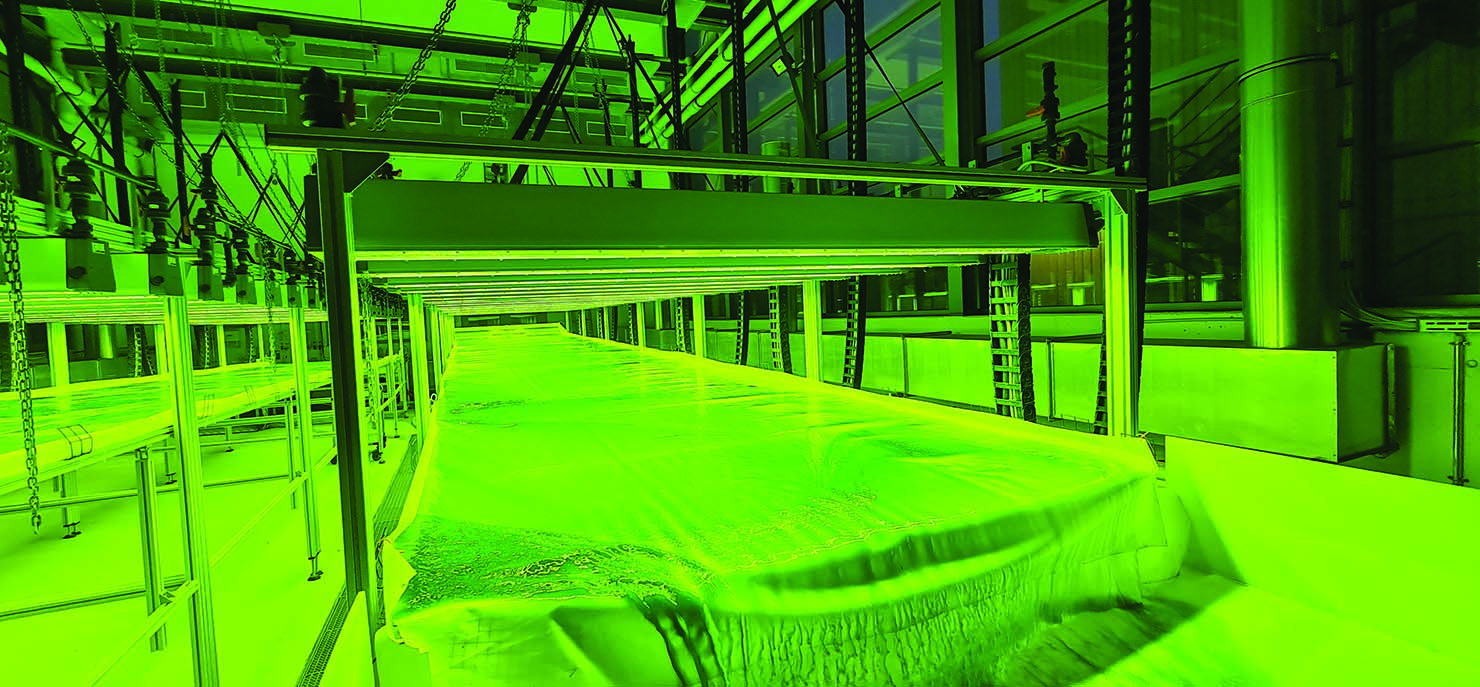

The Australian Research Council (ARC) hopes to boost Australia’s transition to a net-zero economy with the launch of NØBEL (Net-Zero Building Ecosystem Lifecycle) – an Industrial Transformation Training Centre for digital platforms led by Western Sydney University. Buildings and construction account for a substantial share of Australia’s carbon emissions. NØBEL has been established to help address this challenge by developing innovative digital technologies and platforms that make net-zero construction practical, scalable and commercially viable. NØBEL’s work spans the entire building lifecycle from design and planning, through construction and operation, to renewal, reuse and recycling. Key research includes developing technologies that transform demolished concrete into high-quality recycled building materials. Researchers are also creating advanced digital platforms that use artificial intelligence, sensors and data analytics to monitor and improve building performance throughout their lifecycle.
US food, agriculture and industrial conglomerate Cargill has doubled production capacity for its FR3 natural ester dielectric fluid at its bioindustrial facility in Dilovasi, Turkey. The investment will help Cargill respond to growing customer demand for high-performance transformer fluids that support fire safety, grid resilience and sustainability goals. Demand for reliable energy infrastructure such as transformers is increasing as artificial intelligence, data centres, renewable energy and electrification expand worldwide. The International Energy Agency projects that global electricity consumption by data centres will more than double by 2030 to approximately 945TWhr, most of which will pass through grid transformers.
The US Department of Energy’s Office of Critical Minerals and Energy Innovation has announced $500m for seven projects to expand critical mineral and material processing, battery manufacturing and recycling capacity in the US. The aim is to strengthen US domestic critical minerals and materials supply chains. The seven projects include lithium extraction in Utah, cobalt refining from a deposit in Idaho, recycling battery scrap (black mass), and the production of battery cathode, anode and electrolyte materials.
German polyurethane and polycarbonate materials manufacturer Covestro and Chinese engineering and electric/hybrid vehicle company BYD have signed a memorandum of understanding to establish a long-term strategic partnership. Under the MoU, the two companies will deepen their collaboration across new energy vehicles, power batteries, public transportation, energy storage, and new technology applications. Covestro will provide dedicated R&D resources to co-develop new material technologies, as well as support volume supply security and early access to new material innovations and customised technical support. BYD commits to proactively engaging Covestro in new projects and technology roadmaps across its entire business portfolio.
German drug discovery and development company Evotec and German DNA-protein therapeutics company Plectonic Biotech have announced a research collaboration to explore a novel immunotherapy approach for solid tumours. The collaboration addresses key challenges that have so far limited the successful application of traditional T cell engager therapies in solid tumours, by combining Plectonic’s programmable LOGIBODY technology with Evotec’s proprietary BiTco platform. Together, the two systems strengthen T cell responses, enhance tumour cell killing mediated by T cell engagers, and delay T cell exhaustion.
Solar Park Kassø is a joint venture between European Energy (EE), a Danish developer, constructor and operator of renewable energy projects across solar, wind and battery storage (51%) and Japanese investment company Mitsui (49%). It combines a 304MW solar park with a co-located e-methanol facility in Aabenraa, Denmark. The Kassø e-methanol facility was inaugurated in May 2025 and has an annual production capacity of 42,000 tonnes using renewable electricity with biogenic CO₂. EE and Mitsui have signed a multi-year agreement with Austrian oil and gas company ÖMV (Österreichische Mineralölverwaltung) to supply e-methanol for use as a land-based transportation fuel.
Swiss speciality chemical company Clariant has announced the launch of two new R&D laboratories for its additives business in China: one at the Daya Bay production site in Huizhou and the other at the One Clariant Campus (OCC) in Shanghai. The Daya Bay R&D lab is located at Clariant’s high-performance flame retardants plant in Huizhou. It will focus on the development of next-generation flame retardant products and is designed to support external collaboration with universities and innovation partners across China. The OCC R&D Lab is housed within the existing Additives Technology Center and is dedicated to the development of novel performance additives including antioxidants, light stabilisers and waxes. Its capabilities span synthesis, analytics, and a pilot-scale polycondensation facility.
German chemicals manufacturer BASF has strengthened production of acid chlorides and chloroformates (ACCF) following the modernisation of its plant in Ludwigshafen, Germany. The new ACCF infrastructure has increased production capacity by approximately 30%. Furthermore, since 2025, BASF has produced its entire Ludwigshafen portfolio of around 25 ACCF products using renewable electricity credits, including all upstream raw material processes. This transition has reduced the portfolio’s product carbon footprint by an average of 19%. BASF’s ACCF products provide essential building blocks across a wide variety of applications: customers use them in applications including pharmaceuticals, crop protection products, organic peroxides, coatings, plastics and rubber mixtures. BASF also produces ACCF at Yeosu, South Korea and is one of the world’s leading manufacturers of these products.
Italian energy company Eni and Malaysian oil and gas company Petronas have signed a feasibility agreement to evaluate the development of high-performance bio-gasoline starting from the established Ecofining technology process, through which Eni has been producing HVO (hydrotreated vegetable oil) biofuels from renewable raw materials since 2014. The aim of the agreement is to assess technical, market and sustainability profiles, as well as the performance levels of new bio-gasolines from renewable raw materials, that can be used in motorsport competitions and subsequently applied to the development of commercial products.
UK speciality chemicals company Croda has opened its new biotechnology research and development laboratories at Sci-Tech Daresbury, within the Liverpool City Region in the north west of England. The facility will serve as Croda’s global centre for biotechnology research, one of the company’s most important platforms for future growth. Products being developed at Sci-Tech Daresbury include KeraBio K31, a biotechnology-derived keratin ingredient designed to help repair damaged hair.
10/10
German pharma and biotech Bayer is beginning implementation of its ambition to bring 10 ‘blockbusters’ to market in 10 years by launching major crop science innovations driven by AI-powered research in key agricultural regions around the world. Bayer defines a ‘blockbuster’ product as one expected to deliver a peak sales potential of at least €500m. Plenexos insecticide and the Preceon Smart Corn System have already started to be commercialised. The Vyconic 1 herbicide tolerant soya bean is expected for introduction next year in the US and Canada, and Intacta 5+, a genetically modified soya bean biotechnology that combines tolerance to five different herbicides with protection against nine caterpillar species is planned for the 2027/28 growing season in Brazil.
x3
German chemicals company Evonik is investing in a new GMP drug product manufacturing facility for lipid-based drug delivery in Vancouver, Canada. The facility will triple Evonik’s current Vancouver development and manufacturing capacity.
80m
Danish pharma Novo Nordisk and UNICEF have announced a four-year expansion of their global partnership to help prevent childhood obesity, aiming to support a healthier start in life for more than 80m children across seven priority countries: Mexico, Colombia, Indonesia, the Philippines, India, Egypt and Kenya. Novo will commit $18m from 2026 to 2030 to advance evidence-based policies and prevention services.
CSIRO, Australia’s national science agency, has announced a new dual-purpose wheat variety developed to support growers to recoup losses from adverse weather events such as unseasonal heat and frost. The high-yielding Hurdle wheat variety can be used for grazing, hay or grain.
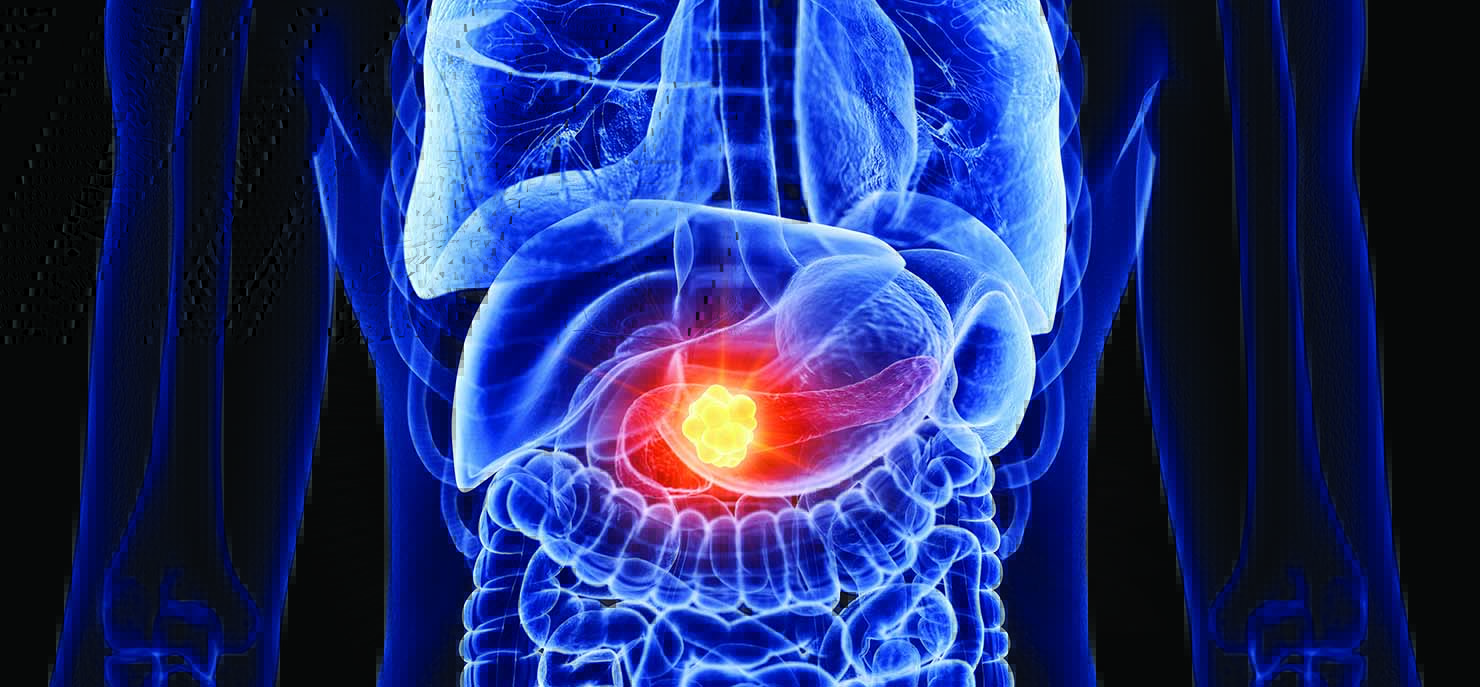
UK biopharma AstraZeneca has entered into an agreement to invest $2bn in Summit Therapeutics to accelerate the development of ivonescimab, a first-in-class bispecific antibody targeting PD-1 and VEGF, in combination with antibody drug conjugates (ADCs) across tumour types. Summit and AstraZeneca have also entered into a clinical collaboration agreement to evaluate sonesitatug vedotin (Sone-Ve) in combination with ivonescimab. Sone-Ve is a potential global first-in-class CLDN18.2-targeting ADC with a monomethyl auristatin E (MMAE) payload with several ongoing trials underway in gastrointestinal (GI) cancers. The companies intend to initiate trials in GI cancers under the collaboration imminently.
UK pharma and biotech GSK has entered an agreement to acquire a potential best-in-class trispecific T cell-engager (TCE) from Chinese biotech Chimagen Biosciences. GSK plans to develop and commercialise the asset for multiple myeloma (a type of blood cancer), with the programme expected to enter phase I trials in 2027. TCEs have shown transformational efficacy in multiple myeloma but have been associated with difficult tolerability profiles. The Chimagen trispecific asset is designed to address this by binding to T cells while simultaneously targeting two strategically selected and validated tumour-associated antigens. Multiple myeloma is the third most common blood cancer globally, with approximately 180,000 new cases diagnosed globally each year. While generally considered treatable, it is not currently curable. The US TCE market for multiple myeloma is expected to exceed $10bn by 2032.
Petrochemicals, chemicals, advanced metals and environmental technologies company Tasnee has announced the completion of construction works for the expansion of the ethylene cracker plant of the Saudi Ethylene and Polyethylene Company in Al Jubail Industrial City, in the Eastern Province of Saudi Arabia. The project aims to increase the production of olefins at the ethylene cracker plant by 18%.
A jointly-developed battery pack featuring immersion cooling fluid technology from UK oil and gas company Shell has been successfully tested on the Shell Starship 3.0 Hybrid concept truck, ready for future use in hybrid commercial vehicles from project partner Chinese manufacturer FAW TRUCKS. The new battery pack uses Shell’s electrically insulating immersion cooling fluid to surround battery cells, enabling more effective heat management than conventional battery cooling approaches. Initial vehicle validation indicates potential battery life improvement of up to 32%
US life science and clinical research company Thermo Fisher Scientific has launched the Multiskan Ease Absorbance Microplate Reader. It is designed to support protein quantification, enzyme-linked immunosorbent assays (ELISAs), cell viability studies, microbial growth monitoring and other routine applications in academic, biotechnology, pharmaceutical and quality control laboratories.
A new funding opportunity from UK Research and Innovation (UKRI) will bring together researchers and industry partners to develop transformative digital approaches that accelerate the translation of materials research into real-world applications. The Engineering and Physical Sciences Research Council (EPSRC) has announced the Digital Materials for Accelerated Innovation Sandpit through the National Materials Innovation Programme (NMIP). The residential, three-to-five-day workshop will bring together a multidisciplinary group of researchers and potential users of research outcomes. Participants will work collaboratively to explore the challenges and opportunities presented by digital materials research and develop proposals for innovative, high-impact projects. The ‘sandpit’ is expected to take place in January or February 2027.
German specialty chemicals company Lanxess has launched Purventis, a new flame-retardant platform for insulation material. The first commercial product under the platform is Purventis Core, a reactive halogen-free phosphorus flame retardant for rigid polyurethane (PU) and polyisocyanurate (PIR) insulation foams. Purventis Core addresses the growing need among polyol formulators, PU systems houses, and producers of insulation boards or spray foams, to combine fire performance, lower emissions, processing practicality and long-term regulatory resilience in PU/PIR insulation systems.
 Visit Blog