JOURNAL HIGHLIGHTS BY STEVE RANGER
Zero-Energy Cooling (ZEC) pots could be a practical way to keep eggs fresh in regions with unreliable electricity.
ZEC pots are constructed with double-layered clay walls, with moist sand in between, and operate on the principle of evaporative cooling. The evaporation of the water draws heat from the centre of the pot, lowering the internal temperature and helping to keep the contents cool.
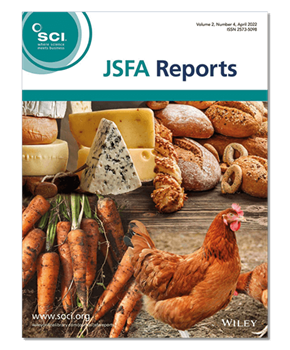
‘The ZEC pot creates an internal microclimate that is demonstrably cooler and more humid than the external environment, without requiring any energy input,’ explains the paper published in SCI’s journal JSFA Reports. It evaluated the efficacy of a ZEC pot for preserving egg quality in comparison to conventional refrigeration and ambient storage.
Once laid, eggs begin to deteriorate, which can be seen in physicochemical changes such as the thinning of the albumen, flattening of the yolk, and loss of moisture through the shell pores. Refrigerated storage is the established benchmark for preserving egg quality, as it slows these processes and inhibits microbial growth. But this is not always an option in developing countries due to unreliable electricity supplies and high operational costs.
The researchers at the CSIR-Animal Research Institute in Accra, Ghana, stored 175 fresh eggs under three conditions – ambient, refrigeration, and ZEC pot – and assessed how the storage method influenced quality degradation.
Ambient storage led to rapid deterioration, with eggs falling below the 60 Haugh unit (HU) acceptability threshold after only eight days. Both refrigeration and the ZEC pot effectively preserved quality, maintaining HU above 60 for the entire 20-day storage period. The researchers said the ZEC pot minimised cumulative weight loss even more effectively than refrigeration and ambient storage due to its cool and highly humid internal microenvironment.
While refrigeration remained the most effective method, the ZEC pot performed remarkably well, they said, significantly outperforming ambient storage in all metrics and closely matching refrigeration for key parameters like weight loss and yolk index.
‘This technology holds significant potential for reducing post-harvest losses and enhancing food security in regions with limited access to electricity,’ the researchers said.
SCI is publishing a collection of journal articles to mark World Food Day.
Maintaining egg freshness in the absence of refrigeration: The potential of zero-energy cooling pots
Thomas Ansong Agyei, Kruenti Francis, Maxwell Ansong Okai, Edmund Sottie, Gameli Kafui Apedo
JSFA Reports
doi.org/10.1002/jsf2.70057
 Visit Blog