Agrifood
Professor Richard Hopkins is the Chair of SCI's Agri-Food Hub
Food is critical in our lives as sustenance and is one of the foundations of our cultural identity. The Food and Agriculture Organisation (FAO) of the United Nations organised the first World Food Day in 1979. On 16 October every year a theme brings focus to an aspect of food security and nutrition. Food is vital to life, and the second of the 17 United Nations Sustainable Development Goals (SDGs) is to end hunger, achieve food security and improved nutrition and promote sustainable agriculture. Even beyond that, safe and sustainable food production is a cornerstone of SDGs linked to ending poverty (SDG1), good health and wellbeing (SDG3), responsible production and consumption (SDG12), climate action (SDG 13), life below water (SDG14) and life on land (SDG15).
World Food Day is a time to focus on the goal of ending world hunger, and that goal is technically within reach, with global food production being sufficient to provide a nourishing diet for everyone. Despite this, it is estimated that over 600 million people still face hunger, and over 2.5 billion people cannot afford a healthy diet. Climate change has placed further pressure on agrifood systems, with extreme weather events affecting yields and changing climate bringing new pests to many areas. Added to this are global shocks and conflicts in contributing to political and economic instability which places additional pressure on food systems, stakeholders and consumers. Farmers and growers are tackling these challenges whilst dealing with rising cost of fuel, fertilisers and other inputs, as well as labour shortages.
The theme for World Food Day 2026 is Innovate today Nourish tomorrow a theme that is close to our hearts as we work together across the Agri-Food Hub at SCI. The SCI Agri-Food Hub has members from the special interest groups in Agrisciences, Horticulture, Food, Lipids and Agri-Food Early Careers, and we all share a common interest of bringing scientific innovation from research into application and real impact for society. Despite agricultural yields being at historical highs, we are forced to reflect on the truth that millions of people still suffer from chronic hunger and malnutrition. Opportunities exist along the whole value chain from improving plant growth and resilience and minimising losses to pests and disease, right through to enhancing the nutritional quality of our foods and extending the shelf life of products to minimise food losses and waste. Research and education in these areas needs a coordinated and sustained effort.
Innovation is key to transform the whole food value chain, from how food is produced, stored, processed, transported and marketed. The exciting progress being made in research needs to be combined with the knowledge and experience of all the stakeholders in the value chain including the end consumers so that practical solutions are delivered. Policymakers must be engaged to act and support the transformation of our Agri-Food systems. This change requires knowledge, education and collective action.
Food must be produced whilst protecting agricultural soils, supporting biodiversity and increasing the efficiency and sustainability of production. All this, whilst reducing the reliance on fossil fuels for tillage and fertilisers and minimising the carbon footprint of agriculture and the demand for land, water and nutrients. New technologies are being developed and implemented that provide real solutions, from precision breeding of more resilient crops to automation in the greenhouse and field, effective use of data, imaging and AI, invention of more targeted chemical and biological products, detailed understanding and promotion of soil health and biodiversity and innovation in food processing and manufacturing.
SCI has a long and rich history of supporting such innovation in Agri-Food.
Our organisation and its many members remain at the forefront of tackling sustainability challenges and developing new opportunities. SCI publishes some of the leading journals in Agri-Food highlighting fundamental research and applied science, as well as leading opinion via articles in C&I magazine and online. SCI connects with industry via an active network of leading corporate partners and brings them together with academia and policymakers in scientific meetings and events organised by our expert special interest groups. At the same time, SCI is helping to nurture and develop the next generation of early career scientific innovators and build connections across our growing network. The linked examples highlight just some of the areas where SCI and its partners are having a real impact. Join us in our mission.
Innovate today to Nourish tomorrow. Challenge Accepted.
From Crop to Consumer: Innovations for a Sustainable Food Future
World Food Day 2026 | SCI® Corporate Partnership featuring Syngenta
16 October 2026 |
|


 |
|

Health & Wellbeing
The 42nd SCI Process Development Symposium on 15-17 April 2026 brings together speakers from the Pharmaceutical, Agrochemical and Fine Chemical industries, as well as academics in these areas, to present innovations in the scale up of new synthetic processes.
Ahead of the event we asked speakers Dr Michael Luescher, Process R&D Chemist at Novartis and Dr David Thaisrivongs, Director of Process Research and Development at MSD a couple of questions on the state of process development and chemistry in general.
MC: Where do you think the biggest challenges are in your field in the next 20 years?
DT: ‘The complexity and diversity of molecules being discovered and commercialized in the biopharmaceutical industry continues to increase, and each one brings new and complex process development problems to solve. What was once a field largely comprised of small organic molecules, antibodies, and vaccines is now one filled with new modalities, including synthetic peptides, antibody-drug conjugates, protein degraders, nucleic acids, and cell and gene therapies. These new frontiers present novel challenges to inspire process development scientists to invent and develop new methods for their production to enable broad access to these molecules to improve and extend the lives of patients worldwide.’
MC: Where do you see the most exciting advances being made in the next 20 years in your field?
DT: ‘Developments in biocatalysis over the last 20 years are now leading a revolution in chemistry. What was once an experimental idea has become an essential synthetic technology to enable manufacturing processes that significantly improve the efficiency and sustainability of more traditional chemical methods. Yet despite extraordinary advances in the application of enzymatic catalysis to solve problems in chemistry, especially the simultaneous use of multiple biocatalysts to perform different synthetic functions as Nature does, we as a field have only scratched the surface of the kinds of molecules whose manufacture will be enabled by biocatalysis.’
MC: What one piece of advice would you have for a new PhD/postdoc/PI starting today?
ML: ‘Stay curious, keep an open mind, and don’t limit your focus to your own specialty. Science doesn’t live in a single discipline—it's woven into society and the broader world around us. Meaningful breakthroughs often emerge when diverse ideas and perspectives come together. Collaboration and inclusion aren’t just ideals; they’re powerful drivers of innovation, something I had the privilege to experience firsthand at Novartis.’
How we can face these challenges, embrace the opportunities, and work across disciplines to drive innovation in process development will be discussed in much more detail at the symposium.
19 March 2026 |
|
|
Health & Wellbeing
How we cracked the code for hunger
A world where hunger can be dialled down, with medications that alter the desire for food, sounds like something from a science fiction novel. However, GLP-1 therapies, which mimic or enhance the action of the hormone GLP-1, are very much real, and their prominence and effectiveness raises significant questions for society. Is this a medical marvel, a social experiment, or an evolutionary step forward?
What are GLP-1 therapies?
GLP-1 therapies tap into the body’s own biology to regulate hunger, blood sugar, and energy use. The GLP-1 hormone coordinates how the brain, pancreas, stomach, and broader metabolism respond to food – it is one of the signals that makes you feel that you have had enough to eat. These therapies reduce appetite and cravings by acting on the brain, make the stomach empty food more slowly, and improve glucose regulation by stimulating insulin release and suppressing glucagon.
Earlier weight-loss drugs worked by increasing metabolism, suppressing appetite crudely, or affecting mood and alertness. Many came with serious side effects. The physiology of GLP-1 therapies is well understood, and have enabled consistent, sustained weight loss in clinical trials. These results, as well as celebrity use and popular trends, have brought these therapies into the forefront of public consciousness.
Rewiring appetite, behaviour, and identity
These isn’t just about obesity. These drugs alter appetite, impulses, and our relationships with food. They challenge how we think about motivation, and responsibility.
Furthermore, there are broader social and ethical questions. Who stands to benefit from these therapies? What does this mean for children, adolescents, or older adults? What is the role of social media networks in influencing the up-take of these therapies?
Learn more
Accomplished endocrinologist Dr Emran Ghaffar Khan will explore this intriguing topic in his upcoming SCI talk, “Hacking the brain’s hunger code: Miracle, menace, or the next stage of human evolution?”. You can join the conversation and sign up for the talk here: Hacking the brain’s hunger code: Miracle, menace, or the next stage of human evolution?
16 March 2026 |
|
|
Science & Innovation
Six teams have made it to the exciting final of this year’s Bright SCIdea Challenge.
The Bright SCIdea Challenge sees university students develop an innovative science-based idea into a business plan - and then to compete for a £5,000 prize.
SCI supports entrants during the competition by delivering free, exclusive training, and the teams with the strongest business plan are invited to deliver their pitch to an expert panel of experienced, successful senior business people and innovators.
The first Bright SCIdea challenge took place in March 2018 and since then the competition has seen winners go on to launch companies, raise significant funding and take their products to market.
This year’s final - the seventh instalment of SCI’s annual entrepreneurship competition - takes place at SCI’s headquarters on March 17.
Here are the 2026 Bright SCIdea Challenge finalists:
Ascenx
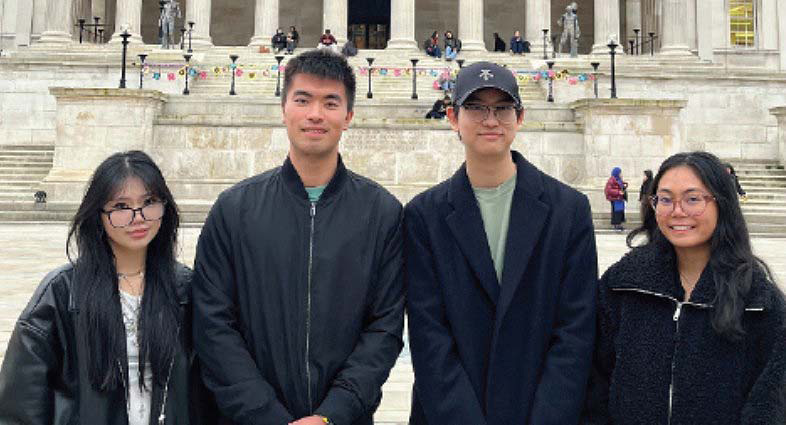
Sophie Siu, William Wang, Justin Wong and Gwen Rico
Where are they from?
University College London
Why did they enter the Bright SCIdea Challenge 2026?
“As second year chemistry students we were keen to apply our theoretical knowledge to a viable business idea under the guidance of industry experts in a fun and dynamic setting. Our entry was catalysed by reading a paper by Kaifeng Wang and Case M. van Genuchten which discussed a novel process of retrieving arsenic from wastewater sludge. We were fascinated by the chemistry and its dual potential of ensuring clean drinking water whilst supplying a sustainable arsenic source. The opportunity to contribute to a meaningful global impact strongly aligned with our humanitarian values and motivated us to participate.”
AvennaX
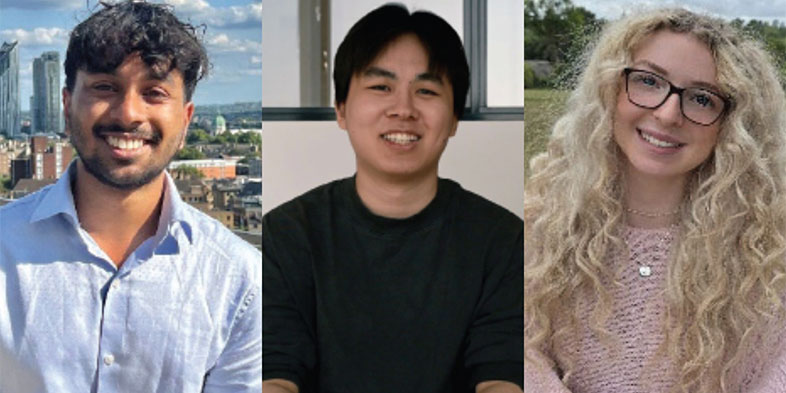
Josh Das, Peilin Chen and Tara Hudson-Ballard
Where are they from?
Imperial College London
Why did they enter the Bright SCIdea Challenge 2026?
“We entered the BrightSCIdea challenge to accelerate the commercial scaling of AlphaSuite, build a network of other scientific innovators, and gain mentorship from experts. This competiton offers the opportunity to develop our roadmap for market entry, ensuring our innovation is positioned for long term growth. Winning would provide the foundational funding for us to scale our technical infrastructure and secure our IP, and the insights gained from this experience will help us turn our innovation into a successful venture truly valuable to the global research and healthcare community.”
CheGo
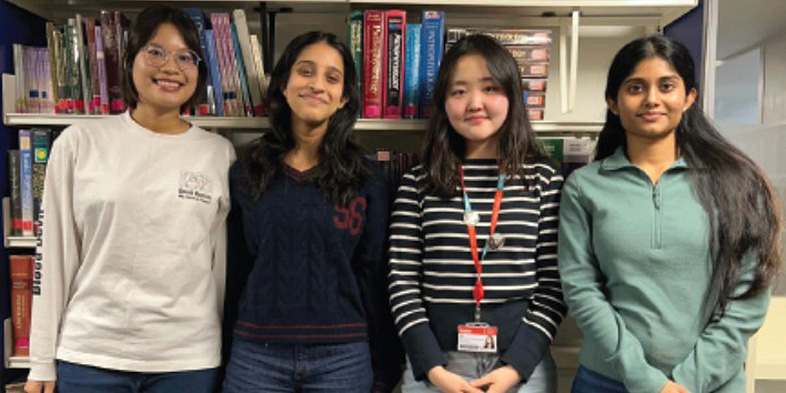
Cheyenne Gracias, Chayanit Panjak, Hita Dunukunala and Yunseo Lee
Where are they from?
Kings College London
Why did they enter the Bright SCIdea Challenge 2026?
“Having previously won a hackathon, our team believes real impact comes from bringing solutions to industry which is why BrightSCIdea felt like the right next step. Our inspiration came from a teammate's mother, an experienced ICU nurse, who described how suctioning can cause bleeding and stress for patients and nurses. This sparked our add-on sensor system that transforms standard closed suction catheters into precision-guided medical devices, reducing complications in intensive care. Beyond technical skills, we recognised the need for commercialisation expertise. This competition offers industry feedback, workshops, and funding to develop our prototype into a real product.”
MediKeto
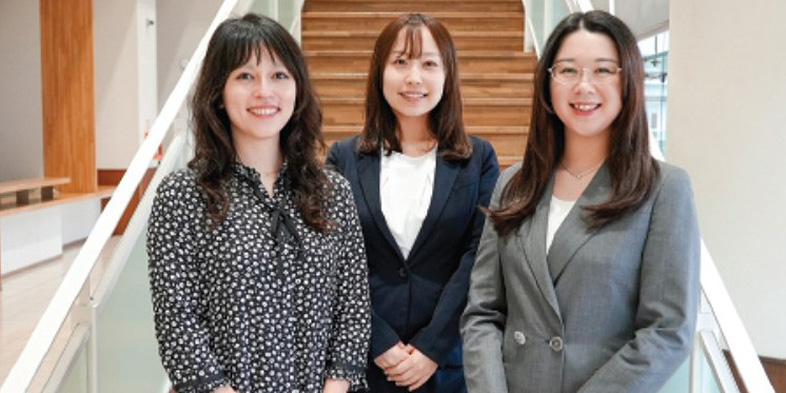
Nano Kojima, Yuri Fujikura and Eleina Hames
Where are they from?
Institute of Science Tokyo
Why did they enter the Bright SCIdea Challenge 2026?
“The ketogenic diet is a highly evidence-based treatment for drug-resistant epilepsy, yet it remains underutilised because of the daily management burden. We built MediKeto to change that.
"As an early-stage team bridging medicine and engineering, the Bright SCIdea Challenge offers something distinct: international validation, critical feedback and support from industry experts, and funding that would directly accelerate our pathway from healthcare app to SaMD. We are determined to refine our concept and empower patients and families who need it most, ultimately boosting treatment adherence and unlocking a better quality of life.”
Napré

Nwachukwu Christiana Okonkwo, Kosisochukwu Judith Offojebe, Ikwuezuma Elochukwu Reynolds and Ekeomodi Chikodi Christabel
Where are they from?
Newcastle University, McGill University, Nnamdi Azikiwe University and Stellenbosch University
Why did they enter the Bright SCIdea Challenge 2026?
“Our participation in Bright SCIdea challenge was driven by our identification of a critical gap in the manufacturing industry: while billions are spent producing drug and food products, the adverse effects of the preservatives used in these products have been largely neglected. We saw an opportunity to change the status quo and create a paradigm shift to safer preservatives while protecting the environment - through the valorisation of agricultural waste. Bright SCIdea offers us an opportunity to connect with visionary partners who share our goal: to disrupt a dysfunctional market with innovative solutions that promote well-being without sacrificing commercial value.”
QROOT — Quantum Reactive Optical Observation of Terrain

Gergo Meszaros, Hassan Raza Khan and Kaden Ethan Tan
Where are they from?
University of Toronto and Brown University
Why did they enter the Bright SCIdea Challenge 2026?
“Uncertainty. Corporations cannot always predict crop yields or the best interventions. Farmers cannot know whether fields will suffer from disease or deplete prior to the first harvest—yet they plant, nurture, and persevere anyway. If they can act despite uncertainty, why shouldn't we? The practicality of scaling a business, of turning innovation into impact, and reaching those who need it most was unknown to us—but because they try, we must too. With BrightSCIdea we have our expertise, the guidance of industry experts, and the network to bring QROOT to life, that is why we are here.”
16 March 2026 |
|
|
Careers
Following her insightful SCItalk on Diversity, Equality and Inclusion, Ijeoma Uchegbu, Chair in Pharmaceutical Nanoscience at UCL's School of Pharmacy speaks with Darcy Phillips.
Tell us about your career path to date.
I trained as a pharmacist and then did a PhD at the School of Pharmacy on drug delivery using nanosystems. After about two years of postdoctoral scientist work, I was appointed to a lectureship at the University of Strathclyde in Glasgow. After five and a half years, I was appointed to a professorship in 2002. I then joined the School of Pharmacy as a Professor of Pharmaceutical Nanoscience in 2006 and UCL in 2012.
My work has focused on understanding how drug transport may be controlled in vivo using nanoscience approaches. I co-founded Nanomerics Ltd. with my long-term collaborator – Professor Andreas G. Schätzlein – and next year will see Nanomerics take the technologies developed in academia into clinical testing. This is a huge milestone for our small company and for us personally. I liken this milestone to sending your only child off into the big wide world, and so we are understandably nervous and excited in equal measure!
Science was a refuge for me as I moved countries as a teenager – from London, the city of my birth, to a small town in Nigeria called Owerri. Science subjects were the only subjects that were common on the secondary school curricula of both countries. I really had no other option. I fell in love with science because it was familiar.
Which aspects of your work motivate you the most?
The joy of discovery really gives one a high and this is what I enjoy the most. Validation of one’s discoveries by other members of the scientific community cements the high and when one’s ideas are evidenced first by experimentation and then appreciated by one’s peers, there is no other feeling in the world quite like it.
What has been your proudest achievement?
Getting my professorship so soon after my appointment to a lectureship at the University of Strathclyde is up there with the greatest moments of my career, as is bringing up my daughters at the same time. Oh dear – there are far too many moments to mention, to be honest! Every day I don’t get a rejected paper or grant is really a proud day. Rejections are 90% of a scientist’s life.
You spoke recently at our SCItalk on diversity, equality and inclusion and the importance of data. Could you give us a summary on why this is so important?
To produce good quality science outputs with the maximum impact we need a variety of individuals asking and answering the most profound of research questions. We need more data on diseases and conditions that affect women and more data on the genomics affecting the global southern majority. We need answers to the pressing questions on health outcomes in the poorest in our UK society. Well, you get the picture. We need high quality data on these largely forgotten issues.
What do you think are the next key steps to making STEM more diverse and inclusive?
We first need to recognise that a problem exists. This is the first step. The data on underrepresentation needs to be at the forefront of our thinking when we are making decisions. We need funders to acknowledge the deficit in the current ways of doing things and then commit to act appropriately. The oddest thing about a skewed and unequal system is that we all lose out when there are entrenched inequalities. Even those that think that they are gaining from the current system are not.
30 November 2023 |
|
|
Careers
We catch up with Zoë Henley, a Medicinal Chemistry Lead at GSK and recent recipient of a Rising Star Award in the category of Science & Engineering
Tell us about your career path to date.
Growing up, I loved science and have early memories of playing with my beloved chemistry set. However, it wasn’t until my A-levels that I knew I wanted to study chemistry at university. I had an inspiring chemistry teacher who supported me to apply, and I ultimately gained a first-class MSci chemistry degree from the University of Bristol.
I joined GSK as an Associate Scientist in 2006 and in my early career I was focused on identifying new molecules to treat respiratory diseases. As a chemist, I use my synthetic and medicinal chemistry skills to identify potential drug candidates, one of which reached Phase 2 clinical trials in patients for the treatment of Chronic Obstructive Pulmonary Disease, which is a life-threatening lung condition with no current cure. I have also led discovery efforts on early-phase research projects to validate the exact role a potential therapeutic target plays in a disease, which is critical for initiating a drug discovery programme.
Through my work, I developed deep technical skills in inhaled drug design and was appointed chair of a technical network for inhaled drug discovery programmes within GSK.
Alongside my work in the laboratory, I also developed my technology skills to become the lead user in Europe for drug compound design and data analysis software.
I was promoted to a Scientific Investigator in 2013 and achieved my PhD in 2014, through a collaborative programme between GSK and the University of Strathclyde. In September 2021, I was promoted to Team Leader.
Over the period I have been a team leader, I have supported 12 scientists and have had the opportunity to mentor graduate chemists and supervise one-year industrial placement students. I am currently a project Medicinal Chemistry Lead and have three direct reports who I support in their professional and scientific development at GSK.
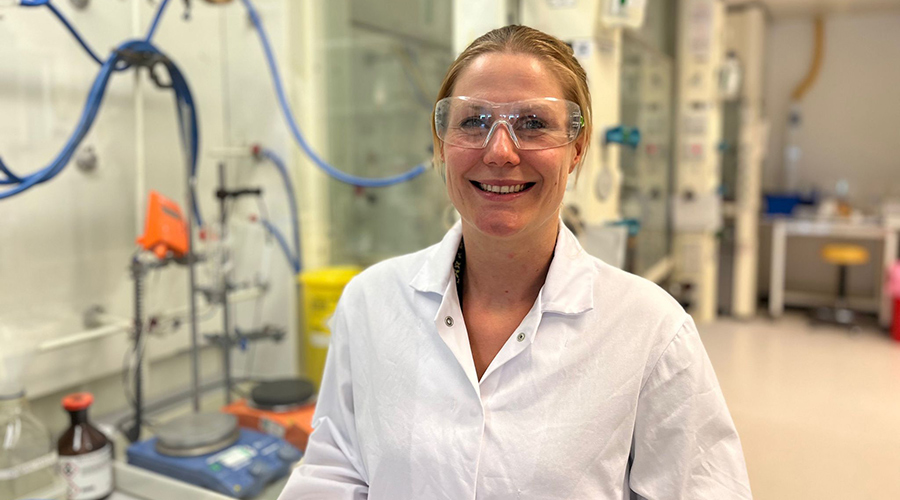
‘I am passionate about science and the job that I do, and am committed to being an advocate for female leaders in chemistry.’ Image: Zoë Henley
Which aspects of your work motivate you the most?
I find the job of a medicinal chemist fascinating and highly rewarding. As a chemist, I have the opportunity to make the molecule that becomes a medicine to help patients, and this is my greatest motivation. Medicinal chemistry is a fast-paced, constantly evolving field that requires diverse skill sets. I find it refreshing to work within a diverse team, in particular working internationally across our global organisation, where I have had experience of working with colleagues across scientific disciplines and from different cultures and backgrounds who bring varied perspectives.
You were recently recognised with a Rising Star Award in the category of Science & Engineering, do you have any advice for anyone starting out their career in this field?
I am passionate about science and the job that I do, and am committed to being an advocate for female leaders in chemistry. For those starting out in this field, I would encourage them to follow their hearts and make well-informed career and personal choices to fulfil their dreams. Whenever I have had decisions to make, I have relied on close friends and mentors for advice, and I would encourage others to identify role models and seek their mentorship. I would also advise pursuing anything you feel passionate about. This might mean, for example, developing a new skill or gaining deeper expertise.
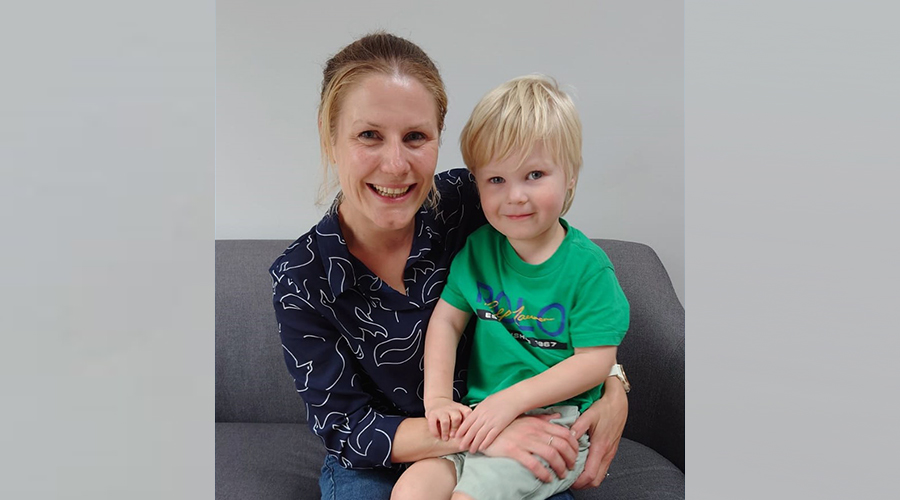
‘GSK as an organisation is highly supportive of flexible working, and within my own department I have continually had support for my professional development, in particular when I returned to work after one year maternity leave.’ Image: Zoë Henley
You’ve been working at GSK for a number of years now – can you tell us a bit more about how they’ve supported you in your career and allowed you to balance this with family life?
Throughout my career at GSK I have had so many opportunities to develop professionally and personally. Alongside continuously developing my technical skills, I have been able to carry out a PhD whilst still a full-time employee of GSK, participated in STEM outreach activities, had supervisory responsibility for both GSK employees and PhD students on collaborative projects, and I have been asked to take leadership roles in many different settings.
In 2019, I became mum to my son Sam, and I have since progressed my career whilst working part-time. I had very few female role models until I came to GSK, where the number of female chemists is high and there were many who had families and successful careers, which gave me confidence that I could have the same.
GSK as an organisation is highly supportive of flexible working, and within my own department I have continually had support for my professional development, in particular when I returned to work after one year maternity leave. My manager was highly supportive of my continued trajectory towards taking a leadership role and supported me in applying for a Deep Dive Career Programme at GSK, which is a competitive programme for future leaders who want to actively shape their career journey.
The programme allowed me to set out a detailed personal development plan and helped to expand my network. The leaders of my department also offered me managerial responsibilities, and this ultimately empowered me to apply for and achieve a Team Leader position.
I have a successful career/family life and aim to give other chemists the confidence that they can achieve the same.
If you'd like to hear more from inspiring female scientists like Zoë take a look at our upcoming SCItalk on Wednesday 27 September: Women in STEM: Better Science and a Better Workplace for Everyone.
13 September 2023 |
|
|
Careers
Are you interested in pharmaceutical R&D? Which PhD skills are particularly useful in industry? We asked James Douglas, Director of Global High-Throughput Experimentation at AstraZeneca.
Tell us about your career path to date.
I currently have two roles, firstly as Director of Global High-Throughput Experimentation (HTE) within R&D at the pharmaceutical company AstraZeneca. I also work one day a week as a Royal Society Entrepreneur in Residence at the Department of Chemistry in the University of Manchester. Both roles involve developing and applying methods and technology in chemical synthesis to facilitate the drug discovery, development, and manufacturing processes.
My journey to these roles began with a chemistry degree and a passion for running chemistry experiments in the laboratory. At the end of my undergraduate MChem degree at the University of York, I spent an amazing placement year at the pharmaceutical company GlaxoSmithKline, working in drug development. I then went on to do a PhD at the University of St Andrews and postdoctoral research in the USA, both of which focused on developing new methods for synthesis.
My PhD was in collaboration with AstraZeneca and my postdoc was with the pharmaceutical company Eli Lilly, so I knew a lot about medicines R&D and wanted to start a permanent career in that industry.
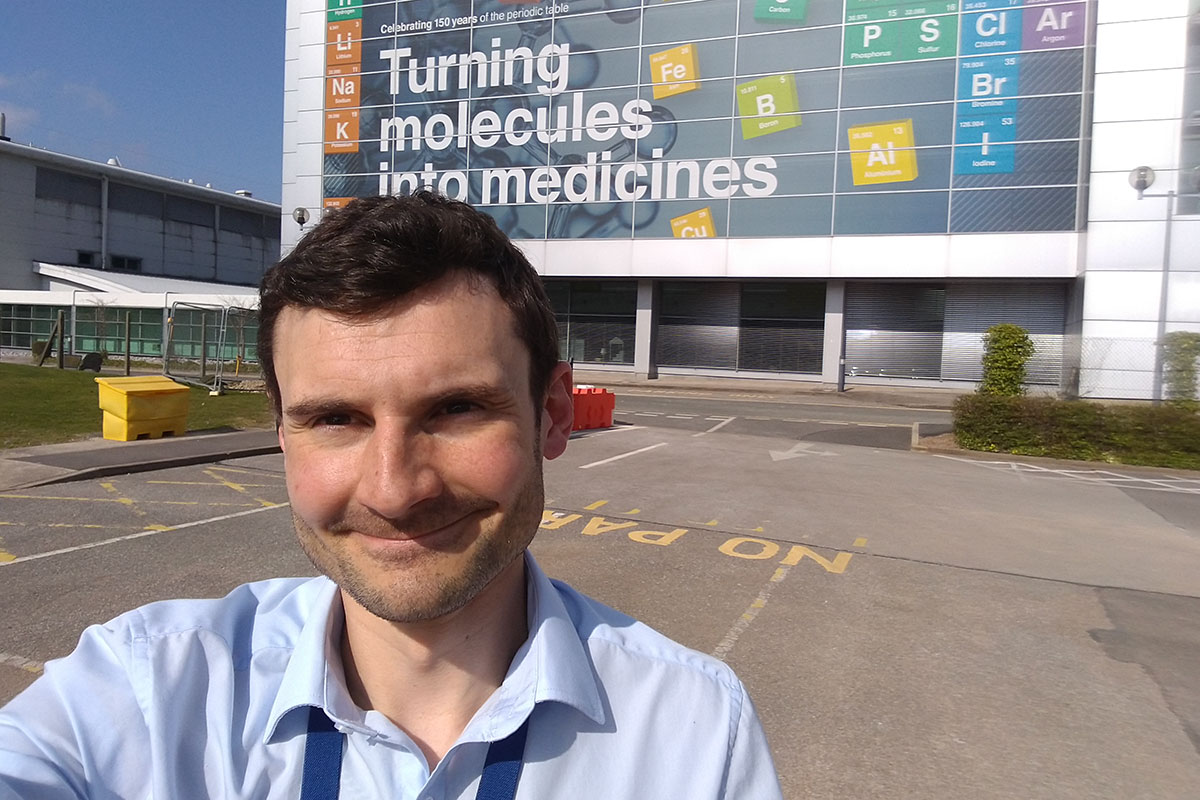
Pictured above: James Douglas
When did you start working for AstraZeneca?
I started at AstraZeneca in 2015. Initially, I spent most of my time working in the laboratory, supporting drug projects across a range of therapy areas such as oncology, heart disease and respiratory treatment. Since then, I have gradually spent less time in the lab across multiple roles and more time working with – and leading wider teams – with a more company-wide focus.
I have remained closely linked to academic research and universities through collaborative projects. This ultimately led me to the Entrepreneur in Residence role where I am accelerating the translation of chemistry innovation from academia to industry, as well as helping provide students and researchers skills and networks relevant to careers in industry.
What is a typical day like in your job?
I spend about two days a week on site at AstraZeneca in Macclesfield and two working from home. As my main job is office based I can also work from home very easily. It has been this way for me since the start of the pandemic. I missed the general atmosphere of a busy workplace but this period coincided with the birth of my daughter, so I feel lucky to have been able to see a lot more of her growing up than I would have otherwise.
I work with many scientists across the company, not just in Macclesfield, such as in Cambridge (UK), Boston, and Gothenburg, so virtual meetings and calls are a big part of my day. When I’m on site, I prioritise face-to face meetings and discussion with the scientists in the laboratory. Very occasionally I get the chance to run some experiments myself, which I really enjoy.
Since 2022, I have spent Fridays within the Department of Chemistry at the University of Manchester. I talk to academics and PhD students about how their research could be applied in industry, discuss current projects, and think up new ones. I’m also preparing a lecture course and organising careers and networking events to prepare students with skills that are important for careers in industry.
Which aspects of your job do you enjoy the most?
I still get the most excited when faced with the challenge of solving difficult scientific problems. This has changed during my career from working individually in the lab, on relatively clear problems during my PhD, to now being part of much larger teams trying to solve highly complex longer term challenges.
Chemistry is always advancing but so are the standards that we must push towards in drug development – for example, finding ways to shorten the time taken to bring new treatments to patients, while at the same time significantly reducing the environmental impact. That’s a daunting – but exciting – opportunity for synthetic chemists like me.
Most of all, even though the timelines are longer on the projects I work on now, there are moments of short-term success that are exciting. This could be an experimental result from the team that opens up a new possibility, or provides important insight into how best to proceed.
>> Side projects can make large waves. Dr Claire McMullin shares the insights from her journey.
What is the most challenging part of your job?
I miss being able to dedicate my time to experimental work and really understanding a problem in detail. I have spent much of my career investing the large amount of time it takes to understand a problem and think about solutions. Unfortunately, that’s no longer the case and not my main responsibility, but I still find this hard to accept!
I miss the level of detail and discussion I once had and find it a challenge not to spend all my time in the laboratory bothering all the brilliant scientists with questions about what they are doing.
How do you use the skills you obtained during your degree in your job?
Most directly, my degree gave me great general skills in chemistry, ranging from practical experimental techniques to chemical analysis and fundamental principles such as kinetics. These were the basis on which I built more specialised skills in organic synthesis during my PhD and postdoc, all of which are crucial for my career so far.
There are also lots of skills I developed that I didn’t appreciate at the time, such as time management, the ability to think independently, organisation, and teamwork. Like many others, my PhD and postdoc also taught me important lessons about resilience and perseverance.
What advice would you give others interested in pursuing a similar career path?
It’s not advice, but what worked for me was to do what I am passionate about. Don’t worry if it takes a while to work out what that exactly is. I decided to do a chemistry degree mostly because I thought I would enjoy the practical experimental side, which I did and still do. It was only during my final year placement at the pharmaceutical company GSK that I decided to do a PhD so I could learn new areas of chemistry.
Finally, it was only during my postdoc that I decided to try and solve the challenges faced with drug development in industry, rather than the more fundamental undertaken as a research group leader in academia.
I’m still finding out what things interest me and these interests keep changing. That’s the joy of disciplines like chemistry and drug development – there is always so much more to learn and challenges to overcome.
03 April 2023 |
|
|
Health & Wellbeing
What effect do vaping and air pollution have on your heart, and how could a light-powered pacemaker improve cardiovascular health?
It seems that every day, scientists are learning more about the factors affecting cardiovascular health and are coming up with novel ways to keep our hearts ticking for longer. Here are three interesting recent developments.
A less painful pacemaker
One of the problems with existing pacemakers is that they are implanted into the heart with one or two points of connection (using screws or hooks). According to University of Arizona researchers, when these devices detect a dangerous irregularity they send an electrical shock through the whole heart to regulate its beat.
These researchers believe their battery-free, light-powered pacemaker could improve the quality of life of heart disease patients through the increased precision of their device.
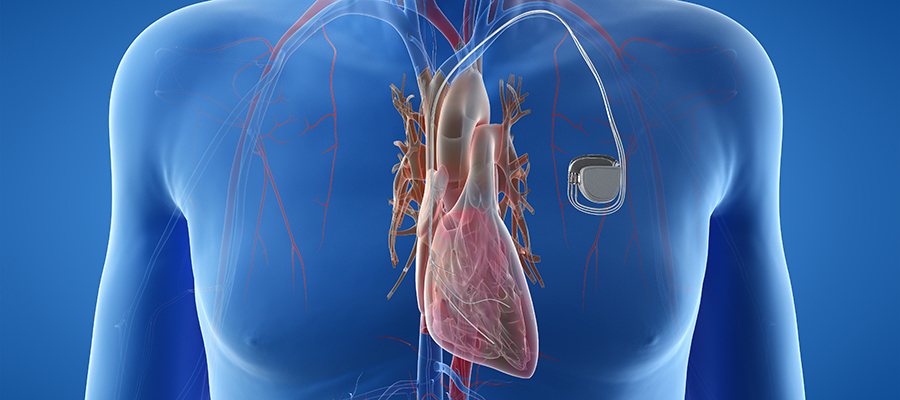
The way existing pacemakers work can be quite painful for heart disease patients.
Their pacemaker comprises a petal-like structure made from a thin flexible film (that contains light sources) and a recording electrode. Like the petals of a flower closing up at night, this mesh pacemaker envelops the heart to provide many points of contact.
The device also uses optogenetics – a biological technique to control the activity of cells using light. The researchers say this helps to control the heart far more precisely and bypass pain receptors.
‘Right now, we have to shock the whole heart to do this, [but] these new devices can do much more precise targeting, making defibrillation both more effective and less painful,’ said Igor Efimov, professor of biomedical engineering and medicine at Northwestern University.
‘Current pacemakers record basically a simple threshold, and they will tell you,’ added Philipp Gutruf, lead researcher and biomedical engineering assistant professor. ‘This is going into arrhythmia, now shock, but this device has a computer on board where you can input different algorithms that allow you to pace in a more sophisticated way.’
Another potential benefit is that the light-powered device could negate the need for battery replacement, which is done every five to seven years. That use of light to affect the heart rather than electrical signals could also mean less interference with the device’s recording capabilities and a more complete picture of cardiac episodes.

The device uses light and a technique called optogenetics, which modifies cells that are sensitive to light, then uses light to affect the behavior of those cells. Image by Philipp Gutruff.
>> See how Bright SCIdea winner Cardiatec uses AI to improve heart disease treatment.
The danger of vaping?
We don’t know a lot about the long-term effects of vaping because people simply haven’t been doing it long enough, but a recent study from the University of Wisconsin (UW) suggests that it could be bad for the heart.
Researchers selected a group of people who had used nicotine delivery devices for 4.1 years on average, those who smoked cigarettes for 23 years on average, and non-smokers and compared how their hearts behaved after smoking (the first two groups) and after exercise.
The researchers noticed differences minutes after the first two groups smoked or vaped. ‘Immediately after vaping or smoking, there were worrisome changes in blood pressure, heart rate, heart rate variability and blood vessel tone (constriction),’ said lead study author Matthew Tattersall, an assistant professor of medicine at the University of Wisconsin School of Medicine and Public Health.

The lack of long-term data means we still don’t know the effect of vaping.
Those who vaped also performed worse on the four exercise parameters compared to those who hadn’t used nicotine. Perhaps the most startling finding was the post-exercise response of those who had vaped for just four years compared to those who had smoked tobacco for 23 years.
‘The exercise performance of those who vaped was not significantly different from people who used combustible cigarettes, even though they had vaped for fewer years than the people who smoked and were much younger,’ said Christina Hughey, fellow in cardiovascular medicine at UW Health, the integrated health systems of the University of Wisconsin-Madison.
The influence of lead and air pollution
We know that smoking and passive-smoking are bad for our hearts, but some overlook the effect of other environmental toxins, especially those common to specific geographical regions.
A collaborative study including US and UK researchers has found a divergence in the types of environmental contaminants that contribute to cardiovascular ailments in both countries, aside from the prevalent smoking-related heart disease.

Hopefully, the growth in electric vehicle use will reduce air pollution
The study found that lead-related poisoning is more common in the US, whereas air pollution has a more damaging effect in the UK due mainly to increased population density. The researchers found that 6.5% of cardiovascular deaths were associated with exposure to particulate matter over the past 30 years compared to 5% in the US.
The one plus is that research has found that there has been a steady decline in cardiovascular deaths stemming from lead, smoking, secondhand smoke and air pollution over the past 30 years. Nevertheless, it will be of little comfort to those walking in the trail of exhaust fumes in cities.
‘More research on how environmental risk factors impact our daily lives is needed to help policymakers, public health experts, and communities see the big picture,’ said lead author Anoop Titus, a third-year internal medicine resident at St. Vincent Hospital in Worcester, Massachusetts.
14 December 2022 |
|
|
Science & Innovation
Rarely have science and government been as clearly linked as the initial response to the Covid-19 pandemic, when politicians could be heard claiming they were being ‘led by the science’ as often as they could be seen doing that pointing-with-a-thumb-and-fist thing.
This Thursday, the UK’s Chief Scientific Adviser, Sir Patrick Vallance, will receive the Lister Medal for his leadership during the Covid-19 pandemic, and you can stream it live here, exclusively on SCI’s YouTube channel!
In readiness for Sir Patrick’s lecture, Eoin Redahan looks back at three ways science helped to mitigate the spread of Covid-19.
People will never look at vaccine development the same way. For good or ill, we have realised just how quickly they can now be developed. Similarly, we have realised what can be achieved when the brightest brains come together. These are two of the positive legacies from Covid.
But there are others. Some of the innovations conceived to tackle Covid will now tackle other pathogens. Here are just three of the innovations that emerged…
1. Wastewater warning

As Oscar Wilde once said: ‘We are all in the gutter, but some of us are looking up at the genetic material in stool samples.’
Not many people would find inspiration in wastewater treatment plants when thinking about early warning systems for infectious diseases.
Nevertheless, during the Covid-19 pandemic, researchers at TU Darmstadt in Germany came up with a system that detected Covid infection rates in the general population by analysing their waste – a system so accurate they could detect the presence of Covid among those without recognisable symptoms.
To do this, they examined the genetic material in samples from Frankfurt’s wastewater plants and tested them using the PCR test. They claim that their measurement was so sensitive it could detect fewer than 10 confirmed Covid-19 cases per 100,000 people.
It is inevitable that Covid-19 variants will rise again, but this system could alert us to the need for tighter protective measures as soon as the virus appears in our wastewater.
2. UV air treatment

UV light can reportedly reduce indoor airborne microbes by 98%.
Warning systems are important, as are ways to stop the spread of pathogens. To do this, a team from the UK and US shed light on the problem – well, they used ultraviolet light to remove the pathogens.
Using funding from the UK Health Security Agency, Columbia University researchers discovered that far-UVC light from lights installed in the ceiling almost eliminate the indoor transmission of airborne diseases such as Covid-19 and influenza.
The researchers claim it took less than five minutes for their germicidal UV light to reduce indoor airborne microbe levels by more than 98% – and it does the job as long as the light remains switched on.
‘Far-UVC rapidly reduces the amount of active microbes in the indoor air to almost zero, making indoor air essentially as safe as outdoor air,’ said study co-author David Brenner, director of the Center for Radiological Research at Columbia University Vagelos College of Physicians and Surgeons. ‘Using this technology in locations where people gather together indoors could prevent the next potential pandemic.’
3. Biological masks?
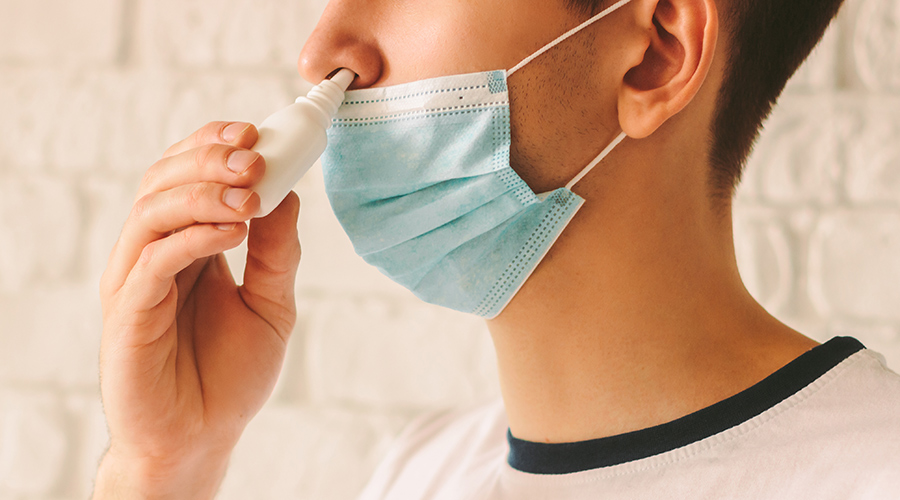
‘Physical mask, meet biological mask.’
Many moons ago, it was strange to see a person wearing a mask, even in cities with dubious air quality. Now, they are ubiquitous, and it would appear that mask innovations are everywhere too.
During Covid, researchers from the University of Granada in Spain were aware that wearing masks for a long time could be bad for our health. They devised a near field communication tag for inside our FFP2 masks to monitor CO2 rebreathing. This batteryless, opto-chemical sensor communicates with the wearer’s phone, telling them when CO2 levels are too high.
In the same spirit, researchers in Helsinki, Finland, developed a ‘biological mask’ to counteract Covid-19. The University of Helsinki researchers developed a nasal spray with molecule (TRiSb92) that deactivates the coronavirus spike protein and provides short-term protection against the virus – a sort of biological mask, albeit without those annoying elastics digging into our ears.
‘In animal models, nasally administered TriSb92 offered protection against infection in an exposure situation where all unprotected mice were infected,’ said Anna Mäkelä, postdoctoral researcher and study co-author.
‘Targeting this inhibitory effect of the TriSb92 molecule to a site of the coronavirus spike protein common to all variants of the virus makes it possible to effectively inhibit the ability of all known variants.’
The idea is for this nasal spray to complement vaccines, though during peak Covid paranoia, it might be tricky persuading everyone on the bus that you’re wearing a biological mask.
Covid disrupted scientific progress for many, but as we know, invention shines through in troublesome times. Plenty of innovations such as the ones above will make us better equipped to tackle air borne diseases – alongside the stewardship of leaders like Sir Patrick Vallance.
Watch Sir Patrick Vallance’s talk – Government, Science and Industry: from Covid to Climate – at 18:25 on 24 November
22 November 2022 |
|
|
Careers
How do you forge a career in process chemistry, and how do you overcome the challenges of studying in your second language? Here’s how Piera Trinchera, Associate Principal Scientist at Pharmaron, found her way.
Tell us about your career path to date.
I am an Associate Principal Scientist in the Process Chemistry department of Pharmaron UK. I am based at the Hoddesdon site in Hertfordshire, where I develop synthetic routes for the manufacture of new drugs for clinical studies.
I’m originally from Italy. I completed my MSci at the University of Salento followed by a PhD in organic chemistry at the University of Bari, focusing on new synthetic methodologies. Despite my complete lack of English at the time, I jumped at the opportunity of a six-month visiting PhD position at the University of Toronto.
This was a challenging experience initially as it was my first time living abroad, but ultimately it was very rewarding. After completing my PhD I returned to the University of Toronto to undertake a postdoctoral position focusing on organoboron chemistry. I followed this with a second postdoc at Queen Mary University of London working on aryne chemistry.
After eight years in academia, I wanted to apply the knowledge I had acquired to solving industrial problems that directly impact people’s lives. For this reason, I joined Pharmaron UK where I have been for the last three years and am currently a project lead and people manager.
What is a typical day like in your job?
I am involved in multiple projects each year and the overall aim is to provide synthetic chemistry solutions for our global clients. Depending on the type of project work, this can include either developing brand new synthetic routes to novel drug candidates or troubleshooting and improving existing chemical processes, making them suitable for large-scale manufacture.
Ultimately, the goal across all projects is the same: to support the production of large quantities of drugs that are needed for clinical studies with a line-of-sight to commercial production.
On a typical working day, I spend the majority of my time in the lab where I conduct my own experiments and lead a team of chemists who work alongside me. I am directly involved in the planning and designing of experiments, execution in the lab, and subsequent manufacture on multi-kg scale in our pilot plant.
Over the course of a project, a large part of the job is communicating to the clients the project strategy, scientific results, and timelines through regular teleconferences, emails, and written reports.
>> Read how side projects made large waves for Dr Claire McMullin
Which aspects of your job do you enjoy the most?
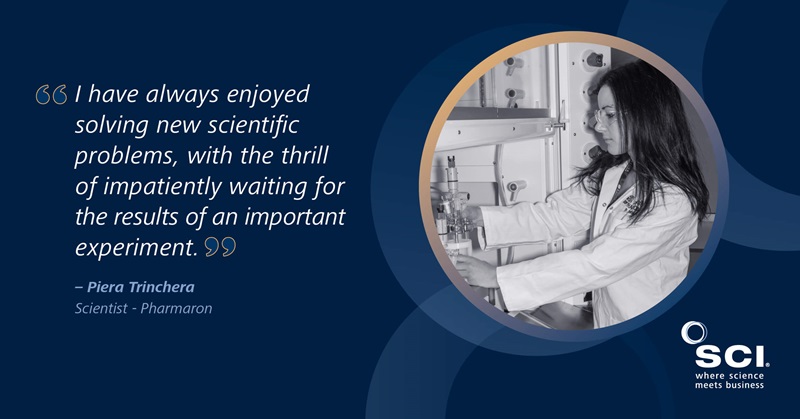
There are many aspects of this job that I enjoy. I have always enjoyed solving new scientific problems, with the thrill of impatiently waiting for the results of an important experiment or the curiosity in trying to understand an unexpected result.
In addition to the science, seeing your day-to-day lab work translated to the production of kg-quantities of new pharmaceutical compounds that might, after clinical studies, further global health is very rewarding.
Projects are completed on much shorter time frames than in academia (three to six months) and there is no time to stagnate as one so often does in a PhD or Postdoc. I enjoy the large breadth in the chemistry and the different challenges that come with each and every project.
Last but not least, it takes many people from different departments (e.g. in analysis, quality assurance, or manufacturing) working closely together to manufacture a drug compound on a kg-scale.
Working so closely with people from different backgrounds has tremendously enriched me during these years in Pharmaron. It has allowed me to acquire new technical knowledge and given me a deeper understanding of not just chemistry but the overall requirements for synthesising pharmaceutical compounds.
What is the most challenging part of your job?
Preparation of a synthetic process for manufacture on a kg-scale involves considerable development in the laboratory to ensure the chemistry translates from small to large scale. Part of this development is to identify potential issues and blindspots of the chemistry and processes and mitigate them by improving the process before implementation on a large scale.
Despite all these efforts, unforeseen complications do occasionally occur on the large scale and finding solutions in real time can be the most challenging aspect of the job. By keeping a clear head, the chemist can leverage both their deep knowledge of the process and the experience of their more senior colleagues to solve these problems.
How do you use the skills you obtained during your PhD and postdocs in your job?
As I’m in a synthetic chemistry job, I have benefitted enormously from the theoretical organic chemistry knowledge and practical laboratory skills that I acquired over the course of my PhD and postdoc years.
Additionally, in academia I became familiar and confident with other skills that I use on a daily basis. These include scientific communication through either written reports or oral presentations, conforming to good laboratory safety practices, and supervising and mentoring other people.
In general, the overall experience of my post-graduate academic education has provided me with the competencies necessary to scientifically manage projects and lead a team in Pharmaron.>> Get involved in the SCI Young Chemists’ Panel.
Which other skills do you need for your work?
Teamwork is a cornerstone of the job and company’s culture. The synthesis of pharmaceutical compounds according to our quality standards would not be possible without the contribution from, and close collaboration among, multiple people across several departments including analytical chemistry, process chemistry, process safety, quality assurance, formulation and manufacturing.
Is there any advice you would give to others interested in pursuing a similar career path?
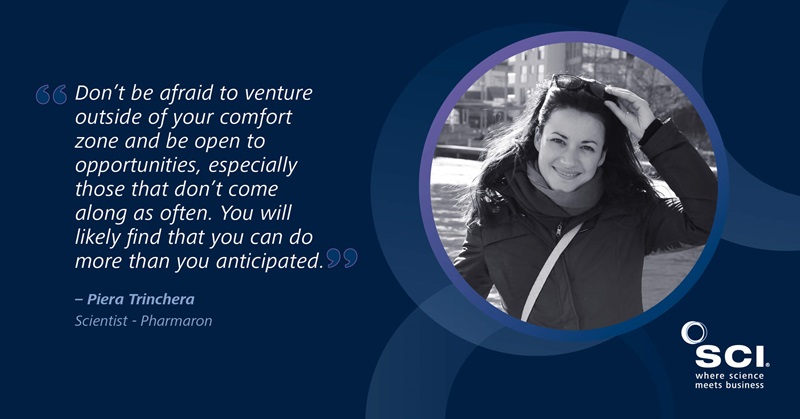
Don’t be afraid to venture outside of your comfort zone and be open to opportunities, especially those that don’t come along as often. This will help you build your confidence and you will likely find that you can do more than you anticipated. If you are interested in process chemistry, I would recommend looking into internships and/or finding a mentor who can give you an insight into the job.
As with research, perseverance is an important skill you need to master. You will experience failed reactions and difficult purifications at some point in your career as a process chemist. Be open minded, ask questions and don’t be afraid to seek out support from your colleagues.
>> Read how Ofgem’s Dr Chris Unsworth creates an inclusive working environment and transfers his PhD skills.
11 November 2022 |
|
|
Science & Innovation
What does clean smell like? What if the fragrance you want to create is that of a sweet-smelling, yet poisonous, flower? In his Scientific Artistry of Fragrances SCITalk, Dr Ellwood led us by the nose.
When Dr Simon Ellwood spoke about creating a fragrance, it sounded like a musical composition or a painting. The flavourist, sitting before a palette of 1,500 fragrance ingredients. Each occupies a different note on the register: the top notes, the middle ones, and the bottom.
To the outsider, this seems impossibly vast and daunting. The Head of Health & Wellbeing Centre of Excellence – Fragrance and Active Beauty Division at Givaudan mentioned that Persil resolved to come up with ‘the smell of clean’ for its detergents in the late 1950s.
But what should clean smell like? Should it be the green, citrusy aromas of this laundry detergent, the smell of mint, or the antiseptic at the hospital?
To make choosing smells slightly less daunting for flavourists and perfumers, they are at least split into odour families such as citrus, floral, green, fruity, spicy, musky, and woody. Some of these ingredients are natural, some are inspired by nature, and others come from petrochemicals and synthetic materials.

The delicious-smelling musk deer.
Deer gland perfume
One of the smells you may have sprayed on your person – one sibling in this odour family – has peculiar origins. The pleasant, powdery smell known as musk was originally extracted from the caudal gland of the male musk deer and from the civet cat.
But as the Colognoisseur website notes, as many as 50 musk deer would have to be killed to obtain one kilogramme of these nodules. Now, killing a load of deer and cats for a few bottles of perfume may not have seemed unethical several centuries ago, but it also wasn’t sustainable or cost-effective. It became clear that a synthetic musk was needed.
When the synthetic musk discovery came in 1888, it was a chance discovery. Albert Bauer had been looking to make explosives when a distinctive smell came instead, along with the scent of opportunity.
>> Read about the science behind your cosmetics
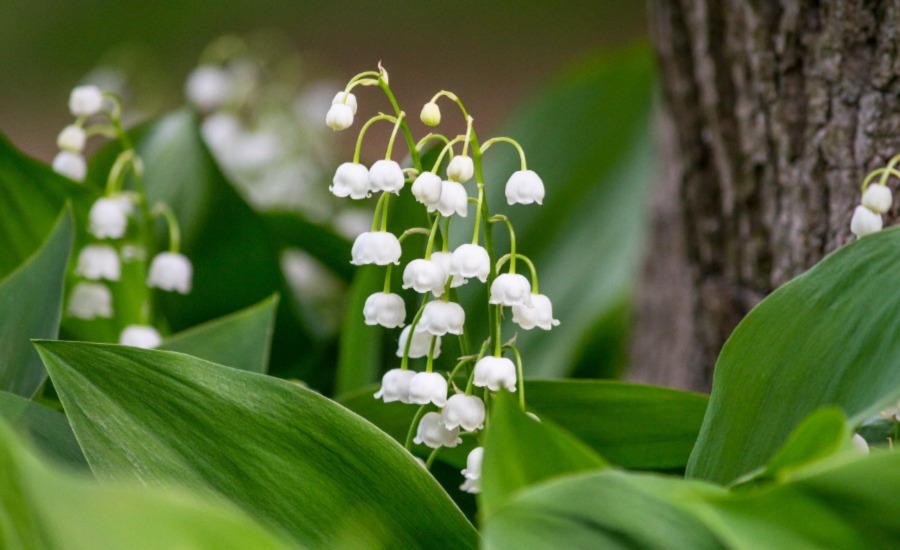
Dior recreated the woodland notes of Lily of the valley.
Do you like the smell of jasmine?
Dr Ellwood’s talk laid bare not only the vastness of everything we smell, but also the ingenuity of those who recreate these odours. In terms of breadth of smell, neroli oil – which is taken from the blossom of a bitter orange – has floral, citrus, fresh, and sweet odours, with notes of mint and caraway. Similarly, and yet dissimilarly, jasmine’s odour families are broken down into sweet, floral, fresh, and fruity, and – jarringly – intensely fecal.
The ingenuity of flavourists is exemplified by lily of the valley. The woodland, bell-shaped flowers are known for their evocative smell, but all parts of the plant are poisonous. Despite this, French company Dior synthetically recreated the lily of the valley smell in its Diorissimo perfume in 1956 using hydroxycitronellal, which is described by the Good Scents Company as having ‘a sweet floral odour with citrus and melon undertones’.

Cyanide smells like almonds, but you might not want to eat it.
Of course, as Dr Ellwood noted, synthetic flavours can only ever get so close to the real thing – an imperfect facsimile. However, the mere fact that chemists have recreated deer musk, lily of the valley, and the prized ambergris from sperm whales to create the fragrances we love is almost as extraordinary as the smells themselves.
‘Fragrance,’ he said, ‘will always be the confluence of the artistry of the perfumer and the chemist.
Register for our free upcoming SCI Talk on the Chemistry behind Beauty & Personal Care Products.
03 November 2022 |
|
|
Science & Innovation
Do you know how the Academy Awards came to be named the Oscars? What about the story behind the Nobel prize? Behind every award name there is a story, and the Julia Levy Award is no exception.
On the face of it, the Julia Levy Award is about innovation in biomedical applications, but it is the stories of the winners of this SCI Canada award, and Julia Levy herself, that really give it life.
But for a tweak of history, Julia Levy may not have ended up in Canada at all. Born Julia Coppens in Singapore in 1934, she moved to Indonesia in her early childhood. Her father uprooted the family during the Second World War and she left for Vancouver with her mother and sister – her father only joining them after release from a Japanese prisoner-of-war camp.

Julia and her family moved to Vancouver during the Second World War.
After studying bacteriology and immunology at the University of British Columbia (UBC), the young Julia received a PhD in experimental pathology from the University of London. She went on to become a professor at UBC and helped found biopharmaceutical company Quadra Logic Technologies in 1984.
More important than confining her achievements in cold prose, Julia Levy’s work made a profound difference to people’s lives. She developed a groundbreaking photodynamic therapy (PDT) that treated age-related macular degeneration – one of the leading causes of blindness in the elderly. She also created a bladder cancer drug called Photofrin in 1993 and, according to Neil and Susan Bressler, the Visudyne PDT treatment created by Julia and her colleagues was the only proven treatment for certain lesions.
Levy thrived in the business space too, serving as Chief Executive Officer and President of QLT from 1995 to 2001. She has since won a boatload of awards for her achievements, but sometimes the best testimonies come from those who have been inspired by her achievements.
Trailblazing drug discovery systems
For Helen Burt, winner of the 2022 Julia Levy Award and retired Angiotech Professor of Drug Delivery at the University of British Columbia (UBC), Julia has been an inspiration. Here was this UBC professor who jointly founded this big, exciting company – creating medication that improved people’s lives and showing her what was possible.
Helen, an English native, moved to Vancouver in 1976 for her PhD and loved it so much that she stayed. As a professor at UBC, Helen would become a trailblazer in drug delivery systems – a field pioneered earlier by Julia Levy.
‘I was a new assistant professor when she was building Quadra Logic and I would go to talks that she gave,’ Helen said. ‘Essentially, the early technology for QLT was a form of very sophisticated drug delivery [...] It was getting the drug they developed into the eye and irradiating it with light of a specific wavelength.
‘It was very, very targeted. And so, you didn’t get the drug going elsewhere in the body and causing unwanted side effects. So her technology was a form of very advanced drug delivery technology.’

‘For me to win an award that honours Julia Levy and her achievements – I think that's what makes it so special to me.’ – Professor Helen Burt, a former student of Julia Levy, is the Award's most recent recipient.
>> Learn more about SCI Canada.
These talks chimed with the young Helen. If a microbiologist could develop this kind of technology, what was stopping her from developing her own?
She, too, became a pioneer in her field, developing nanoparticle-based drug delivery systems (including those to treat cancer) and a novel drug-eluting coronary stent. According to Professor Laurel Schafer, who put Helen forward for the Julia Levy Award: ‘[Helen] was a trailblazer in new approaches for drug delivery and in research leadership on our campus.’
Importance to Canadian chemistry
Professor Schafer is a hugely accomplished chemist in her own right; and the University of British Columbia chemistry professor’s achievements in catalysis discovery were recognised with the LeSueur Memorial Award at the 2020 Canada Awards.
Julia Levy provided an inspiration to Laurel too, in her case as an exemplar for what Canadian chemists could achieve. ‘The achievements of Julia Levy show that it really can be done right here in Canada, and even right here in British Columbia,’ she said. ‘I grew up in a Canada where I believed that better was elsewhere and our job was to attract better here – a very colonial attitude.

Julia studied at and later became a Professor at the University of British Columbia – the campus is pictured above.
‘I now believe and know that better is right here. Professor Levy’s work showed that world-leading contributions come from UBC and from the laboratories led by women.’
She noted that the Julia Levy Award acknowledges Canadian innovation in health science, whereas Canadian chemistry has historically focused on process chemistry in areas such as mining and petrochemicals.
But Julia Levy’s influence permeates beyond science. ‘Julia is one of those people who has been willing throughout her whole career – even now, well into her eighties – to give back to the community,’ Professor Burt says. ‘She mentors, she coaches, she sits on the boards of startup companies, and she advises.’
‘She’s just got this incredible amount of knowledge… She was the Chief Executive Officer [at QLT], so she learnt all of the aspects: the complex and sophisticated regulations, knowing how to find the right people to conduct clinical trials, and how to do the scale-up. She really is a legend in terms of giving back to the community. And this is not just in British Columbia – it’s Pan-Canadian.’
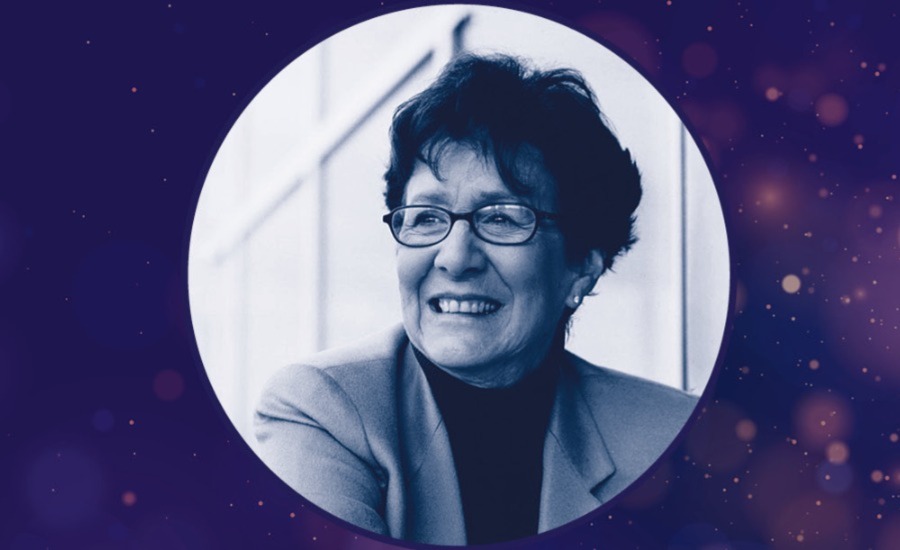
Pictured above: Julia Levy
For young chemists, the Julia Levy in the Julia Levy Award may just be a name for now, but for those in the Canadian chemical industry and patients all over the world, her influence and her work resonate.
As Professor Helen Burt said: ‘For me to win an award that honours Julia Levy and her achievements – I think that's what makes it so special to me.’
>> For more information on the Canada Awards, go to: https://bit.ly/3VMwNKa
31 October 2022 |
|
|