
Sustainability & Environment
The Organisation for Economic Cooperation and Development (OECD) defines the Blue Economy as ‘all economic sectors that have a direct or indirect link to the oceans, such as marine energy, coastal tourism and marine biotechnology.’ Other organisations have their own definitions, but they all stress the economic and environmental importance of seas and oceans.
Header image: Our oceans are of economic and environmental importance
To this end there are a growing number of initiatives focused on not only protecting the world’s seas but promoting economic growth. At the start of 2021 the Asian Development Bank (ADB) and the European Investment Bank (EIB) joined forces to support clean and sustainable ocean initiatives in the Asia-Pacific region, and ultimately contribute to achieving Sustainable Development Goals and the climate goals of the Paris Agreement.
Both institutions will finance activities aimed at promoting cleaner oceans ‘through the reduction of land-based plastics and other pollutants discharged into the ocean,’ as well as projects which improve the sustainability of all socioeconomic activities that take place in oceans, or that use ocean-based resources.
ADB Vice-President for Knowledge Management and Sustainable Development, Bambang Susantono, said ‘Healthy oceans are critical to life across Asia and the Pacific, providing food security and climate resilience for hundreds of millions of people. This Memorandum of Understanding between the ADB and EIB will launch a framework for cooperation on clean and sustainable oceans, helping us expand our pipeline of ocean projects in the region and widen their impacts’.

The blue economy is linked to green recovery
In the European Union the blue economy is strongly linked to the bloc’s green recovery initiatives. The EU Blue Economy Report, released during June 2020, indicated that the ‘EU blue economy is in good health.’ With five million people working in the blue economy sector during 2018, an increase of 11.6% on the previous year, ‘the blue economy as a whole presents a huge potential in terms of its contribution to a green recovery,’ the EU noted. As the report was launched, Mariya Gabriel, Commissioner for Innovation, Research, Culture, Education and Youth, responsible for the Joint Research Committee said; ‘We will make sure that research, innovation and education contribute to the transition towards a European Blue Economy.’
The impact of plastics in oceans is well known and many global initiatives are actively tackling the problem. At the end of 2020 the World Economic Forum and Vietnam announced a partnership to tackle plastic pollution and marine plastic debris. The initiative aims to help Vietnam ‘dramatically reduce its flow of plastic waste into the ocean and eliminate single-use plastics from coastal tourist destinations and protected areas.’ Meanwhile young people from across Africa were congratulated for taking leadership roles in their communities as part of the Tide Turners Plastic Challenge. Participants in the challenge have raised awareness of the impact of plastic pollution in general.
But it isn’t just the health of our oceans that governments and scientists are looking at. There is growing interest in the minerals and ore that could potentially be extracted via sea-bed mining. The European Commission says that the quantity of minerals occupying the ocean floor is potentially large, and while the sector is small, the activity has been identified as having the potential to generate sustainable growth and jobs for future generations. But adding a note of caution, the Commission says, ‘Our lack of knowledge of the deep-sea environment necessitates a careful approach.’ Work aimed at shedding light on the benefits, drawbacks and knowledge gaps associated with this type of mining is being undertaken.
With the push for cleaner energy and the use of batteries, demand for cobalt will rise, and the sea-bed looks to have a ready supply of the element. But, the World Economic Forum points out that the ethical dimensions of deep-sea cobalt have the potential to become contentious and pose legal and reputational risks for mining companies and those using cobalt sourced from the sea-bed.
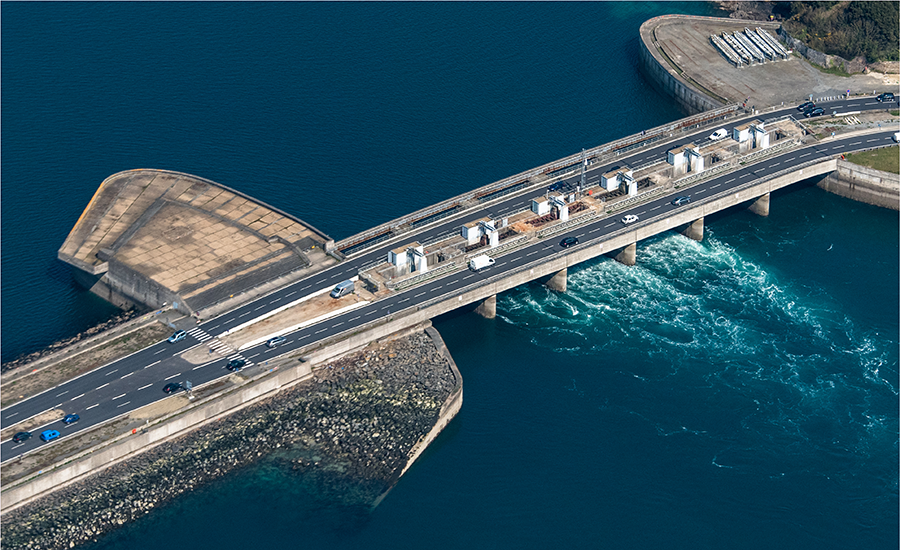
Energy will continue to be harnessed from the sea.
But apart from its minerals, the ocean’s ability to supply energy will continue to be harnessed through avenues such as tidal and wind energy. During the final quarter of 2020, the UK Hydrographic Office launched an Admiralty Marine Innovation Programme. Led by the UK Hydrographic Office, the programme gives innovators and start-ups a chance to develop new solutions that solve some of the world’s most pressing challenges as related to our oceans.
The UK’s Blue Economy is estimated to be worth £3.2 trillion by the year 2030. Marine geospatial data will be important in supporting this growth by enabling the identification of new areas for tidal and wind energy generation, supporting safe navigation for larger autonomous ships, which will play a vital role in mitigating climate change, and more.
23 February 2021 |
|


 |
|

Energy
Where once a country might have wanted to strike gold, now hitting upon a hydrocarbon find feels like a prize. But finding a hydrocarbon is only the beginning of the process and might not be worth it — as Lebanon is discovering.
First, a little background: for some time, Lebanon has been experiencing an energy crisis. Without resources of their own, the industry (which is government-owned) is reliant on foreign imports, which are expensive. Electricity in early 2020 was responsible for almost 50% of Lebanon's national debt. Major blackouts were common.
This contributed to a spiralling financial crisis, prompting public protests and riots as the middle class disappeared and even wealthier citizens struggled. Before Covid-19 and the devastating August 2020 blast in Beirut, Lebanon was in crisis.
The idea that the country might be able to switch from foreign oil to local gas was understandably appealing, especially when a major find was literally right there on the Lebanese shore. In 2019, a consortium of Israeli and US firms discovered more than 8tcm of natural gas in several offshore fields in the Eastern Mediterranean, much of it in Lebanese waters.

A hydrocarbon find off the Beirut coast has failed to live up to its early promise.
But a find is only the beginning. With trust in Lebanese politicians low (the country ranks highly in most government corruption indexes) and a system that has repeatedly struggled to deliver a stable government, there are additional difficulties, not least a delay in the licensing rounds and a lack of trust — both internally, from citizens, and externally, from potential bidders. Meanwhile, Lebanon's neighbours race ahead to exploit their own finds, which ratchets up tensions.
Amid all that, a drilling exploration managed to go ahead last summer. But the joint venture between Total, ENI, and Novatek, which operated a well 30km offshore Beirut and drilled to approximately 1,500 metres, did not bring back the hoped-for results. The results confirmed the presence of a hydrocarbon system generally but did not encounter any reservoirs of the Tamar formation, which was the target.
Offshore exploration is a long process, with a lot of challenges and uncertainties and Ricardo Darré, Managing Director of Total E&P Liban, said afterwards, "Despite the negative result, this well has provided valuable data and learnings that will be integrated into our evaluation of the area". But the faith national politicians have long put in the hydrocarbon find, selling it as an answer to all Lebanon's problems, seems to have only worsened the domestic situation since.
And domestic politics is just the start of the problems…
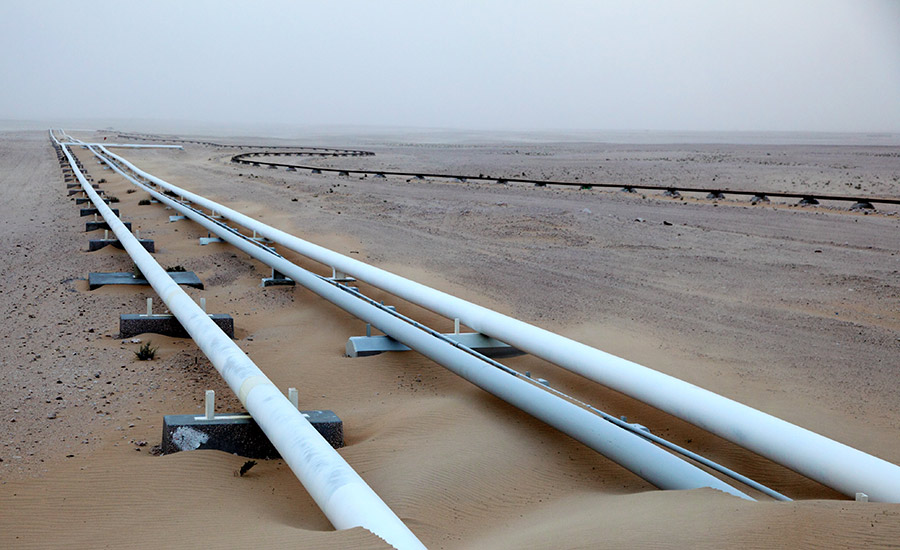
Unlike other countries in the Middle East, Lebanon has no pipeline infrastructure of its own.
Israel, Egypt, and Jordan already have pipelines, which go to Italy. Turkey is working with Libya on a pipeline. Lebanon has no pipeline infrastructure of its own yet, although Russia has storage facilities and pipelines in the country and an eye on possible competition in the gas market.
None of that is an issue if the supply is intended for domestic use but that might not be profitable enough for investors and the Lebanese government would struggle to underwrite production on its own. Cyprus has encountered similar issues exploiting its share of the find.
Lebanon has also set an ambitious goal of having 30% of domestic energy mix sourced from renewable energy by 2030. The hoped-for gas was intended to support the renewable energy mix but, with the clock ticking, it might be that priorities shift to focusing on renewables. The Covid-19 pandemic will significantly impact the budgets of drilling companies and the push for renewable energy, both from governments and investors, seems to be growing as a way to boost economic recovery.
It may be that, after all the excitement around the hydrocarbon find, Lebanon starts to look elsewhere for its energy provision.
22 February 2021 |
|
|
Sustainability & Environment
The world’s biggest ever survey of public opinion on climate change was published on 27th January, covering 50 countries with over half of the world’s population, by the United Nations Development Programme (UNDP) and the University of Oxford. Of the respondents, 64% believe climate change is a global emergency, despite the ongoing Covid-19 pandemic, and sought broader action to combat it. Earlier in the month, US President Joe Biden reaffirmed the country's commitment to the Paris Agreement on Climate Change.
It is possible that the momentum, combined with the difficulties many countries currently face, may make many look again to geoengineering as an approach. Is it likely that large scale engineering techniques could mitigate the damage of carbon emissions? And is it safe to do so or could we be exacerbating the problem?
The term has long been controversial, as have many of the suggested techniques. But it would seem that some approaches are gaining more mainstream interest, particularly Carbon Dioxide Removal (CDR) and Solar Radiation Modification (SRM), which the 2018 Intergovernmental Panel on Climate Change (IPCC) report for the UN suggested were worth further investigation (significantly, it did not use the term "geoengineering" and distinguished these two methods from others).
One of the most covered CDR techniques is Carbon Capture and Storage (CCS) or Carbon Capture, Utilisation, and Storage (CCUS), the process of capturing waste carbon dioxide, usually from carbon intensive industries, and storing (or first re-using) it so it will not enter the atmosphere. Since 2017, after a period of declining investment, more than 30 new integrated CCUS facilities have been announced. However, there is concern among many that it will encourage further carbon emissions when the goal should be to reduce and use CCS to buy time to do so.
CDR techniques that utilise existing natural processes of natural repair, such as reforestation, agricultural practices that absorb carbon in soils, and ocean fertilisation are areas that many feel could and should be pursued on a large scale and would come with ecological and biodiversity benefits, as well as fostering a different, more beneficial relationship with local environments.
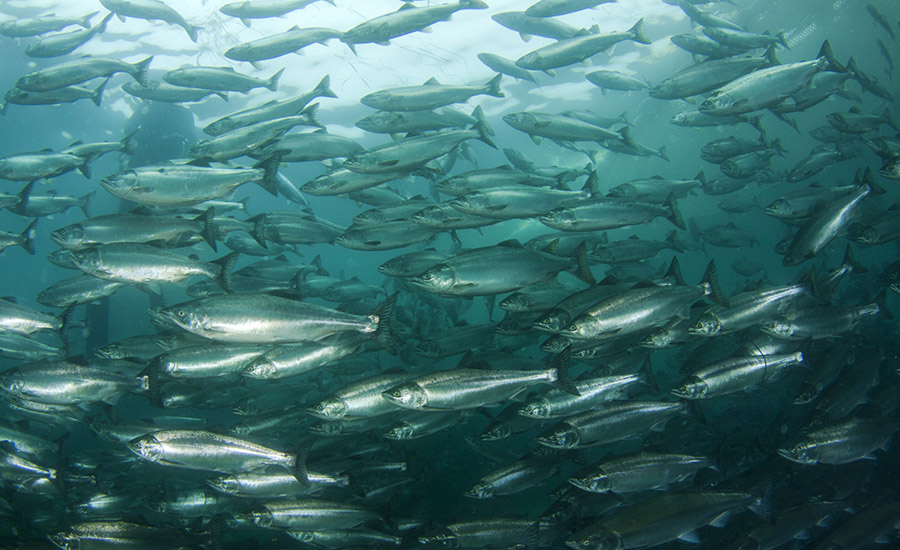
A controversial iron compound deposition approach has been trialled to boost salmon numbers and biodiversity in the Pacific Ocean.
The ocean is a mostly untapped area with huge potential and iron fertilisation is one very promising area. The controversial Haida Salmon Corporation trial in 2012 is perhaps the most well-known example and brings together a lot of the pros and cons frequently discussed in geoengineering — in many ways, we can see it as a microcosm of the bigger issue.
The trial deposited 120 tonnes of iron compound in the migration routes of pink and sockeye salmon in the Pacific Ocean 300k west of Haida Gwaii over a period of 30 days, which resulted in a 35,000km2, several month long phytoplankton bloom that was confirmed by NASA satellite imagery. That phytoplankton bloom fed the local salmon population, revitalising it — the following year, the number of salmon caught in the northeast Pacific went from 50 million to 226 million. The local economy benefited, as did the biodiversity of the area, and the increased iron in the sea captured carbon (as did the biomass of fish, for their lifetimes).
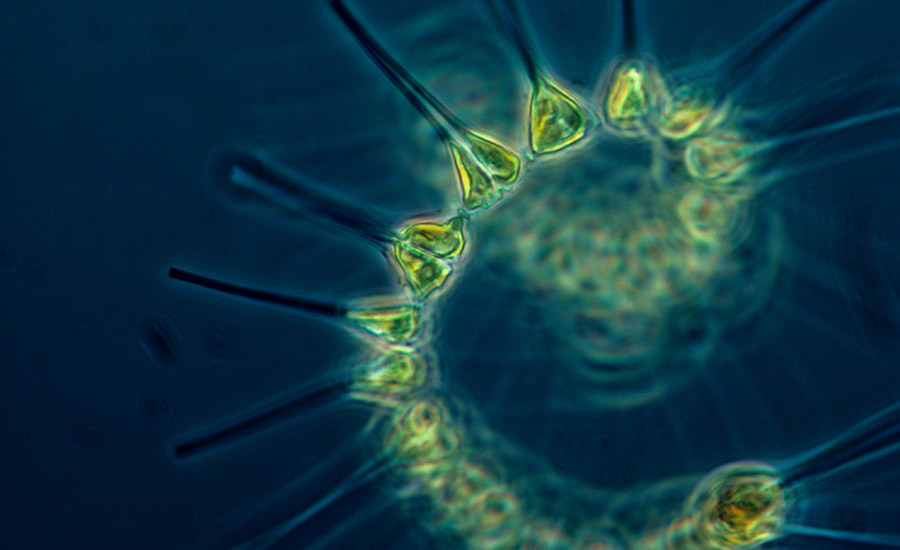
Small but mighty, phytoplankton are the laborers of the ocean. They serve as the base of the food web.
But Environment Canada believes the corporation violated national environmental laws by depositing iron without a permit. Much of the fear around geoengineering is how much might be possible by rogue states or even rogue individuals, taking large scale action with global consequences without global consent.
The conversation around SRM has many similarities — who decides that the pros are worth the cons, when the people most likely to suffer the negative effects, with or without action, are already the most vulnerable? This is a concern of some of the leading experts in the field. Professor David Keith, an expert in the field, has publicly spoken about his concern around climate change and inequality, adding after the latest study that, "the poorest people tend to suffer most from climate change because they’re the most vulnerable. Reducing extreme weather benefits the most vulnerable the most. The only reason I’m interested in this is because of that."
But he doesn't believe anywhere near sufficient research has been done into the viability of the approach or the possible consequences and cautions that there is a need for "an adequate governance system in place".
There is no doubt that the research in this field is exciting but there are serious ethical and governance problems to be dealt with before it can be considered a serious component of an emissions reduction strategy.
15 February 2021 |
|
|
Energy
We are increasingly conscious of the need to recycle waste products, but it is never quite so easy as rinsing and sorting your waste into the appropriate bins, especially when it comes to plastic.
Despite our best intentions, only around 16% of plastic is recycled into new products — and, worse, plastics tend to be recycled into low quality materials because transformation into high-value chemicals requires substantial amounts of energy, meaning the choices are either downcycling or prohibitively difficult. The majority of single-use plastics end up in landfills or abandoned in the environment.
This is a particular problem when it comes to polyolefins such as polyethylene (PE) and polypropylene (PP), which use cheap and readily available raw materials. Approximately 380 million tonnes of plastics are generated annually around the world and it is estimated that, by 2050, that figure will be 1.1 billion tonnes. Currently, 57% of this total are polyolefins.
Why are polyolefins an issue? The strong sp3 carbon–carbon bonds (essentially long, straight chains of carbon and hydrogen atoms) that make them useful as a material also make them particularly difficult to degrade and reuse without intensive, high energy procedures or strong chemicals. More than most plastics, downcycling or landfill disposal tend to be the main end-of-life options for polyolefins.
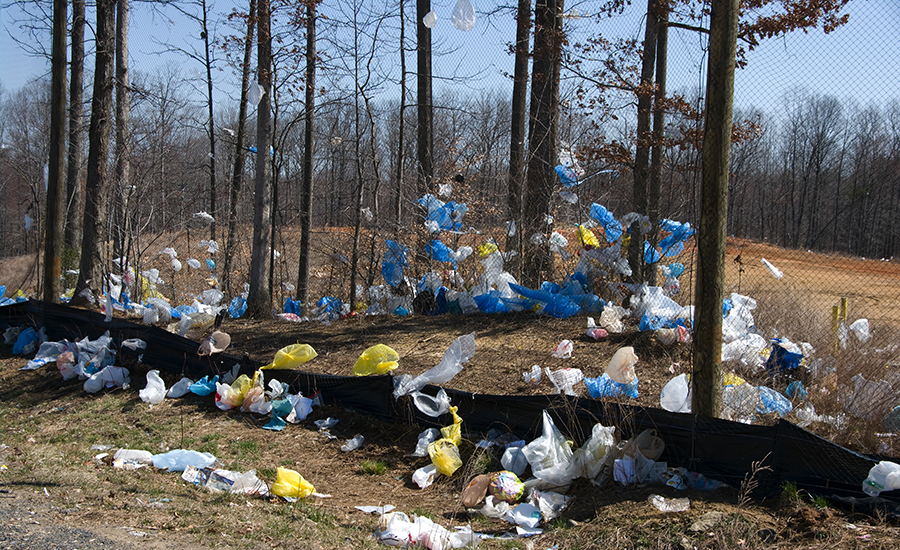
Polyethylene is used to make plastic bags and packaging.
Now, however, a team of scientists from MIT, led by Yuriy Román-Leshkov, believe they may have made a significant step towards solving this problem.
Previous research has demonstrated that noble metals, such as zirconium, platinum, and ruthenium can help split apart short, simple hydrocarbon chains as well as more complicated, but plant-based lignin molecules, in processes with much lower temperatures and energy.
So the team looked at using the same approach for the long hydrocarbon chains in polyolefins, aiming to disintegrate the plastics into usable chemicals and natural gas. It worked.
First, they used ruthenium-carbon nanoparticles to convert more than 90% of the hydrocarbons into shorter compounds at 200 Celsius (previously, temperatures of 430–760 Celsius were required).
Next, they tested their new method on commercially available, more complex polyolefins without pre-treatment (an energy intensive requirement). Not only were the samples completely broken down into gaseous and liquid products, the end product could be selected by tuning the reaction, yielding either natural gas or a combination of natural gas and liquid alkanes (both highly desirable) as preferred.
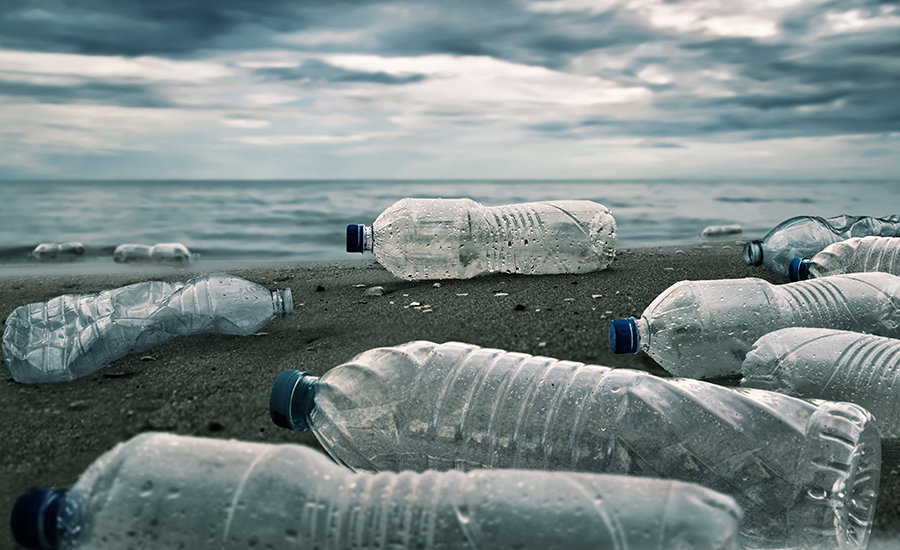
Polypropylene is used in bottle caps, houseware, and other packaging and consumer products.
The researchers believe that an industrial scale use of their method could eventually help reduce the volume of post-consumer waste in landfills by recycling plastics to desirable, highly valuable alkanes — but, of course, it's not that simple. The team says that more research into the effects of moisture and contaminants in the process is required, as well as product removal strategies to decrease the formation of light alkanes which will be critical for the industrialisation of this reaction.
However, they believe the path they're on could lead to affordable upcycling technology that would better integrate polyolefins into the global economy and incentivise the removal of waste plastics from landfill and the environment.
More about the study can be read here:
https://pubs.acs.org/doi/full/10.1021/jacsau.0c00041
11 February 2021 |
|
|
Policy
The theme of the 2021 World Economic Forum’s Davos Agenda was ‘The Great Reset’ and how the world might recover from the effects of Covid-19. Because of the current circumstances, the forum was split into two parts, with a virtual meeting held January 25-29 and an in-person gathering planned for May 13-16, in Singapore.
Each day of the January summit was dedicated to discussing a key area for recovery. On Monday, January 25, the focus was on designing cohesive, sustainable and resilient economic systems. On Tuesday, delegates discussed how to drive responsible industry transformation and growth, while on Wednesday they spoke about enhancing the stewardship of our global commons. Thursday's talks centred on harnessing the technologies of the Fourth Industrial Revolution, and on Friday attendees discussed ways to advance global and regional cooperation.
With the International Labor Organization jobs report, published at the start of the week, stating that at least 225 million jobs vanished worldwide over the past year (four times more than the 2008 global financial crisis) and concerns that vaccine nationalism will see the pandemic continue to ravage many less wealthy nations, much of the talk was around equality and unity.
Christine Lagarde, President of the European Central Bank, spoke in Monday's meeting. ‘Once we’re through to the "second phase" of the 2021 Covid-19 recovery,’ Lagarde said, ‘it is most likely going to be a new economy, which will be associated with positive developments and also with challenges.’ Many advanced economies, she noted, particularly in Europe, have jumped forward in terms of digitalisation, some by up to seven years.
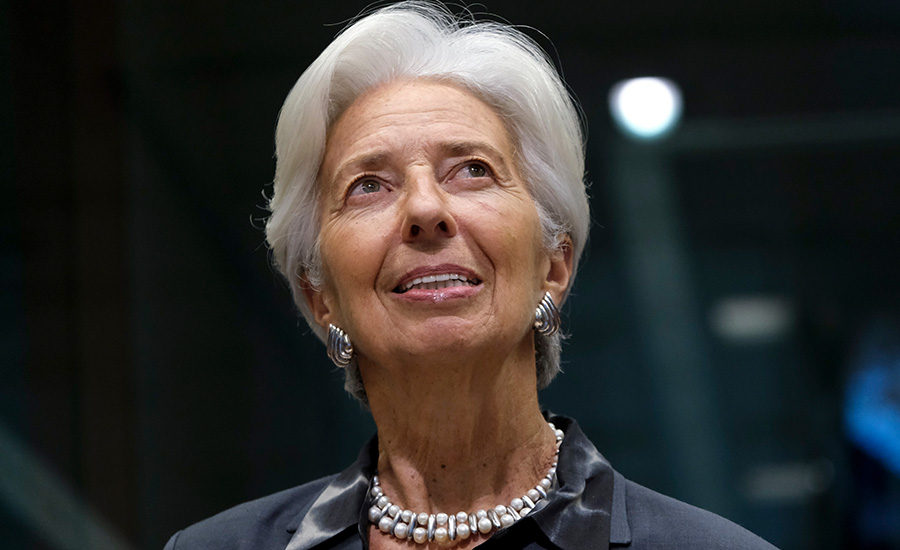
Christine Lagarde, President of the European Central Bank, has called for continued support for the digital-centred, post-pandemic economy. | Credit: Alexandros Michailidis / Shutterstock.com
She added that it is likely that there will be a 20% increase in the amount of people working from home post-pandemic, which will have an impact on many economies, and claimed that technological changes are already having positive effects. She said that it is critical to continue ‘favouring and supporting investment into this new economy’ and that on the fiscal and monetary policy front, authorities will have to stay the course and continue to support. At the same time, investment will have to be focused on laying the ground for a new economy.
Ursula von der Leyen, President of the European Commission (EC), agreed about the increase in digitalisation, and reported that the EU hopes ‘the 2020s can finally be Europe’s Digital Decade’, highlighting a number of investments to boost this process, including the startup scenes in cities such as Sofia and Lisbon.
However, she warned that there is a ‘darker side of the digital world,’ noting the assault on Capitol Hill in the US and making clear that ‘The immense power of the big digital companies must be contained. She spoke of the EC's plans ‘to make internet companies take responsibility for content, from dissemination to promotion and removal, and highlighted the Commission’s new rulebooks, the Digital Services Act and the Digital Markets Act.
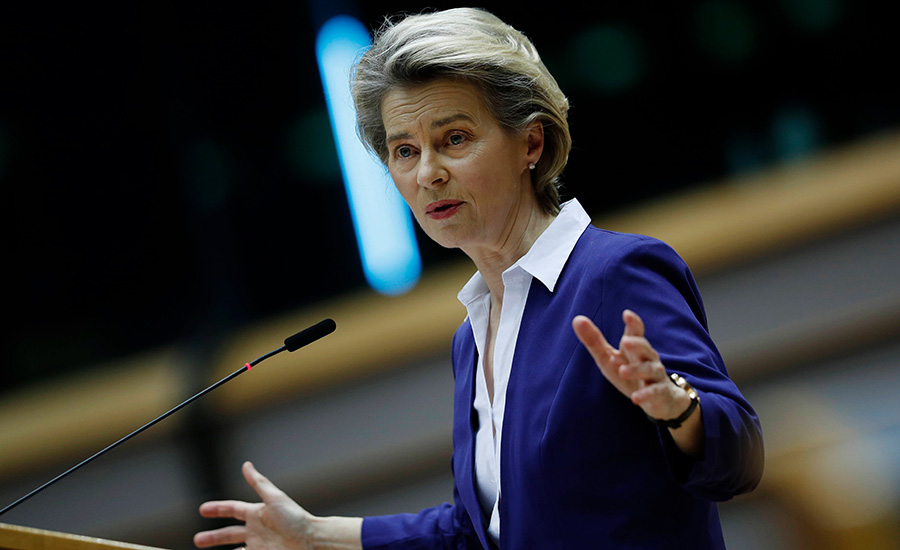
Ursula von der Leyen, President of the European Commission, believes the 2020s can be Europe’s ‘Digital Decade’. | Credit: John Smith Williams / Shutterstock.com
She invited the US to work together to: ‘Create a digital economy rulebook that is valid worldwide: it goes from data protection and privacy to the security of critical infrastructure. A body of rules based on our values: Human rights and pluralism, inclusion and the protection of privacy.’
Marc Benioff, Salesforce CEO, made a noteworthy intervention in his panel discussion, claiming, ‘There has been a mantra for too long that the business of business is business, but today the business of business is improving the state of the world.’ He added that, while there were many CEOs who had been ‘bad actors,’ others had used their considerable resources to help fight the pandemic.
Many speakers noted a shift towards sustainability in investments, with others demanding more change and faster. Of the latter, Mark Carney, Special Envoy for Climate Action and Finance to the UN, said bluntly, ‘if you are part of the private financial sector and you are not part of the solution […] you will have made the conscious decision not to be aligned to net zero […] if you’re not in, you’re out because you chose to be out.’
It could be concluded that there was a great deal to feel positive about, but the circumstances are difficult. Now we will see whether the attendees of the World Economic Forum can deliver on their inspiring rhetoric.
09 February 2021 |
|
|
Science & Innovation
The Organisation for Economic Cooperation and Development (OECD) has published its Science Technology and Innovation Outlook 2021: Time of Crises and Opportunity report.
Published at the beginning of 2021, the report focuses on the ‘unparalleled mobilisation of the scientific and innovation community’ in response to the covid-19 pandemic. The report indicates that newly funded research initiatives have been established by public research agencies and organisations, private foundations and charities, while the health sector has similarly invested in an array of research programmes worth billions of dollars in record time.
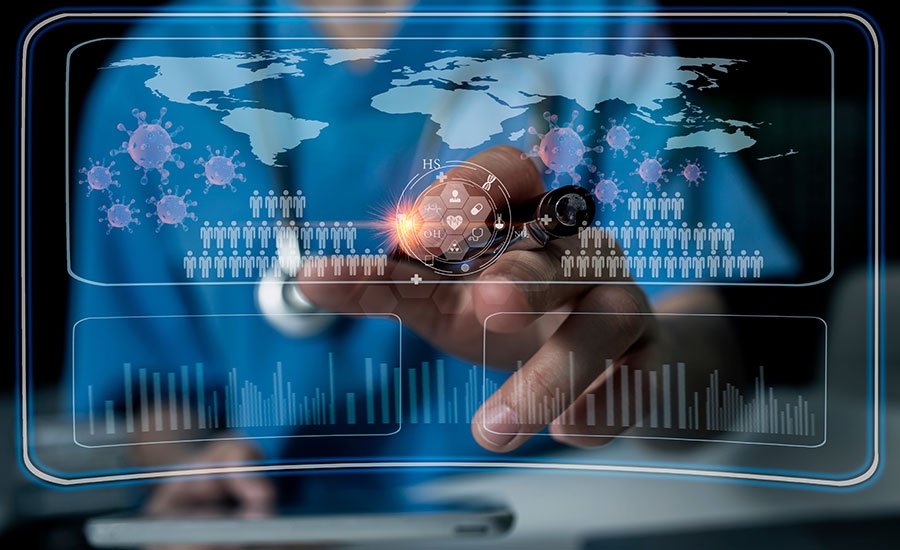
The pandemic has led an unprecedented mobilisation of the scientific and innovation community
However, the report also exposes gaps in overall system resilience to future crises. ‘It’s a wake-up call that highlights the need to recalibrate science, technology and innovation (STI) policies, so that they better orient research and innovation efforts towards sustainability, inclusivity and resiliency goals,’ the report asserts.
Highlighting the rapid response by governments around the world, the report indicates that in the first few months of the pandemic, national research funding bodies spent around $5 billion on emergency financial support. This includes $300 million in Asia-Pacific, excluding China, over $850 million in Europe and more than $3.5 billion in North America. At the same time, research efforts led to around 75,000 scientific publications on covid-19 being released between January and November 2020, the report says. The largest share came from the US, followed by China and the UK. Research databases and scientific publishers removed paywalls so that covid-19 related information could be quickly shared.
Research efforts led to around 75,000 scientific publications on covid-19 being released between January and November 2020
‘These developments mark important changes that could accelerate the transition to a more open science in the longer run,’ the report says. It is also noted that not only have researchers continued their work with more than three quarters of scientists indicating that they had shifted to working from home at some point in 2020, but almost two thirds experienced, or expected to see, an increase in the use of digital tools for research as a consequence of the crisis. The report also mentions the contribution of the general public, with so called ‘frugal innovations’ in response to shortages of medical equipment and emergency supplies.
Looking to the future of the research community, the report says that postgraduate training regimes require reform to support a diversity of career paths. ‘The crisis has shown that the need for STI expertise is not limited to the public laboratory; it is also important for business, government and NGOs […] Reforming PhD and post-doctoral training to support a diversity of career paths is essential for improving societies’ ability to react to crises like covid-19 and to deal with long-term challenges like climate change that demand science-based responses […] There has been a 25% increase in the number of people with PhDs in OECD countries over the past decade with no corresponding increase in academic posts. The pandemic is expected to make matters worse, more than half of the scientists participating in the OECD Science Flash Survey expect the crisis to negatively affect their job security and career opportunities,’ the report says.

Post-graduate training regimes require reform to support a diversity of career paths
While still in the midst of the pandemic, the report stresses that STI policies now need to be reoriented to tackle the challenges of sustainability, inclusivity and resiliency. ‘In the short-term governments should continue their support for science and innovation activities that aim to develop solutions to the pandemic and mitigate its negative impacts, while paying attention to its uneven distributional effects. Science for policy will remain in the spotlight as governments seek to strike the right balance in their response to covid-19. This will effect public perceptions of science that could have long term implications for science-society relations.’
The report concludes that governments now have the task of developing public sector capabilities to deliver more ambitious STI policy. This will require engagement from stakeholders and citizens in order to capture a diversity of knowledge and values.
DOI:10.1787/75f79015-en
04 February 2021 |
|
|
Science & Innovation
Galen (129-216 CE) is one of the most famous and influential medical practitioners in history but he was also a scientist, an author, a philosopher, and a celebrity. He wrote hundreds of treatises, travelled and studied widely, was the physician to three emperors, and left a legacy of scientific thought that lasted for fifteen hundred years — even today, his work has an influence.
Header image Editorial credit: Eray Adiguzel / Shutterstock.com
He grew up in Pergamum, an intellectual centre of the Mediterranean world, in a wealthy family that encouraged him to pursue academia and funded his travels to learn in the best environments available, acquiring the latest techniques in medicine and healing.
He understood that diet, exercise, and hygiene were essential for good health and put that into practice in the four years he spent working for the High Priest of Pergamum's Gladiator School. This was a high profile and high pressure role and we know he reduced the death rate dramatically in his four years there. The recommendation he got helped secure him a position in Rome, capital of the empire.
He was not popular in the city — at one point, he seems to have been chased out by the local physicians, who strenuously disagreed with his methods — but he was eventually summoned by the emperor Marcus Aurelius to be his personal physician. He was described by the emperor as, “First among doctors and unique among philosophers".
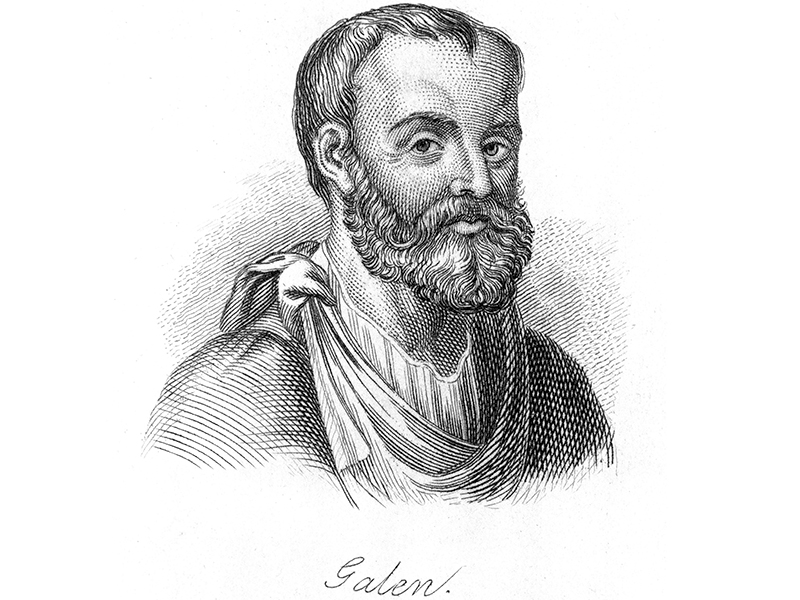
Galen; Line engraving | Credit: Wellcome Images, Wikimedia Commons
Galen continued to navigate the difficult political environment of the imperial capital and was personal physician to two more emperors, while publishing prolifically and becoming one of the most well-known figures in the Roman Empire. Much of his work is lost to us but we still know a great deal about him, including that he had a flair for showmanship and controversy.
In the Greek world where he grew up, dissections had been common — of animals and humans. In Rome, this was not the case. In fact, human dissections were banned across the empire shortly before Galen arrived in the city. Undaunted, he gave a number of public anatomical demonstrations using pigs, monkeys, sheep, and goats to show his new city what they were missing (this was one of many incidents that contributed to local dislike of his methods as well as his increasing fame).
His legacy was huge, both because he recorded and critiqued the work of others in his field and because of the huge volumes of his own observations and theories. His texts were the foundation for much of medical education in the Islamic, Byzantine, and European worlds until the 17th Century.
The ban on human dissection likely limited his progress in some areas and many of his theories have (eventually) been disproved, such as the theory of the four humours — blood, black bile, yellow bile, and phlegm — based on Hippocrates' system and elaborated, as well as the efficacy of bloodletting.

Galen observed that cataracts could be removed.
In other areas, however, he was remarkably successful. He observed that the heart has four valves that allow blood to flow in only one direction, that a patient's pulse or urine held clues to their disease, that urine forms in kidneys (previously thought to be the bladder), that arteries carry liquid blood (previously thought to be air), that cataracts could be removed from patients' eyes, among others. He also identified seven of the 12 cranial nerves, including the optic and acoustic nerves.
His focus on practical methods such as direct observation, dissection, and vivisection is obviously still relevant to modern medical research. Indeed, scientists who disproved his theories, such as Andreas Vesalius and Michael Servetus in the 16th century, did so using Galen's own methods.
The study of his work remains hugely important to the history and understanding of medicine and science, as well as the ancient world. The Galenic formulation, which deals with the principles of preparing and compounding medicines in order to optimise their absorption, is named after him.
02 February 2021 |
|
|
Agrifood
More people are looking at their nutritional intake, not only to improve wellbeing but also reduce their environmental impact. With this, comes a move to include foods that are not traditionally cultivated or consumed in Europe.
Assessing whether this growing volume of so called ‘novel foods’ are safe for human consumption is the task of the European Food Safety Authority. The EFSA points out, ‘The notion of novel food is not new. Throughout history new types of food and food ingredients have found their way to Europe from all corners of the globe. Bananas, tomatoes, tropical fruit, maize, rice, a wide range of spices – all originally came to Europe as novel foods. Among the most recent arrivals are chia seeds, algae-based foods, baobab fruit and physalis.’
Under EU regulations any food not consumed ‘significantly’ prior to May 1997 is considered to be a ‘novel food’. The category covers new foods, food from new sources, new substances used in food as well as new ways and technologies for producing food. Examples include oils rich in omega-3 fatty acids from krill as a new source of food, phytosterols as a new substance, or nanotechnology as a new way of producing food.
Providing a final assessment on safety and efficacy of a novel food is a time consuming process. At the start of 2021 the EFSA gave its first completed assessment of a proposed insect-derived food product. The panel on Nutrition, Novel Foods and Food Allergens concluded that the novel food dried yellow meal worm (Tenebrio molitor larva) is safe for human consumption.

Dried yellow meal worm (Tenebrio molitor larva) is safe for human consumption, according to the EFSA.
Commenting in a press statement, as the opinion on insect novel food was released, Ermolaos Ververis, a chemist and food scientist at EFSA who coordinated the assessment said that evaluating the safety of insects for human consumption has its challenges. ‘Insects are complex organisms which makes characterising the composition of insect-derived products a challenge. Understanding their microbiology is paramount, considering also that the entire insect is consumed,’
Ververis added, ‘Formulations from insects may be high in protein, although the true protein levels can be overestimated when the substance chitin, a major component of insects’ exoskeleton, is present. Critically, many food allergies are linked to proteins so we assess whether the consumption of insects could trigger any allergic reactions. These can be caused by an individual’s sensitivity to insect proteins, cross-reactivity with other allergens or residual allergens from insect feed, e.g. gluten.’

EFSA research could lead to increased choice for consumers | Editorial credit: Raf Quintero / Shutterstock.com
The EFSA has an extensive list of novel foods to assess. These include dried crickets (Gryllodes sigillatus), olive leaf extract, and vitamin D2 mushroom powder. With the increasing desire to find alternatives to the many foods that we consume on a regular basis, particularly meat, it is likely that the EFSA will be busy for some time to come.
28 January 2021 |
|
|
Sustainability & Environment
Gardens and parks provide visual evidence of climate change. Regular observation shows us that our flowering bulbous plants are emerging, growing and flowering. Great Britain is particularly rich in long term recordings of dates of budbreak, growth and flowering of trees, shrubs and perennial herbaceous plants. Until recently, this was dismissed as ‘stamp collecting by Victorian ladies and clerics’.
The science of phenology now provides vital evidence that quantifies the scale and rapidity of climate change. Serious scientific evidence of the impact of climate change comes, for example, from an analysis of 29,500 phenological datasets. This research shows that plants and animals are responding consistently to temperature change with earlier blooming, leaf unfurling, flowering and migration. This scale of change has not been seen on Earth for the past three quarters of a million years. And this time it is happening with increased rapidity and is caused by the activities of a single species – US – humans!

Iris unguicularis (stylosa).
Changing seasonal cycles seriously affects our gardens. Fruit trees bloom earlier than previously and are potentially out of synchrony with pollinators. That results in irregular, poor fruit set and low yields. Climate change is causing increased variability in weather events. This is particularly damaging when short, very sharp periods of freezing weather coincide with precious bud bursts and shoot growth. Many early flowering trees and shrubs are incapable of replacing damaged buds, as a result a whole season’s worth of growth is lost. Damaged buds and shoots are more easily invaded by fungi which cause diseases such as dieback and rotting. Eventually valuable feature plants fail, damaging the garden’s benefits for enjoyment and relaxation.
Plant diseases caused by fungi and bacteria benefit from our increasingly milder, damper winters. Previously, cooling temperatures in the autumn and winter frosts prevented these microbes from over-wintering. Now they are surviving and thriving in the warmer conditions. This is especially the case with soil borne microbes such as those which cause clubroot of brassicas and white rot, which affects a wide range of garden crops.

Hazel (Coryllus spp.) typical wind-pollinated yellow male catkins, which produce pollen.
Can gardeners help mitigate climate change? Of course! Grow flowering plants which are bee friendly; minimise using chemical controls; ban bonfires – which are excellent sources of CO2; establish wildlife-friendly areas filled with native plants and pieces of rotting wood, and it is amazing how quickly beneficial insects, slow worms and voles will populate your garden.
—
Professor Geoff Dixon is the author of Garden Practices and their Science, published by Routledge 2019.
26 January 2021 |
|
|
Health & Wellbeing
A year after the world was put on alert about the rapidly spreading covid-19 virus, mass vaccination programmes are providing a welcome light at the end of the tunnel.
However, for many people vaccination remains a concern. A World Economic Forum – Ipsos survey: Global Attitudes on a Covid-19 Vaccine, indicates that while an increasing number of people in the US and UK plan to get vaccinated, the intent has dropped in South Africa, France, Japan and South Korea. The survey was conducted in December 2020, following the first vaccinations in the US and the UK.
This study shows that overall vaccination intent is below 50% in France and Russia. ‘Strong intent’ is below 15% in Japan, France and Russia.

Many cities are still in lockdown
Between 57% and 80% of those surveyed cited concerns over side effects as a reason for not getting a covid-19 vaccination. Doubts over the effectiveness of a vaccine was the second most common reason cited in many countries, while opposition to vaccines in general was mentioned by around 25% those who will refuse a vaccination.
The survey was conducted among 13,542 adults aged 18–74 in Canada, South Africa, and the US, while those surveyed in Australia, Brazil, China, France, Germany, Italy, Japan, Mexico, Russia, South Korea, Spain and the UK were aged 16–74.
A previous survey, Global Attitudes on a Covid-19 Vaccine carried out in July and August 2020, indicated that 74% of those surveyed intended to get vaccinated. At that time the World Economic Forum said that this majority could still fall short of the number required to ‘beat covid-19.’
Commenting on the newest data Arnaud Bernaert, Head of Health and Healthcare at the World Economic Forum said; ‘As vaccinations roll out, it is encouraging to see confidence improve most in countries where vaccines are already made available. It is critical that governments and the private sector come together to build confidence and ensure that manufacturing capacity meets the global demand.’
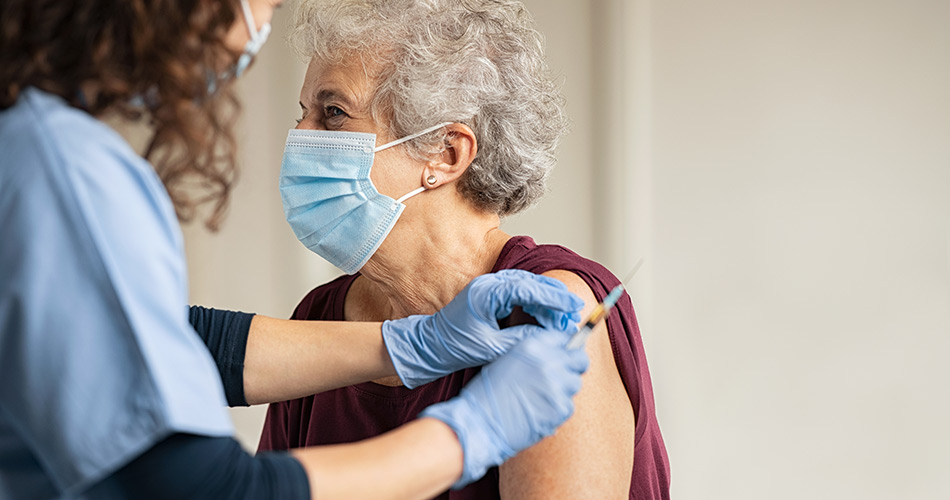
World Economic Forum-Ipsos Survey indicates a rise in number of people in US and UK intending to get vaccinated.
With the imperative now to move towards some sort of ‘normality’, as well as getting economies moving, fears over vaccination need to be allayed. However, what also needs to be considered is what underlies those fears. Misinformation, no doubt, has a part to play. This highlights a lack of trust in governments and a sector that has worked tirelessly to develop vaccines in record time.
As different companies bring their vaccines to the market, care now needs to be taken to reassure people around the world that whichever manufacturer’s vaccine they are given, they are in safe hands. As any adverse reactions occur – an inevitability with any vaccine rollout – these ought to be made known to the wider public by companies and governments as soon as it is feasible, preventing space for the spread of rumour and misinformation, which could undo the hard work of the scientists, businesses and governments bringing vaccines to the public.
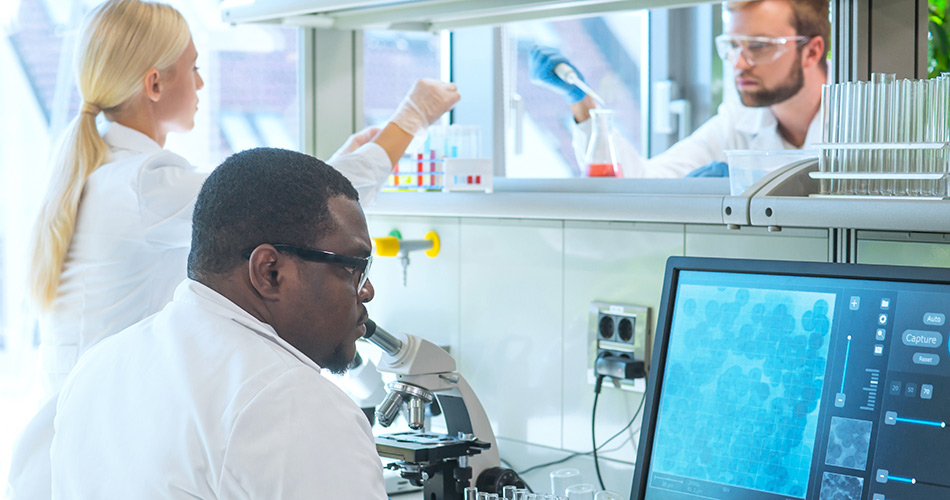
Researchers have worked tirelessly to bring vaccines to the market
19 January 2021 |
|
|
Policy
Waking up after a night of overindulgence on food and wine and realising you don’t have a headache is very satisfying. But realising, soon afterwards, you have heartburn can bring your mood down rapidly.
After years of discussion and argument around Brexit, the UK woke up to find that a Trade and Cooperation Agreement between the UK and the EU been reached. A major headache had been avoided.

UK Businesses have a new trading landscape
However, the UK chemicals sector soon realised that after pulling back the curtains and taking a look at the new trading landscape, a feeling of heartburn was rising. The chemical sector’s regulatory obligation now requires that it establishes a UK-REACH system. The deal negotiated means that the UK has no access to the data it submitted to the EU’s REACH database.
In effect, the UK chemical sector has to populate the UK-REACH system from scratch. This will require an array of steps possibly including testing and renegotiating data sharing with other companies. According to the Chief Executive of the Chemical Industries Association (CIA), Steve Elliot, this is set to burn a £1 billion hole in the UK chemical sector’s pocket.
‘Failure to secure access to what has been a decade’s worth of investment by UK chemical businesses in data for EU REACH will leave the industry facing a bill of more than £1 billion in unnecessarily duplicating that work for a new UK regime,’ said Elliot in a statement on 24 December 2020, the day that the UK government excitedly announced the new trade deal.
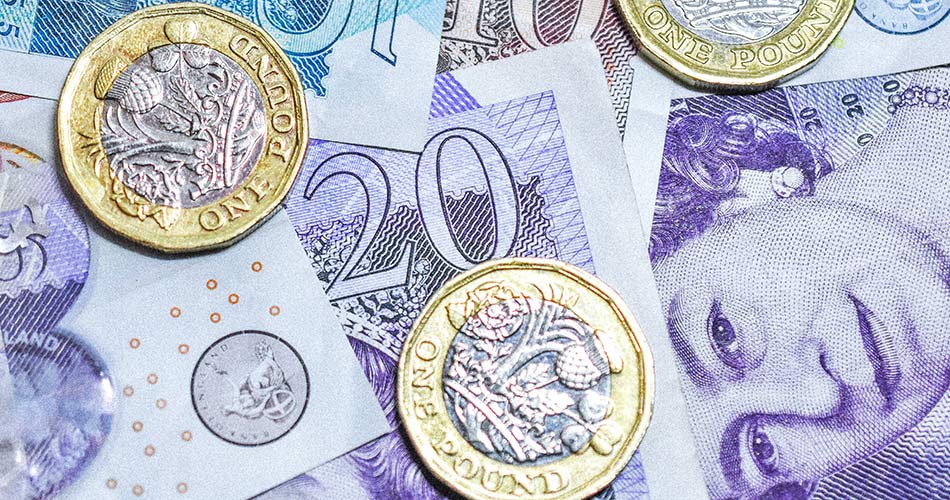
UK-REACH could cost more than £1 billion
As a slightly belated Christmas gift, and perhaps just taking the edge off the heartburn, the UK government’s Environment Minister, Rebecca Pow announced, on 31 December, that the UK-REACH IT system was up and running. Pow said that the government had worked closely with partners, industry and stakeholders developing the IT system to manage the UK’s chemicals industry.
‘Having our own independent chemicals regulatory framework will ensure that we make decisions that best reflect the UK’s needs while maintaining some of the highest chemical standards in the world,’ she said.
But will these high standards do what REACH was set up for in the first place, and protect human health and the environment? According to CHEM Trust, a UK-German charity focused on preventing man-made chemicals from causing long term damage to wildlife or humans, the deal does not go far enough.
Critiquing the outcome, Michael Warhurst, Executive Director of CHEM Trust said, ‘CHEM Trust’s initial assessment is that this agreement does not adequately protect human health and the environment in the UK from hazardous chemicals. This is because it doesn’t retain UK access to the EU’s chemicals regulation system REACH. The agreement includes an annex on chemicals, but does not facilitate the type of close cooperation with the EU post-Brexit that civil society groups such as CHEM Trust, and also the chemicals and other industries are seeking.’
But on a positive note, Warhurst added; ‘The deal […] commits the UK to not regress from current levels of protection, includes a rebalancing procedure which could increase protection on both sides and offers a platform on which a closer partnership could be negotiated in the future.’
No one doubts that there is still much to be digested, along with those left over Christmas chocolates that nobody really likes, regarding the UK-EU Free Trade Agreement. ‘Although this Free Trade Agreement represents a mixed bag for our industry,’ said the CIA’s Elliot, ‘we shouldn’t underestimate the huge value that a deal brings in terms of certainty.’
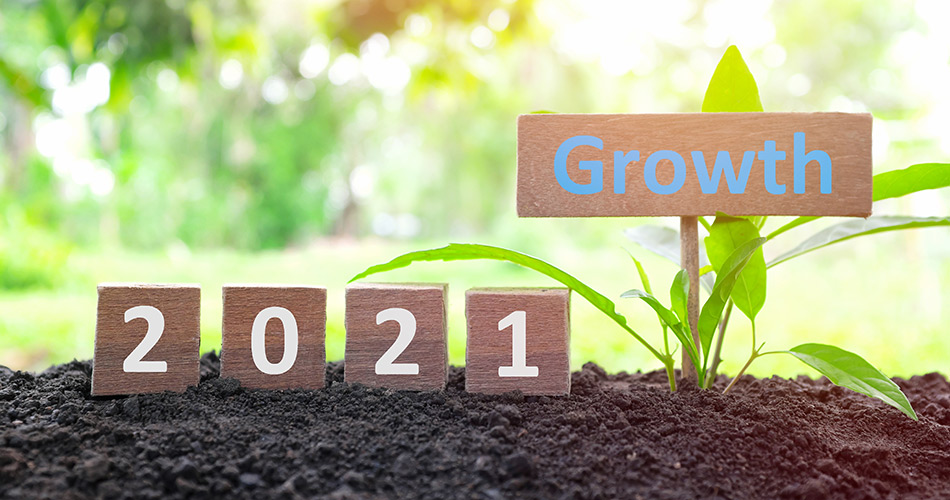
2021: A year to look forward to
As people return to their desks after the Christmas break, one might dare to hope that the heartburn can be quelled with a dose of optimism after the challenging year that has just passed. With this as a basis, along with eventually emerging from the global pandemic, Elliot believes 2021 should be ‘a year to look forward to’.
14 January 2021 |
|
|