Sustainability & Environment
To some, the almond is a villain. This admittedly tasty nut takes an extraordinary amount of water to grow 1.1 gallons per nut and some in California say almond cultivation has contributed to drought.
And so it is no surprise to see the almond lined up in the rogue’s gallery of the thirstiest foods. In a study in the journal Nature Food, University of Michigan (U-M) and Tulane University researchers assessed how the food we eat affects water scarcity.
Meat consumption was found to be the biggest culprit in the US, with the hooves and feet of livestock accounting for 31% of the water scarcity footprint. Within the meat category, beef is the thirstiest, with almost six times more water consumption than chicken.
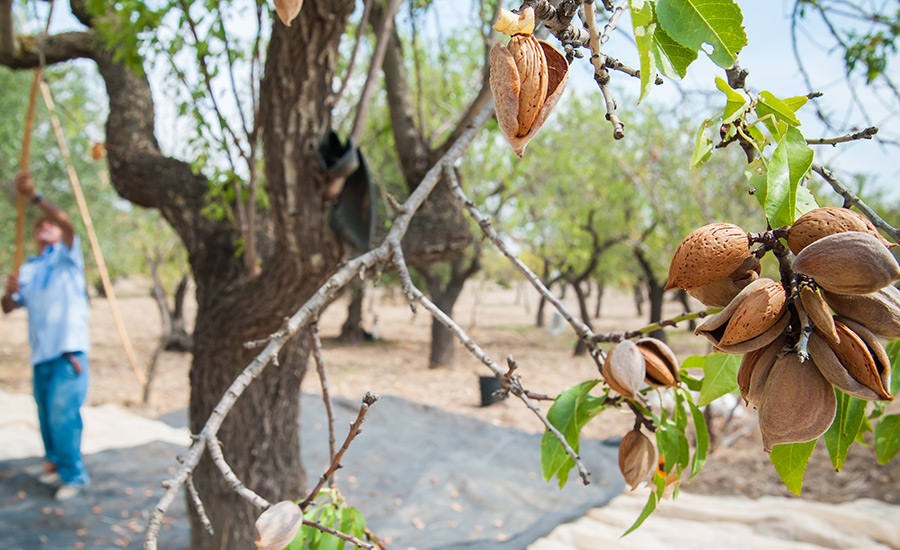
Almond crops in California have come under heavy criticism due to their heavy water consumption
However, the picture is a little more nuanced. Lead author Martin Heller, of U-M's School for Environment and Sustainability, explains: “Beef is the largest dietary contributor to the water scarcity footprint, as it is for the carbon footprint. But the dominance of animal-based food is diminished somewhat in the water scarcity footprint, in part because the production of feed grains for animals is distributed throughout less water-scarce regions, whereas the production of vegetables, fruits and nuts is concentrated in water-scarce regions of the United States, namely the West Coast states and the arid Southwest.”
Certain types of diets drain the water supply. People who eat large quantities of beef, nuts such as the infamous almond, walnut, and cashew, and a high proportion of water-intense fruits and vegetables including lemon, avocado, asparagus, broccoli, and cauliflower take a heavy toll on the water footprint.
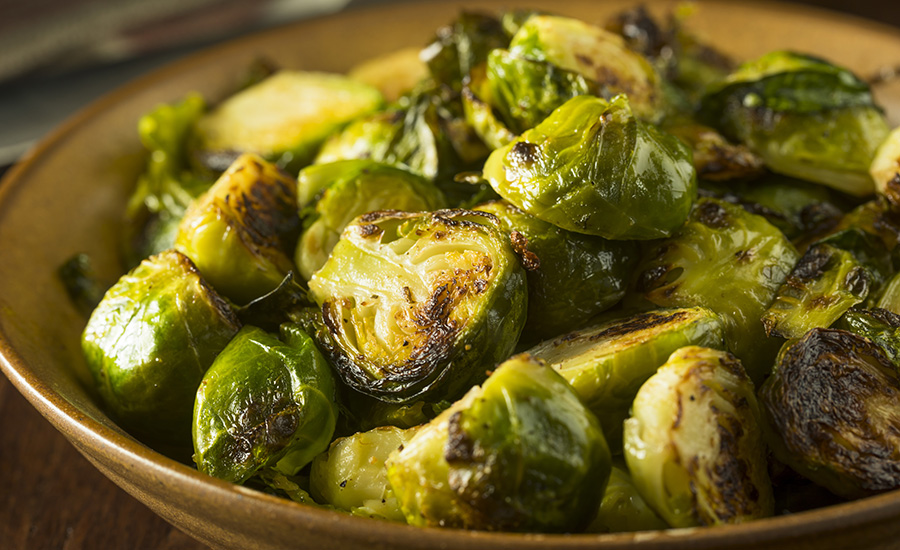
The Brussels sprout is not just for Christmas… it is a less water intense option for your dinner table.
“The water-use impacts of food production should be a key consideration of sustainable diets,” adds study co-author Diego Rose of Tulane University. “There is a lot of variation in the way people eat, so having a picture with this sort of granularity – at the individual level – enables a more nuanced understanding of potential policies and educational campaigns to promote sustainable diets.”
So, what do you do the next time you feel a pang of water guilt? According to the researchers, you could swear off asparagus and that crushed avocado on your toast and replace them with less water intense foods such as fresh peas, Brussels sprouts, cabbage, and kale (but maybe not on your toast). Those beef steaks and hamburgers could make way for other protein sources, such as chicken, pork, and soybeans, and you could graze on peanuts and seeds instead of those honey roasted almonds you love so dearly. Just think of all those gallons of water you’ll save.
For more on this study, visit: https://www.nature.com/articles/s43016-021-00256-2
19 April 2021 |
|


 |
|

Energy
Bit by bit, the green hydrogen revolution is coming to our shores. The news that a planning application has been filed for the UK’s largest electrolyser in Glasgow could be a boon for hydrogen evangelists, the local communities, and the political class.
The 20MW electrolyser will form part of the green hydrogen facility on the outskirts of Glasgow near Whitelee, the UK’s largest wind farm. The proposed project would produce up to 8 tonnes of green hydrogen each day – the equivalent of 550 return bus trips from Glasgow to Edinburgh.
If approved, the scheme would be delivered by ScottishPower, BOC, and ITM Power as part of the Green Hydrogen for Scotland Partnership. BOC would operate the facility using solar and wind power produced by Scottish Power and ITM Power would provide the all-important 20 MW electrolyser. Renewable energy would power the electrolyser, which would split the water into hydrogen and oxygen gas. The hydrogen produced by this process could then be used in various applications including transport.
Fundamentally, the people who will benefit most are the people of Glasgow, with the project aiming to provide carbon-free transport and clean air for people across the city area, while satisfying some industrial hydrogen demand. And we can all rest easy now that we know politicians will be pleased about it too, for the project coincides nicely with the United Nations 26th Climate Change Conference, which will be held in Glasgow later this year.
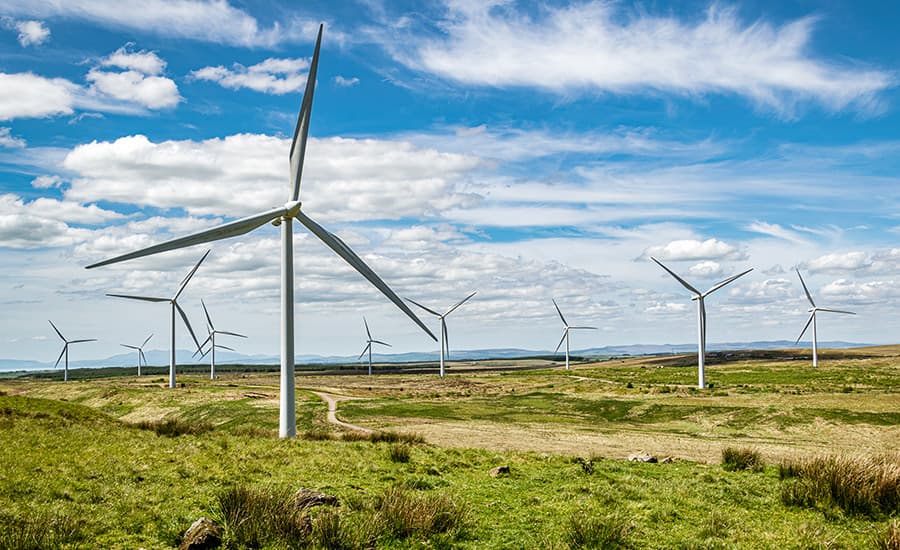
The new facility will be based beside a plentiful renewable energy source, Whiteless wind farm in Eaglesham Moor. | Editorial credit: Maritxu / Shutterstock.com
If all goes swimmingly, the facility will supply hydrogen for the commercial market by 2023. “Whitelee keeps breaking barriers, first the UK’s largest onshore wind farm, and soon to be home to the UK’s largest electrolyser,” says Barry Carruthers, ScottishPower’s Hydrogen Director. “The site has played a vital role in helping the UK to decarbonise and we look forward to delivering another vital form of zero carbon energy generation at the site to help Glasgow and Scotland achieve their net zero goals.”
Tumbling renewable prices
This exciting news follows on the back of some bold green hydrogen claims made in a recent Bloomberg New Energy Foundation (NEF) report: the 1H 2021 Hydrogen Levelised Cost Update. According to Martin Tengler, BloombergNEF’s Lead Hydrogen Analyst, the report authors believe the cost of renewable hydrogen could fall 85% by 2050, 17% lower than they had previously predicted. This, he says, is due to falling renewables prices.
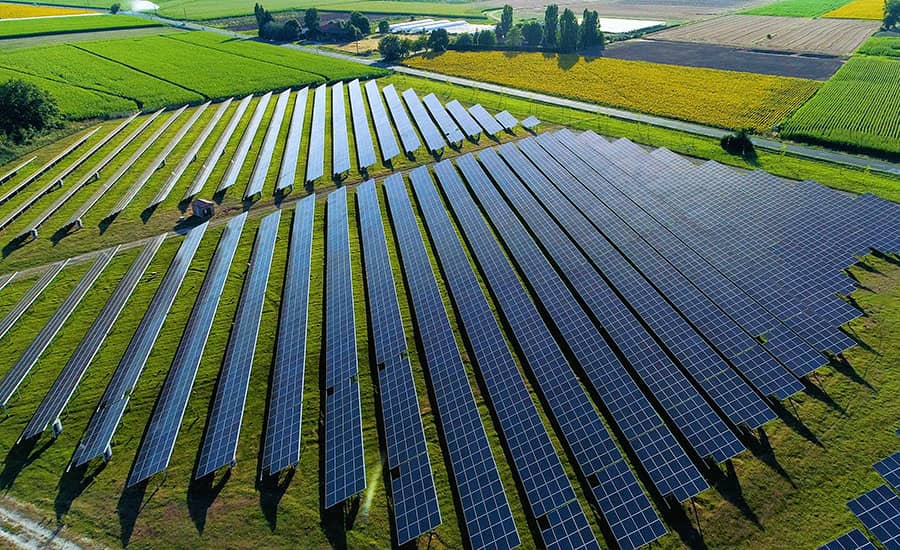
It is becoming cheaper all the time to produce solar and wind power, which is good news for those producing green hydrogen.
Tengler also says that renewable hydrogen should be cheaper than blue hydrogen (when natural gas is split into hydrogen and CO2 via processes such as steam methane reforming) in many countries by 2030. Furthermore, Bloomberg NEF predicts that green hydrogen will be cheaper to process than natural gas in many countries by 2050.
With the prices of solar and wind power constantly tumbling, it would be no surprise to see the authors of these reports revising their projections even further in the coming years. In the mean-time, we welcome the green shoots peeking through outside Glasgow.
15 April 2021 |
|
|
Health & Wellbeing
Many of us have contemplated buying a reconditioned phone. It might be that bit older but it has a new screen and works as well as those in the shop-front. I’m not sure, however, that any of us have thought of investing in a reconditioned liver – but it could be coming to a body near you.
Researchers based in São Paulo’s Institute of Biosciences have been developing a technique to create and repair transplantable livers. The proof-of-concept study published in Materials Science and Engineering by the Human Genome and Stem Cell Research Centre (HUG-CELL) is based on tissue bioengineering techniques known as decellularisation and recellularisation.

The organs of some donors are sometimes damaged in traffic accidents, but these may soon be transplantable if the HUG-CELL team realises its goal.
The decellularisation and recellularisation approach involves taking an organ from a deceased donor and treating it with detergents and enzymes to remove all the cells from the tissue. What remains is the organ’s extracellular matrix, containing its original structure and shape.
This extracellular matrix is then seeded with cells from the transplant patient. The theoretical advantage of this method is that the body’s immune system won’t rile against the new organ as it already contains cells from the patient’s own body, thereby boosting the chance of long-term acceptance.
However, the problem with the decellularisation process is that it removes the very molecules that tell cells to form new blood vessels. This weakens cell adhesion to the extracellular matrix. To get around this, the researchers have introduced a stage between decellularisation and recellularisation. After decellularising rat livers, the scientists injected a solution that was rich in the proteins produced by lab-grown liver cells back into the extracellular matrix. These proteins then told the liver cells to multiply and form blood vessels.
These cells then grew for five weeks in an incubator that mimicked the conditions inside the human body. According to the researchers, the results showed significantly improved recellularisation.
“It’s comparable to transplanting a ‘reconditioned’ liver, said Mayana Zatz, HUG-CELL’s principal investigator and co-author of the article. “It won't be rejected because it uses the patient’s own cells, and there’s no need to administer immunosuppressants.”
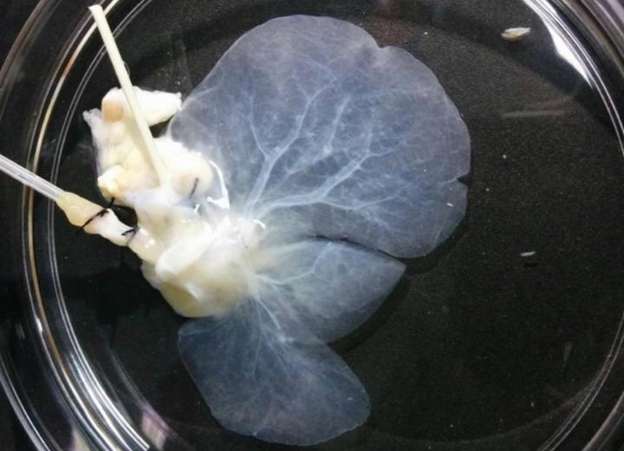
Extracellular matrix of a decellularised liver | Image Credit: HUG-CELL/USP
Obviously, there is a yawning gap between proof of concept and the operating theatre, but the goal is to scale up the process to create human-sized livers, lungs, hearts, and skin for transplant patients.
“The plan is to produce human livers in the laboratory to scale,” said lead author Luiz Carlos de Caires-Júnior to Agência FAPESP. “This will avoid having to wait a long time for a compatible donor and reduce the risk of rejection of the transplanted organ."
This technique could also be used to repair livers given by organ donors that are considered borderline or non-transplantable. “Many organs available for transplantation can’t actually be used because the donor has died in a traffic accident,” Caires-Júnior added. “The technique can be used to repair them, depending on their status.”
Even if we are at the early stages of this approach, it bodes well for future research. And for those on the organ transplant list, a reconditioned liver would be as good as a new one – complete with their very own factory settings.
Read the paper here: https://www.sciencedirect.com/science/article/abs/pii/S0928493120337814
12 April 2021 |
|
|
Careers
In this new series, members of the SCI Mid-Career group offer advice on career management and how to overcome career challenges.

In our latest interview, we hear from David Freeman, Research & Technology Director for Croda’s Energy Technologies business.
Please tell us about yourself and your career journey.
After a PhD in organic chemistry, I started my career with ICI Paints in Slough in 1998, working in a product development role. Within a couple of years, I moved to another ICI business, Uniqema, and had various technical roles around the chemical synthesis or process development of new materials.
These early roles – and the people I worked with during this time – had a big impact on me in terms of ways of working and how to deal with people. I subsequently joined Croda in 2006 and have since had further technical roles – initially around the technical management of Synthesis programmes in Croda, then technical management of Applications programmes, and finally on to my current role of R&T Director for Croda’s Energy Technologies business.
This last transition was probably the most interesting and challenging as it forced me to think much more strategically about the “what” rather than the “how” and what leadership versus management was all about. I see this area as being hugely important to the Mid-Career group.
What are your keys to managing your career at this stage?
Development remains really important to me from a personal perspective. I have always driven my own development, but been well supported by the organisations I’ve worked for: both by technical management teams and HR teams. At the mid-careers stage, there are lots of important things to think about but I consider the following to be key:
- (i) Self-understanding and feedback: make sure you understand your strengths and weaknesses and how these manifest themselves with colleagues by seeking open and honest feedback
- (ii) Get external perspectives on your areas of interest and expertise. This for me is really key in challenging thinking and bringing new ways of working and innovation to your role
- (iii) Understand the big picture: make sure you’re clear about what’s going on in the world at a high level and the part you and your organisation have to play in meeting these challenges.
What challenges are there around mid-career support?
I feel very fortunate to have worked for organisations where development is extremely important – support is always on hand when I need it. The key challenge is a personal one and it’s about making enough time to focus on the right development areas. We are all busy but if we want to develop ourselves enough, then we will find that time!
Related Links:
08 April 2021 |
|
|
Sustainability & Environment
When you live in a cold country, you think of hot days as a blessing. Air conditioning units are for those in far-away places – humid countries where the baked earth smell rises to meet you when you step off the plane.
But cooling comes at a cost. According to the UN Environment Programme, it accounts for 7% of global greenhouse gas emissions. Some of us are visual learners; so, the sheer cost of cooling really hit me when I stared up at an apartment building in Hong Kong with hundreds of air conditioning units perched above the windows like birds.
And it isn’t just the Hong Kongers feeling the heat. The cooling industry as a whole is under pressure to cut its greenhouse gas emissions. The International Energy Agency expects emissions from cooling to double by 2030 due to heat waves, population growth, urbanisation, and the growing middle class. By 2050, it forecasts that space cooling will consume as much electricity as China and India do today.

Air conditioning units cling to a building
All of this was captured by the Cooling Suppliers: Who's Winning the Race to Net Zero report released by the Race to Zero campaign, the Kigali Cooling Efficiency Program (K-CEP), Carbon Trust and other partners in the UN Environment Programme-hosted Cool Coalition.
This report's authors found that only five of the 54 cooling companies they assessed have committed to net-zero targets. The document outlines three areas that must be addressed on the Cooling Climate Pathway: super-efficient appliances, ultra-low global warming refrigerants, and the widespread adoption of passive cooling measures such as clever home design and urban planning.
So, while builders adjust window sizes, introduce trees for shading, and choose materials (such as terracotta cooling systems) thoughtfully to temper the sun’s gaze, others are availing of different methods.
For example, the COP26 (the 2021 UN Climate Change Conference) Champions Team has just released its Net Zero Cooling Action Plan that includes a Cool Calculator tool to help companies and governments run simple calculations to see where they could decarbonise their cooling systems. Similarly, the UK's Environmental Investigation Agency (EIA) has launched a net-zero cooling product guide that showcases energy-efficient products run on natural refrigerants.
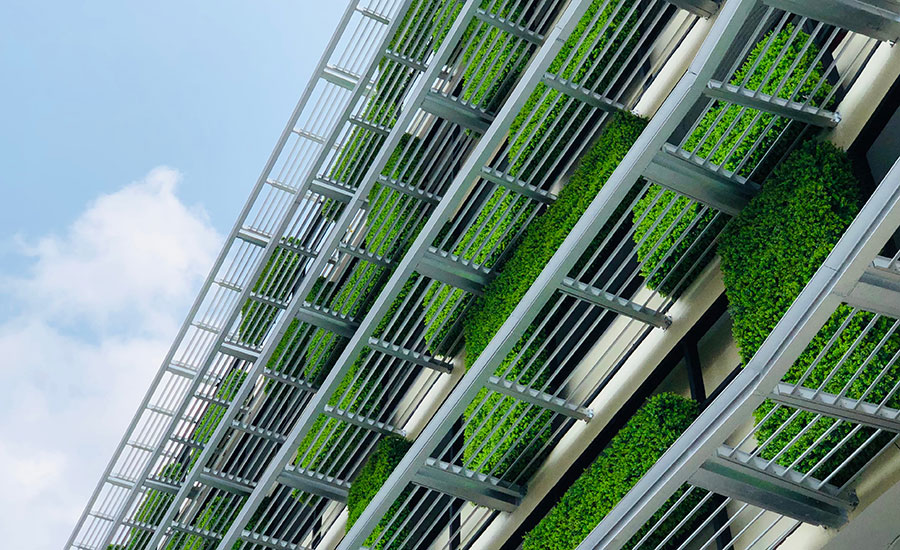
Green walls are one of many passive cooling approaches used to reduce our reliance on mechanical systems.
However, it’s clear that the softly-softly approach won’t suffice. The EIA has called on governments to do more to encourage organisations to adopt sustainable cooling, to make concrete policy commitments, and speed-up the phase-out of climate-warming refrigerants such as hydrofluorocarbons.
“The development and expansion of net-zero cooling is a critical part of our Race to Zero emissions,” said Nigel Topping, UK High Level Champion for COP26. “In addition to technological breakthroughs and ambitious legislation, we also need sustainable consumer purchasing to help deliver wholesale systems change.”
We all love the technological panacea – innovations that will cure all the climate ills we have inflicted on the world. But the solution will also involve stodgy government regulations and changing consumer habits, and a reliance on the continued fall in renewable power generation.
For those in traditionally cooler climes, it’s no longer someone else’s problem. It was a balmy 22°C in London this week and we’re not even in April yet. So, it’s certainly time to turn up the heat on the cooling industry.
01 April 2021 |
|
|
Agrifood
Variously known as zucchini, courgette, baby marrows and summer squash, this frost tender crop is a valuable addition for gardens and allotments. Originating in warm temperate America, the true zucchini was developed by Milanese gardeners in the 19th century and popularised in the UK by travellers in Italy. It quickly matures in 45 to 50 days from planting out in open ground by early May in the south and a couple of weeks later farther north.
Alternatively, use cloches as frost protection for early crops. Earliness is also achieved by sowing seed in pots of openly draining compost by mid-April in a greenhouse or cold frame. Courgettes have large, energy-filled seeds. Consequently, germination and subsequent growth are rapid.
Sow seed singly in 10cm diameter pots and plant out when the first 2-3 leaves are expanding (illustration number 1). Alternatively, garden centres supply transplants. These should be inspected carefully, avoiding those with yellowing leaves or wilting foliage. Each plant should have white healthy-looking roots without browning.
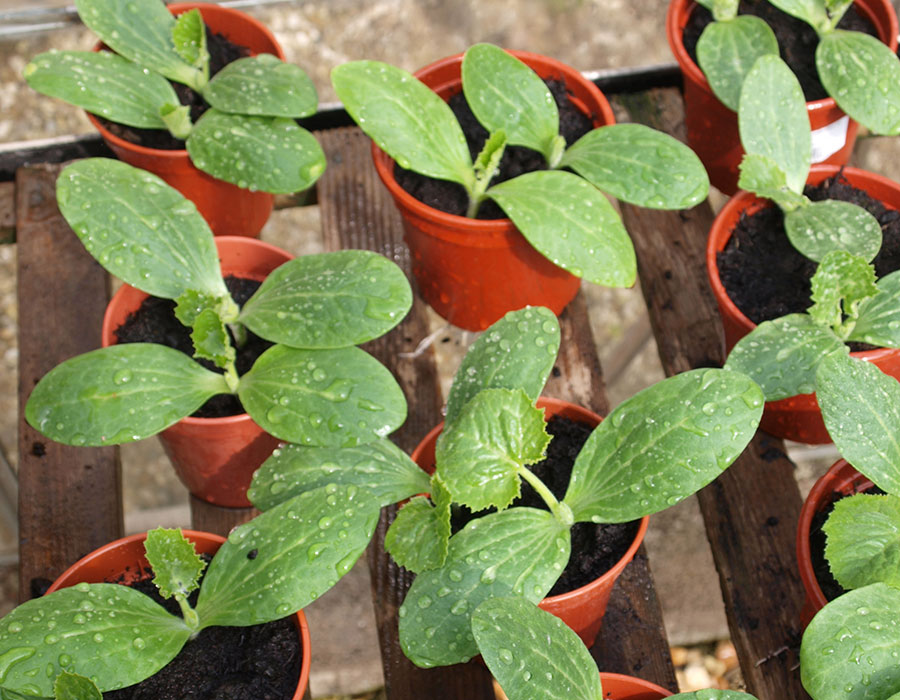
Illustration 1: Courgette seedlings germinated in a greenhouse.
Courgettes grow vigorously and each plant should be allocated at least 1 metre spacing within and between rows. They require copious watering and feeding with a balanced fertiliser containing equal quantities of nitrogen, phosphorus and potassium.
Botanically, they are dioecious plants, having separate male and female flowers, (illustration number 2). They are beloved by bees, hence supporting biodiversity in the garden. Slugs are their main pest, causing browsing wounds on courgette fruits; mature late-season foliage is usually infected by powdery mildew fungi that cause little harm.
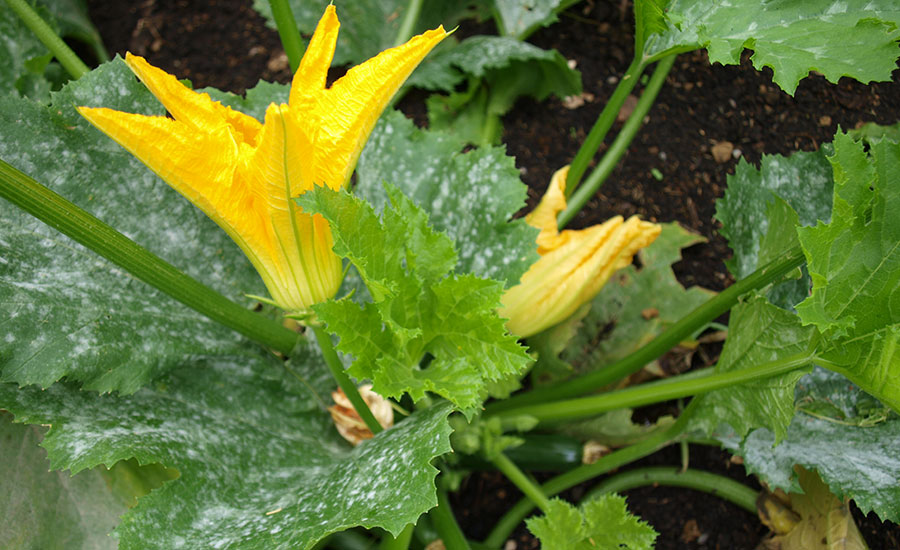
Illustration 2: Bee-friendly (and tasty) courgette flower.
Quick maturing succulent courgettes are hybrid cultivars, producing harvestable 15-25 cm long fruit (berries) before the seeds begin forming (illustration number 3). Harvest regularly at weekly intervals before the skins (epicarps) begin strengthening and toughening. Skin colour varies with different cultivars from deep green to golden yellow. The choice rests on gardeners’ preferences.
Courgettes are classed and cooked as vegetables and their dietary value is retained by steaming thinly sliced fruits. Courgettes are a low-energy food but contain useful amounts of folate, potassium and vitamin A (retinol). The latter boosts immune systems, helping defend against illness and infection and increasing respiratory efficiency. Eyesight is also protected by increasing vision in low light.
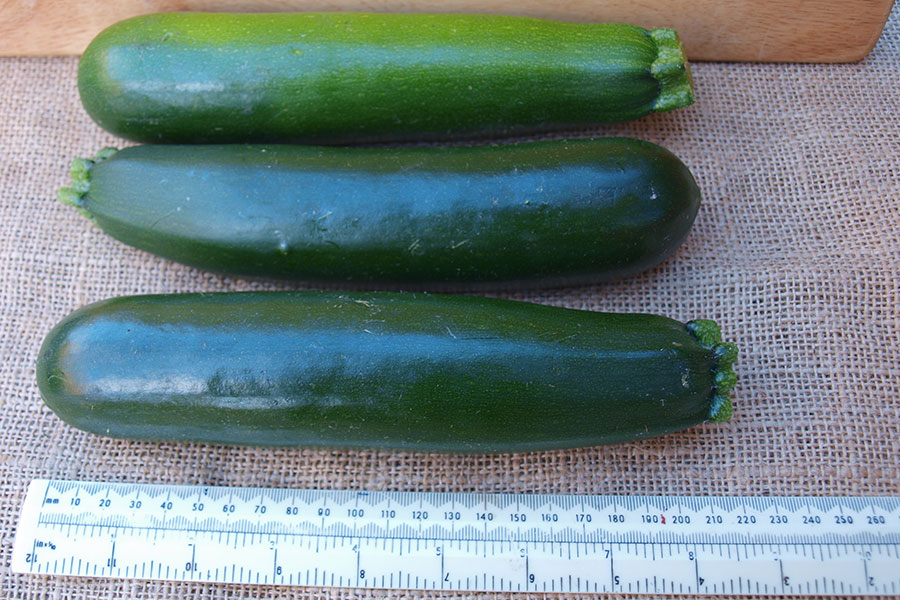
Illustration 3: Courgette fruit ready for the table.
Courgettes are, therefore, valuable dietary additions year-round. Courgette flowers are bonuses, used as garnishes or dipped in batter as fritters or tempura. Overall, the courgette is a most useful plant that provides successional cropping using ground vacated by over-wintered vegetables such as cabbage, Brussels sprouts or leeks.
Written by Professor Geoff Dixon, author of Garden practices and their science, published by Routledge 2019.
29 March 2021 |
|
|
Science & Innovation
Every day, there are subtle signs that machine learning is making our lives easier. It could be as simple as a Netflix series recommendation or your phone camera automatically adjusting to the light – or it could be something even more profound. In the case of two recent machine-learning developments, these advances could make a tangible difference to both microscopy, cancer treatment, and our health.
The first is an artificial intelligence (AI) tool that improves the information gleaned from microscopic images. Researchers at the University of Gothenburg have used this deep machine learning to enhance the accuracy and speed of analysis.
The tool uses deep learning to extract as much information as possible from data-packed images. The neural networks retrieve exactly what a scientist wants by looking through a huge trove of images (known as training data). These networks can process tens of thousands of images an hour whereas some manual methods deliver about a hundred a month.

Machine learning can be used to follow infections in a cell.
In practice, this algorithm makes it easier for researchers to count and classify cells and focus on specific material characteristics. For example, it can be used by companies to reduce emissions by showing workers in real time whether unwanted particles have been filtered out.
“This makes it possible to quickly extract more details from microscope images without needing to create a complicated analysis with traditional methods,” says Benjamin Midtvedt, a doctoral student in physics and the main author of the study. “In addition, the results are reproducible, and customised. Specific information can be retrieved for a specific purpose."
The University of Gothenburg tool could also be used in health care applications. The researchers believe it could be used to follow infections in a cell and map cellular defense mechanisms to aid the development of new medicines and treatments.
Machine learning by colour
On a similar thread, machine learning has been used to detect cancer by researchers from the National University of Singapore. The researchers have used a special dye to colour cells by pH and a machine learning algorithm to detect the changes in colour caused by cancer.
The researchers explain in their APL Bioengineering study that the pH (acidity level) of a cancerous cell is not the same as that of a healthy cell. So, you can tell if a cell is cancerous if you know its pH.
With this in mind, the researchers have treated cells with a pH-sensitive dye called bromothymol blue that changes colour depending on how acidic the solution is. Once dyed, each cell exudes its unique red, green, and blue fingerprint.
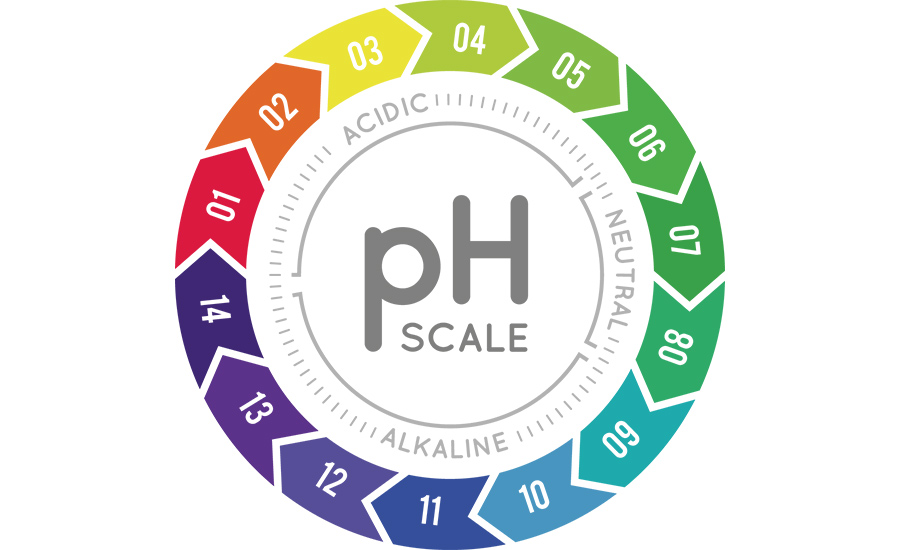
By isolating a cell’s pH, researchers can detect the presence of cancer.
The authors have also trained a machine learning algorithm to map combinations of colours to assess the state of cells and detect any worrying shifts. Once a sample of the cells is taken, medical professionals can use this non-invasive method to get a clearer picture of what is going on inside the body. And all they need to do all of this is an inverted microscope and a colour camera.
“Our method allowed us to classify single cells of various human tissues, both normal and cancerous, by focusing solely on the inherent acidity levels that each cell type tends to exhibit, and using simple and inexpensive equipment,” said Chwee Teck Lim, one of the study’s authors.
“One potential application of this technique would be in liquid biopsy, where tumour cells that escaped from the primary tumour can be isolated in a minimally invasive fashion from bodily fluids.”
The encouraging sign for all of us is that these two technologies are but two dots on a broad canvas, and machine learning will enhance analysis. There are certainly troubling elements to machine learning but anything that helps hinder disease is to be welcomed.
Machine Learning-Based Approach to pH Imaging and Classification of Single Cancer Cells:
https://aip.scitation.org/doi/10.1063/5.0031615
Quantitative Digital Microscopy with Deep Learning:
https://aip.scitation.org/doi/10.1063/5.0034891
23 March 2021 |
|
|
Sustainability & Environment
What do grape stalks, pineapple leaves, corn cobs, rice husks, sheep’s wool, and straw have in common? Apart from being natural materials, they have all been used to insulate homes. Increasingly, people are turning towards natural, sustainable materials as climate change and waste have become bigger problems.
Existing building insulation materials such as synthetic rock wool are excellent at keeping our homes warm in winter, but the conversation has moved beyond thermal performance. Energy use, re-usability, toxicity, and material disposal are all live considerations now, especially with regulations and emissions targets tightening. So, rock wool might perform better than straw bale insulation but straw is biodegradable, reusable, easy to disassemble, and doesn’t require large amounts of energy to process.
Sheep’s wool and hemp insulation have also become attractive to homeowners and housebuilders alike, but an even more encouraging prospect is the use of waste materials to create next generation insulation. In this spirit, researchers at Flinders University in Adelaide, Australia, have taken waste cooking oil, wool offcuts, and sulphur to process a novel housing insulation material.
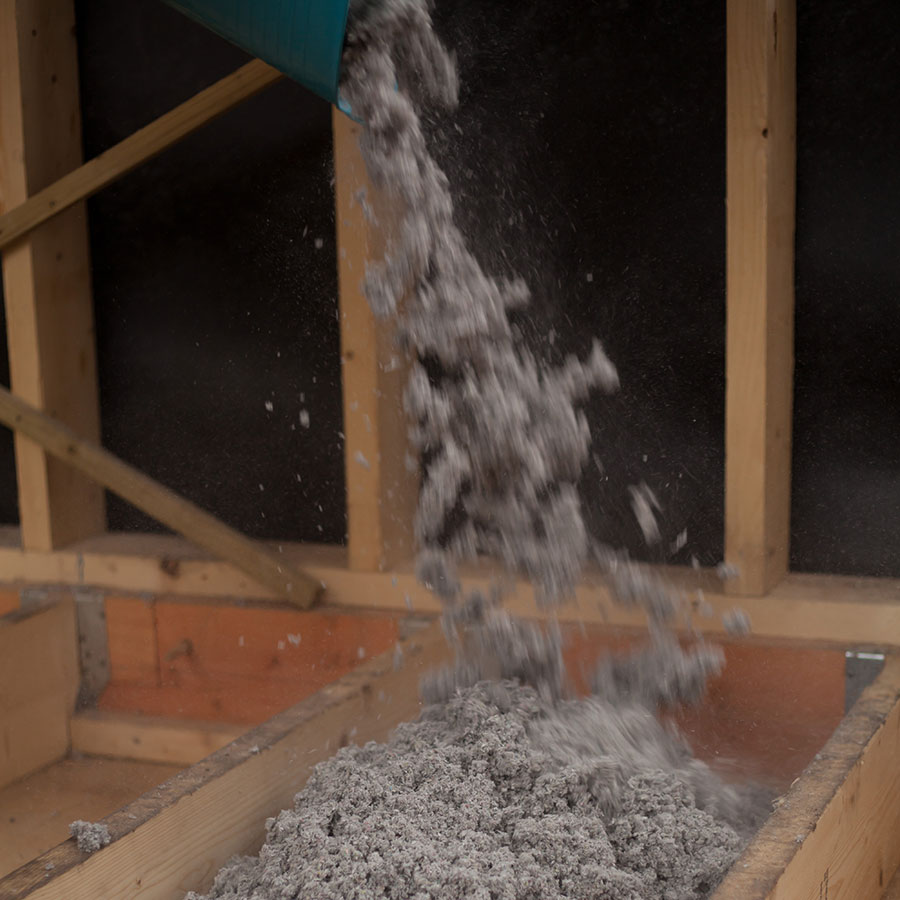
Recycled paper is one of many waste materials that has found its way into domestic insulation.
To make this composite, they followed several stages. In the first stage of the synthesis, the researchers used inverse vulcanisation to create a polysulphide polymer from canola oil triglyceride and sulphur. They then mixed this powdered polymer with wool and coated the fibres through electrostatic attraction. This mixture was compressed through mild heating to provoke S−S metathesis in the polymer and bind the wool. The wool bolsters the tensile strength of the material, makes it less flammable, and provides excellent insulation. The result is a sustainable building material that fulfils its function without damaging the environment.
For Associate Professor Justin Chalker, the lead author of this study, this work provides an ideal jumping-off point. “The promising mechanical and insulation properties of this composite bodes well for further exploration in energy saving insulation in our built environment,” he said.
Sustainable transformation
It is clear that ventures like the one in Adelaide will continue to sprout all over the world. After all, necessity dictates that we change the way we build our homes and treat materials.
A recent report from Emergen Research predicts that the global insulation materials market will be worth US $82.96 billion (£59.78 billion) by 2027. The same report was also at pains to mention that the increasing demand for reduced energy consumption in buildings will be a significant factor in influencing industry growth.
“Market revenue growth is high and expected to incline rapidly going ahead due to rising demand for insulation materials... to reduce energy consumption in buildings,” it said. One of the main reasons given for this increased green building demand was stricter environmental regulations.
And Emergen isn’t the only organisation feeling the ground moving. Online roofing merchant Roofing Megastore, which sells more than 30,000 roofing materials, has detected a shift towards environmentally friendly materials, with many homeowners sourcing these products themselves.
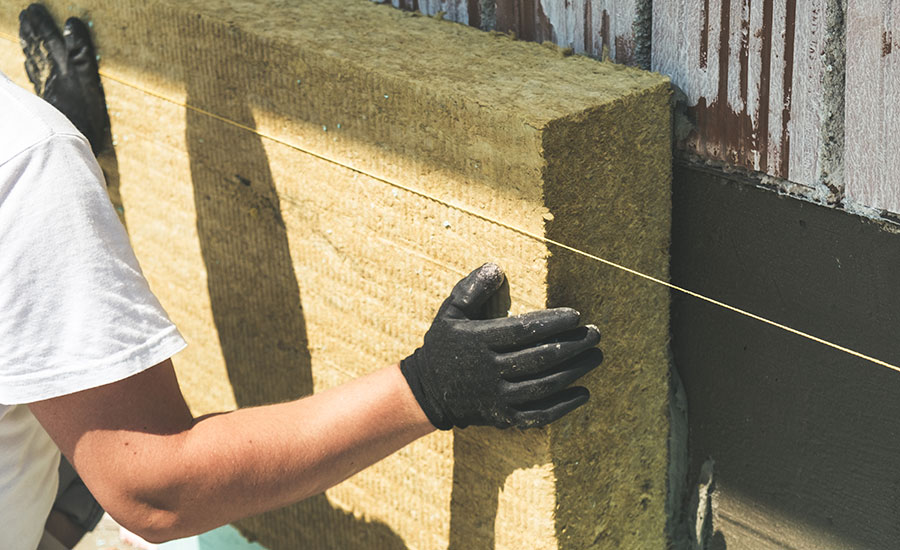
Rock wool insulation panels have come under greater scrutiny in recent times.
Having analysed two years of Google search data on sustainable building materials, the company found that synthetic roof tiles are generating the most interest from the public. Like the Flinders insulation, these roof tiles make use of waste materials, in this case recycled limestone and plastic. And you don’t need to look far down the list to find sustainable insulation materials, with sheep’s wool insulation in 9th place, wood fibre insulation in 10th, and hemp insulation in 12th.
Over time, the logic of the progression towards natural, less energy-intensive building materials will become harder to ignore. “Traditional materials such as synthetic glass mineral wool offer high levels of performance but require large amounts of energy to produce and must be handled with care while wearing PPE,” the company noted. “Natural materials such as hemp or sheep’s wool, however, require very little energy to create and can be installed easily without equipment.”
So, the next time you look down at your nutshells, spent cooking oil, or tattered woollen sweater, think of their potential. In a few years, these materials could be sandwiched between your walls, keeping you warm all winter.
Insulating composites made from sulphur, canola oil, and wool (2021): https://chemistry-europe.onlinelibrary.wiley.com/doi/10.1002/cssc.202100187?af=R
18 March 2021 |
|
|
Health & Wellbeing
Rising anxiety about air pollution, physical, and mental health, exacerbated by Covid-19 and concerns about public transport, has seen an increase in the popularity of cycling around Europe, leading many cities to transform their infrastructure correspondingly.
These days, Amsterdam is synonymous with cycling culture. Images of thousands of bikes piled up in tailor-made parking facilities continue to amaze and it is routinely held up as an example of greener, cleaner, healthier cities. Because The Netherlands is so flat, people often believe it has always been this way. But, in the 1970s, Amsterdam was a gridlocked city dominated by cars. The shift to cycling primacy took work and great public pressure.
For some cities, however, the pandemic has provided an unexpected opportunity on the roads. Milan's Deputy Mayor for Urban Planning, Green Areas and Agriculture, Pierfrancesco Maran, has explained that, "We tried to build bike lanes before, but car drivers protested". Now, however, numbers have increased from 1,000 to 7,000 on the main shopping street. "Most people who are cycling used public transport before”, he said. “But now they need an alternative”.
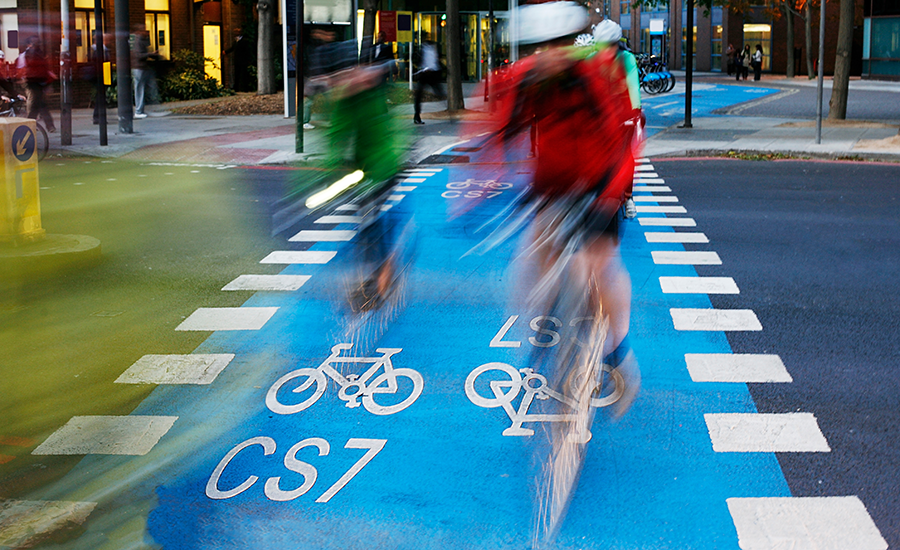
Creating joined up cycling networks is a major challenge for urban planners.
In Paris, the Deputy Mayor David Belliard does not seem concerned that the city’s investment since the start of the pandemic will go to waste. “It's like a revolution," he said. “Some sections of this road are now completely car-free. The more you give space for bicycles, the more they will use it.” They are committed to creating a cycle culture, providing free cycling lessons and subsidising the cost of bike repairs. The city intends to create more than 650km of cycle lanes in the near future.
The success in these two cities has been supported by local government but it has also been fuelled by an understandable (and encouraged) avoidance of public transport and fewer cars on the road generally. Going forward, however, it seems likely that those last two factors won’t be present. So how do you create a cycling culture in your city in the long run?
The answer is both simple and difficult: cyclists (and pedestrians) need to have priority over cars. In Brussels, where 40km of cycle track have been put down in the last year, specific zones have been implemented where this is the case, and speed limits have been reintroduced across the city.
In Copenhagen, in the late 1970s, the Danish Cyclists’ Federation arranged demonstrations demanding more cycle tracks and a return to the first half of the century, when cyclists had dominated the roads. Eventually, public pressure paid off — although there is still high demand for more cycle lanes. A range of measures, including changes made to intersections, make cyclists feel safer and local studies show that, as cyclist numbers increase, safety also increases. In many parts of the city, it is noticeable how little of the wide roads are actually available to cars: bikes, joggers, and pedestrians are all accommodated.

Segregated cycleways, like this one in Cascais, Portugal, make people more likely to cycle.
But, if you were starting from scratch, you might not simply add cycle lanes to existing roads and encourage behavioural changes on the road. Segregated, protected bike lanes like those introduced in Paris are the next level up and the results suggest they work — separated from the roads, more people are inclined to try cycling.
Dutch experts suggest, where possible, going even further. Frans Jan van Rossem, a civil servant specialising in cycling policy in Utrecht, believes the best option is to create solitary paths, separated from the road by grass, trees, or elevated concrete. Consistency is also important. Cities need networks of cycle tracks, not just a few highways. Again, prioritising cyclists is key to the Dutch approach. Many cities have roads where cars are treated as guests, restricted by a speed limit of 30km/hour and not permitted to pass. Signage is also key.
In London, Mayor Sadiq Khan’s target is for 80% of journeys to be made by walking, cycling, and/or public transport by 2041. Since 2018, the city has been using artificial intelligence to better understand road use in the city and plan new cycle routes in the capital. However, the experience of other European capitals suggests that, "if you build it, they will come" might be a better approach than working off current usage.
15 March 2021 |
|
|
Energy
A completely clean, renewable energy system that can be produced locally and that can easily power heat, energy storage and transportation, and travel — that's the future that promoters of a hydrogen economy envisage.
If it sounds a bit like rocket science, that's because it is. Hydrogen is what's used to fuel rockets — that’s how powerful it is. In fact, it’s three times more powerful as a fuel than gas or other fossil-based sources. And, after use, it’s frequently converted to drinking water for astronauts.
US President Joe Biden has highlighted the potential of hydrogen in his ambitious plans for economic and climate recovery and a number of recent reports have been encouraging about hydrogen’s breakthrough moment, including McKinsey and Company (Road Map to a US Hydrogen Economy, 2020) and the International Energy Agency.
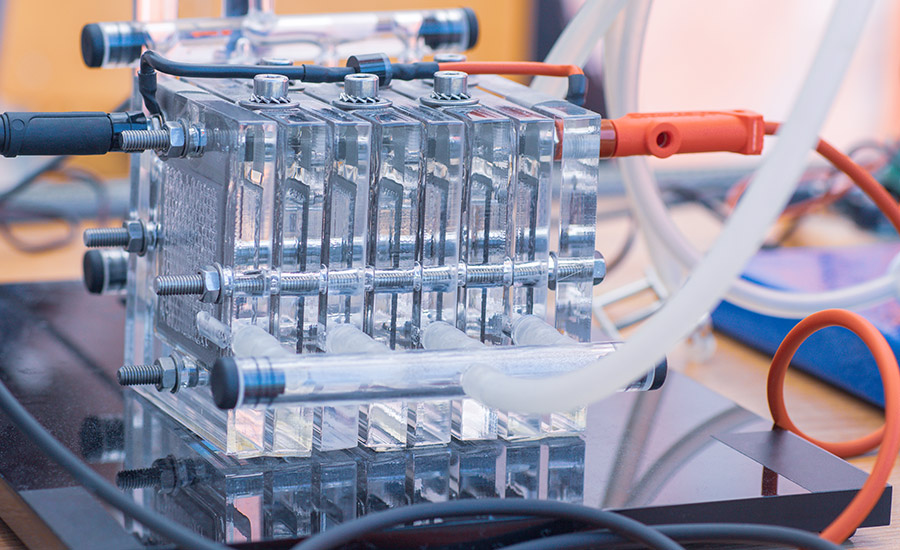
Hydrogen fuel cells provide a tantalising glimpse into our low-carbon future
The McKinsey report claims that, by 2030, the hydrogen sector could generate 700,000 jobs and $140bn in revenue, growing to 3.4 million jobs and $750bn by 2050. It also believes it could account for a 16% reduction in CO2 emissions, a 36% reduction in NOx emissions, and supply 14% of US energy demand.
So how does it work?
Simply put, hydrogen fuel cells combine hydrogen and oxygen atoms to produce electricity. The hydrogen reacts with oxygen across an electrochemical cell and produces electricity, water, and heat.
This is what gets supporters so excited. In theory, hydrogen is a limitless, incredibly powerful fuel source with no direct emissions of pollutants or greenhouse gases.
So what's the problem?
Right now, there are actually a few problems. The process relies on electrolysis and steam reforming, which are extremely expensive. The IEA estimates that to produce all of today’s dedicated hydrogen output from electricity would require 3,600TWh, more than the total annual electricity generation of the European Union.
Moreover, almost 95% of hydrogen currently is produced using fossil fuels such as methane, natural gas, or coal (this is called "grey hydrogen"). Its production is responsible for annual CO2 emissions equivalent to those of Indonesia and the United Kingdom combined. In addition, its low density makes it difficult to store and transport — it must be under high pressure at all times. It’s also well-known for being highly flammable — its use as a fuel has come a long way since the Hindenburg Disaster but the association still makes many people nervous.
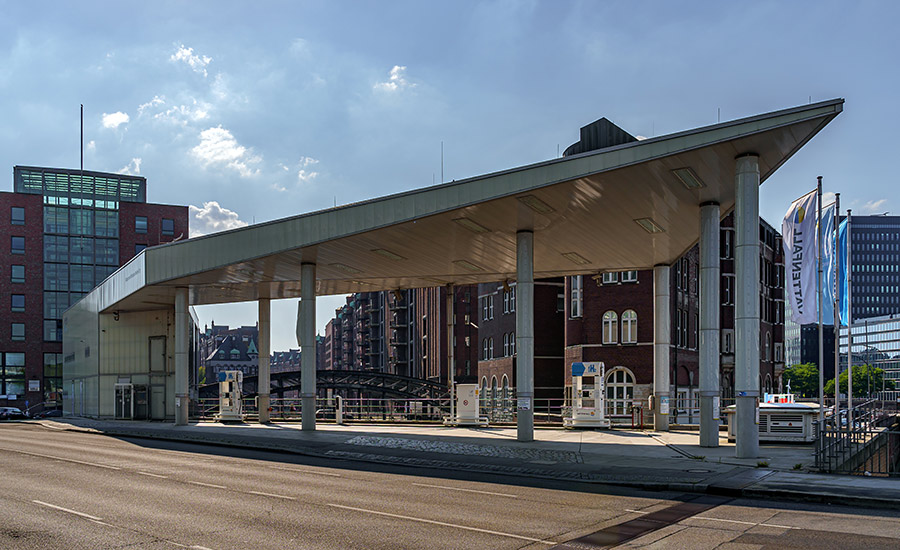
A Hydrogen refuelling station Hafencity in Hamburg, Germany. Infrastructure issues must be addressed if we are to see more hydrogen-fuelled vehicles on our roads. | Image credit: fritschk / Shutterstock.com
So there are quite a few problems. What’s the good news?
In the last few years, we've seen how rapidly investment, innovation, and infrastructure policy can completely transform individual renewable energy industries. For example, the IEA analysis believes the declining costs of renewables and the scaling up of hydrogen production could reduce the cost of producing hydrogen from renewable electricity 30% by 2030.
Some of the issues around expense could be resolved by mass manufacture of fuel cells, refuelling equipment, and electrolysers (which produce hydrogen from electricity and water), made more likely by the increased interest and urgency. Those same driving forces could improve infrastructural issues such as refuelling stations for private and commercial vehicles, although this is likely to require coordination between various stakeholders, including national and local governments, industry, and investors.
The significant gains in renewable energy mean that “green” hydrogen, where renewable electricity powers the electrolysis process, is within sight.
The IEA report makes clear that international co-operation is “vital” to progress quickly and successfully with hydrogen energy. R&D requires support, as do first movers in mitigating risks. Standards need to be harmonised, good practice shared, and existing international infrastructure built on (especially existing gas infrastructure).
If hydrogen can be as efficient and powerful a contributor to a green global energy mix as its proponents believe, then it's better to invest sooner rather than later. If that investment can help power a post-Covid economic recovery, even better.
11 March 2021 |
|
|
Agrifood
Broad beans are an undemanding and valuable crop for all gardens. Probably originating in the Eastern Mediterranean and grown domestically since about 6,000BC, this plant was brought to Great Britain by the Romans.
Header image: a rich harvest of succulent broad beans for the table
Capable of tolerating most soil types and temperatures they provide successional fresh pickings from June to September. Early crops are grown from over-wintered sowings of cv Aquadulce. They are traditionally sown on All Souls Day on 2 November but milder autumns now cause too rapid germination and extension growth. Sowing is best now delayed until well into December. Juicy young broad bean seedlings offer pigeons a tasty winter snack, consequently protection with cloches or netting is vital insurance.
From late February onwards dwarf cultivars such as The Sutton or the more vigorous longer podded Meteor Vroma are used. Early cropping is promoted by growing the first batches of seedlings under protection in a glasshouse. Germinate the seed in propagating compost and grow the resultant seedlings until they have formed three to four prominent leaflets. Plant out into fertile, well-cultivated soil and protect with string or netting frameworks supported with bamboo canes to discourage bird damage.
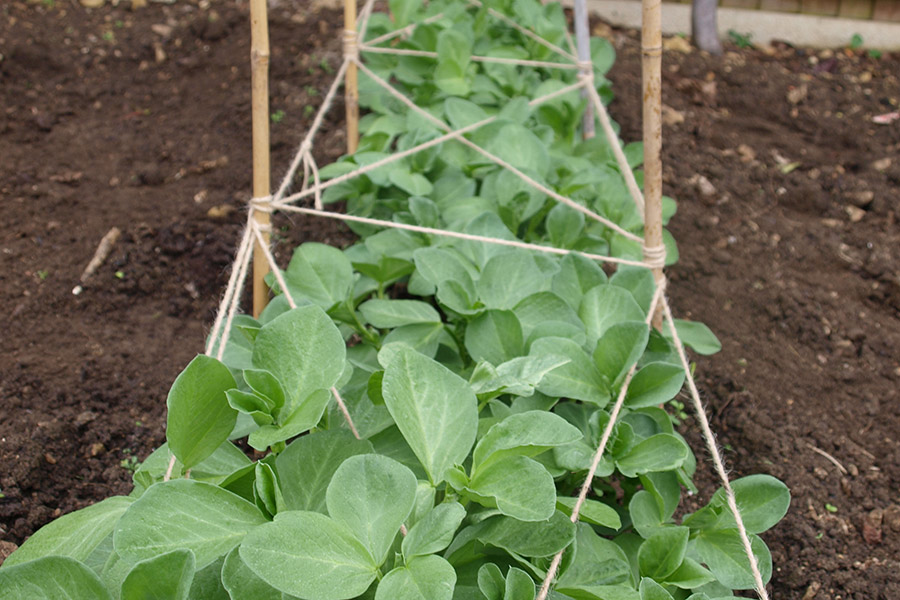
Young broad bean plants supported by string and bamboo canes
More supporting layers will be required as the plants grow and mature. Later sowings are made directly into the vegetable garden. As the plants begin flowering remove the apical buds and about two to three leaves. This deters invasions by the black bean aphid (Aphis fabae). Winged aphids detect the lighter green of upper foliage of broad beans and navigate towards them!
Allow the pods ample time for swelling and the development of bean seeds of up to 2cm diameter before picking. Beware, however, of over-mature beans since these are flavourless and lack succulence. Broad beans have multiple benefits in the garden and for our diets. They are legumes and hence the roots enter mutually beneficial relationships with nitrogen fixing bacteria. These bacteria are naturally present in most soils. They capture atmospheric nitrogen, converting it into nitrates which the plant utilises for growth. In return, the bacteria gain sources of carbohydrates from photosynthesis.
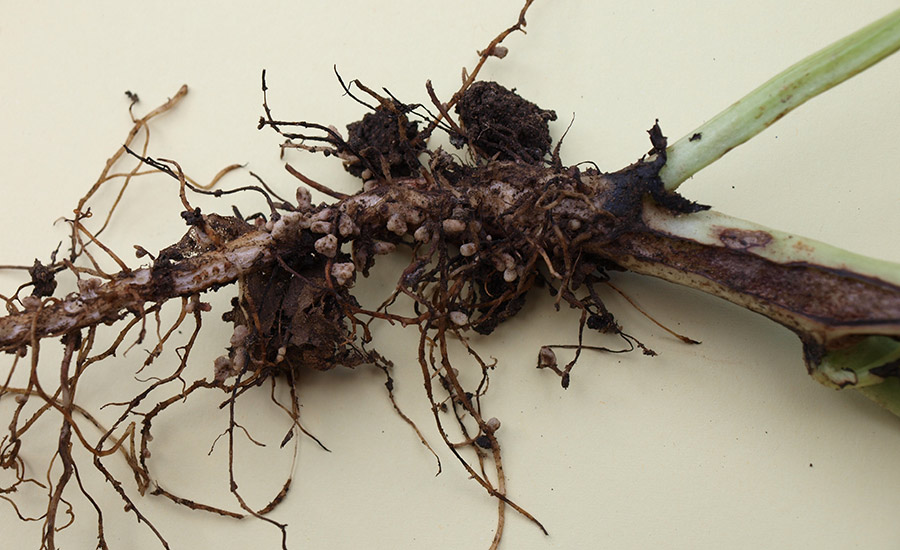
Broad bean root carrying nodules formed around colonies of nitrogen fixing bacteria
Broad beans are pollinated by bees and other beneficial insects. They are good sources of pollen and nectar, encouraging biodiversity in the garden. Nutritionally, beans are high in protein, fibre, folate, Vitamin B and minerals such as manganese, phosphorus, magnesium and iron, therefore cultivating healthy living. Finally, they form extensive roots, improving soil structure, drainage and reserves of organic nitrogen. Truly gardeners’ friends!
Professor Geoff Dixon, author of Garden practices and their science (ISBN 978-1-138-20906-0) published by Routledge 2019.
08 March 2021 |
|
|
Agrifood
Thinking of popping to your nearest specialist store for some sesame oil, turmeric, or soy? Some things haven't changed in 3,700 years, it turns out...
At least, that's what a growing new field of research, palaeoproteomics, suggests. Human mouths are full of bacteria, which continually petrify and form dental calculus — which can entrap and preserve tiny food particles. These remnants can be accessed and analysed thousands of years later, providing remarkable insight into the dietary habits of our ancestors.
Philip Stockhammer, an archaeologist at the Ludwig Maximilian University of Munich (LMU), has worked with Christina Warinner, a molecular archaeologist at Harvard University and the Max Planck Institute for the Science of Human History, and a team of researchers to apply this new method to the eastern Mediterranean, including the Bronze Age site of Megiddo and the Early Iron Age site of Tel Erani.
“Our high-resolution study of ancient proteins and plant residues from human dental calculus is the first of its kind to study the cuisines of the ancient Near East,” said Warinner, explaining its significance. “Our research demonstrates the great potential of these methods to detect foods that otherwise leave few archaeological traces. Dental calculus is such a valuable source of information about the lives of ancient peoples.”

High-resolution analyses of ancient dental calculus have given us a whole new perspective on the diets of Bronze Age people.
The research team took samples from a range of individuals and analysed which food proteins and plant residues were preserved in their teeth. “This enables us to find traces of what a person ate,” said Stockhammer. “Anyone who does not practice good dental hygiene will still be telling us archaeologists what they have been eating thousands of years from now!”
Of course, it's not quite as simple as looking at the teeth of those who didn't thoroughly clean them nearly four millennia ago and hoping the proteins survived. “Interestingly, we find that allergy-associated proteins appear to be the most stable in human calculus”, remarked Ashley Scott, LMU biochemist and lead author. That might be because of the known thermostability of many allergens. For instance, the researchers were able to detect wheat via wheat gluten proteins, which they independently confirmed with a different method using a type of plant microfossil known as phytoliths.
This substance has previously been used to identify millet and date palm in the same area during the Bronze and Iron Ages but phytoliths are not plentiful or even present in many foods, which is why this research is so exciting — palaeoproteomics means foods that have left few other traces, such as sesame, can now be identified.
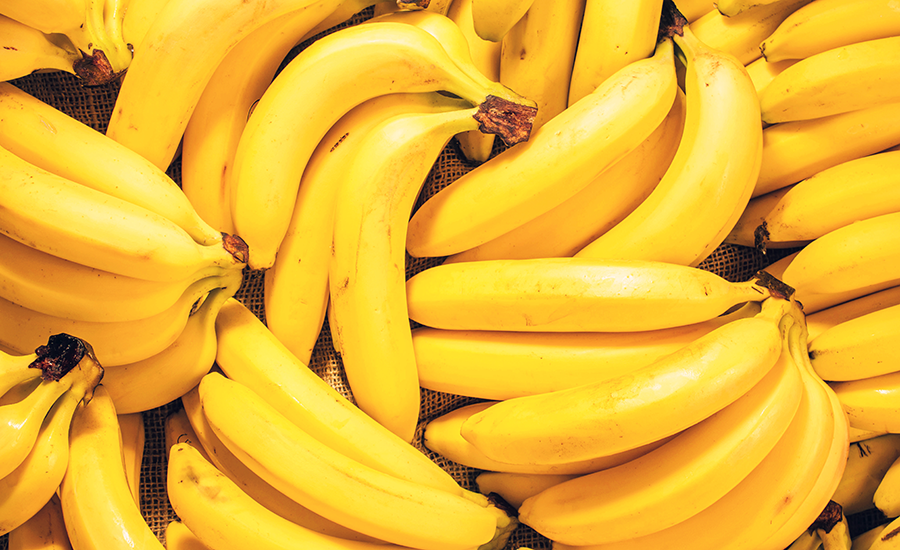
Research suggests that the humble banana was eaten throughout the Mediterranean far earlier than first thought.
The method has allowed the team to identify that people at these sites ate, among other things, sesame, turmeric, soy, and bananas far earlier than anyone had realised. “Exotic spices, fruits and oils from Asia had thus reached the Mediterranean several centuries, in some cases even millennia, earlier than had been previously thought,” explained Stockhammer.
The finds mean that we have direct evidence for a flourishing long-distance trade in fruits, spices, and oils, from East and South Asia to the Levant via Mesopotamia or Egypt as early as the second millennium BCE.
More than that, the analyses "provide crucial information on the spread of the banana around the world. No archaeological or written evidence had previously suggested such an early spread into the Mediterranean region,” according to Stockhammer (although the sudden appearance of bananas in West Africa a few centuries later has previously led archaeologists to believe that such a trade might have existed, this is the first evidence).
The team acknowledged that other explanations are possible, including that the individuals concerned had travelled to East or South Asia at some point but there is evidence for other trade in food and spices in the Eastern Mediterranean — for instance, we know Pharaoh Ramses II was buried with peppercorns from India in 1213 BCE.
But it certainly seems like some foods might have been popular in the Mediterranean for much longer than we realised, which might be an interesting thought to accompany you next time you add some spices or bananas to your shopping basket.
01 March 2021 |
|
|