Agrifood
Main image: Pea crop | Image credit: Geoff Dixon
Peas are a very rewarding garden crop. Husbandry is very straightforward, producing nutritious yields and encouraging soil health by building nitrogen reserves for future crops.
Rotations usually sequence cabbages and other nitrogen-demanding crops after peas. This is a sustainable way to use the organic nitrogen reserves left by pea roots resulting from their mutually beneficial association with benign bacteria. These microbes capture atmospheric nitrogen, producing ammonia, nitrites and nitrates in a sequence of natural steps.
Peas originated in the Mediterranean. They were cultivated continuously by ancient civilisations and through medieval times, and are now the seventh most popular vegetable.
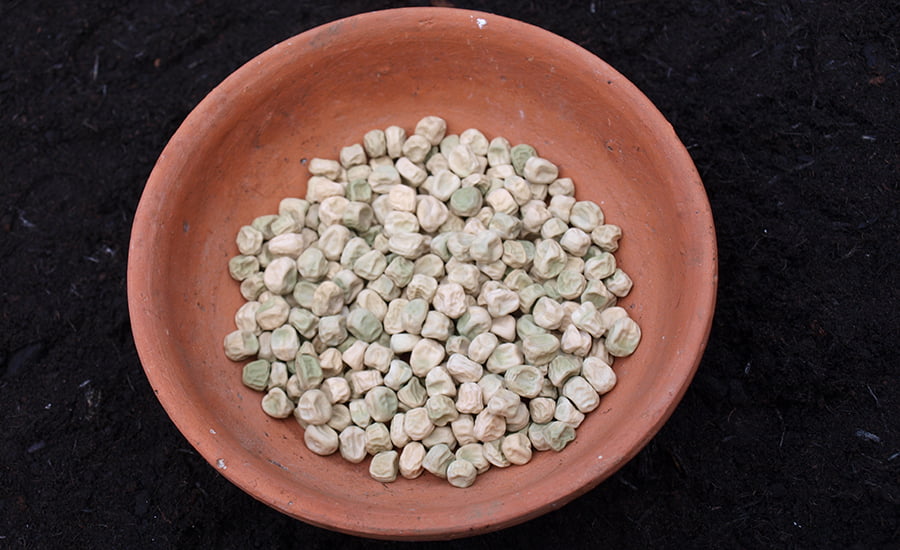
Illustration 1: Pea seeds | Image credit: Geoff Dixon
In bygone centuries, peas provided a protein source for the general population as cooked meals of pea soup and pease pudding helped keep famine at bay before the introduction of potatoes. In the 18th century, French gardeners working for the aristocracy produced fresh peas using raised and protected beds of fermenting animal manure. The composting processes produced heat and released carbon dioxide, stimulating rapid growth.
Generally, however, eating fresh peas only gained popularity in the 20th century as canned and then quick-frozen foods were invented, and large-scale technological development enabled mechanised and automated commercial precision cropping. In recent times, retail market demand has returned for unshelled podded peas – a manually picked crop known colloquially as ‘pulling peas’.
How to grow peas
Seeds can be sown directly (illustration 1) or transplants (illustration 2) can be raised under protection, giving an early boost for growth and maturity. Peas are cool season crops. They grow best at 13-18°C and mature about 60 days after sowing.
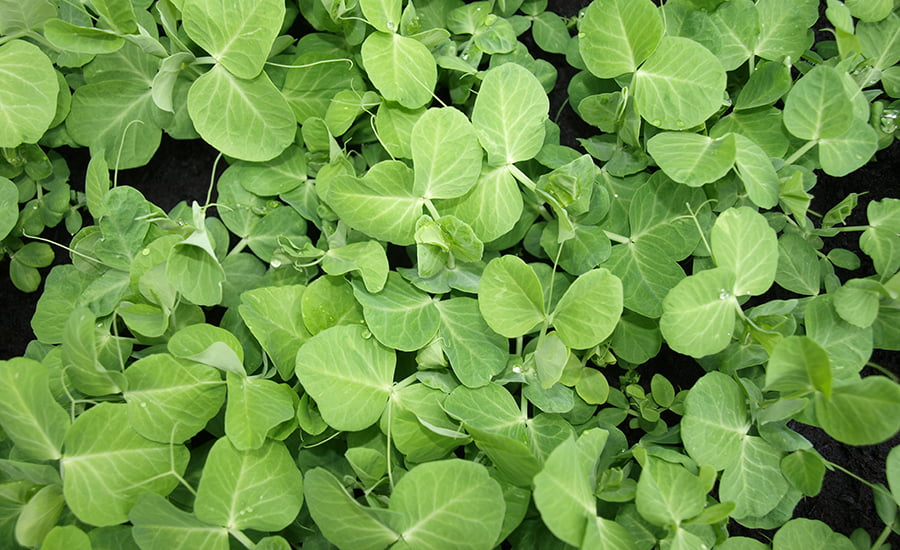
Illustration 2: Pea seedlings | Image credit: Geoff Dixon
Some cultivars such as Meteor can be grown over winter, preferably protected with cloches for very early cropping. The spring sown The Sutton cultivar group (CV) gives rapid but modest returns, and main crop CVs, such as Hurst Green Shaft, deliver the heaviest returns (illustration 2). This cultivar forms several long, well-filled pods at the fruiting nodes.
Sugar peas or mange tout – where the entire immature pod is eaten – is a popular fresh crop, while quick-growing pea shoots that mature in 20 days from sowing are excellent additions for salads or as garnishes for warm cuisine.
Human health benefits significantly by including peas in the diet. As well as being an excellent protein source, they produce a range of vitamins and nutrient elements. Their coumestrol content aids the control of blood sugar levels, helping combat diabetes, heart diseases and arthritis.
So, it’s certainly worth finding a spot for this versatile vegetable in your garden.
Written by Professor Geoff Dixon, author of Garden practices and their science.
26 July 2021 |
|


 |
|

Agrifood
Think of Earth as an apple and the soil as the peel. Now, imagine that more than 70% of this apple’s surface is covered in water. That veneer of peel suddenly seems very small indeed.
Dig beneath the surface and you realise that the world’s soil resources aren’t as plentiful as you first thought. When you take into account all of the uninhabitable, non-arable land on our planet, including the snow-bound poles and deserts, you’re left with just 3% of total landmass to grow all the fruit and vegetables we eat.
After reminding her listeners of some stark facts at the Soil resources in the UK: overlooked and undervalued? webinar, Jane Rickson, Professor of Soil Erosion and Conservation at Cranfield University, reminded us that soil is a precious, finite resource. “We’re dealing with a very thin resource that has to deliver all of these goods and services.”
You just need to think of your breakfast, lunch, and dinner to realise just how important soil is. Of all the food we eat, 97% comes from terrestrial sources. However, in recent decades, the many benefits brought by soil have been taken lightly. Apart from providing food, animal fodder, and a surface for football, it plays a vital role in climate change mitigation.
‘Soil is excellent for climate change mitigation,’ said Professor Rickson, recipient of the prestigious Dr Sydney Andrew Medal for 2021. ‘We know that healthy soils can support vegetation and crops and plants in taking out atmospheric CO2.’

A cross section of soil layers. Unless you live on fish and seaweed, it’s likely that almost all of your food sources will come from terrestrial sources.
However, she and her colleagues at Cranfield University have unearthed some unsettling facts about the state of our soils. She mentioned that 12 million hectares of agricultural land worldwide is lost each year due to soil degradation. In the UK, soil erosion rates can be as high as 15 tonnes per hectare per year, with soil formation rates only compiling at a rate of 1 tonne per hectare per year; and, based on current rates of erosion, some soils could disappear completely by 2050.
So, what is being done to arrest this problem? The obvious mammoth in the room is climate change, with extreme weather events such as flash floods precipitating a huge amount of soil erosion. Obviously, climate change mitigation measures on a national scale would help, but adjustments to farming practices could also improve soil resilience on a more local level.
A lot of work is also being done to reduce the intensity of farming to improve soil health. The aim, according to Rickson, is to maintain a fertile seedbed while retaining maximum resistance to soil degradation. There are lots of different ways to do this.
One approach being taken is cover cropping, whereby a crop is grown for the protection and enrichment of the soil rather than for immediate sale. This enriches the soil and helps prevent soil erosion. Another approach is strip-tillage – a minimum tillage system that disturbs only the portion of the soil that contains the seed row, with the soil between rows left untilled. She also mentioned the benefits of soil improvement, with poultry manure and mushroom compost used to improve soil health by Benedict Unagwu among others.
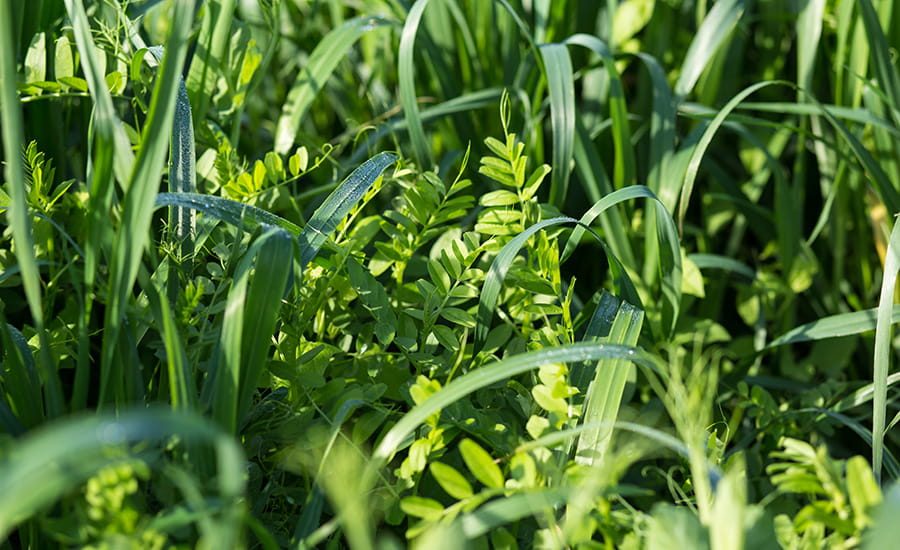
Cover crops such as vetch and oats improve the structure and fertility of the soil.
It is difficult not to have sympathy for farmers at the moment. Climate change falls heavily upon their lands, and they must battle flooding and drought to keep their farms financially viable. Professor Rickson often speaks to the farming community about soil health, with the focus placed on realistic solutions. As one farmer told her: ‘It's hard to be green when you’re in the red.’
Perhaps soil doesn’t capture the imagination the same way as an oak forest or a field ablaze with wildflowers, but its mismanagement is costing us a fortune. She estimated that the combined annual economic cost of soil degradation in England, Scotland, and Wales is £1.5 billion.
According to Professor Rickson, the US is probably the home of soil conservation following the harsh ecological lessons learnt from the Dust Bowl disaster of the 1930s. However, she believes the UK has plenty of knowhow in the area.
‘The UK has an opportunity to be world-leading in this,’ she said. ‘I think we are as good as anyone. Our scientific community understands soil and is really pushing the boundaries in terms of soil science.’
06 July 2021 |
|
|
Science & Innovation
Which technologies will propel industry forward and give companies that competitive advantage? According to digital consultancy McKinsey Digital’s Tech Trends Index, several technologies will have a profound and disruptive impact on industries including the chemical sector. So, which ones will have the biggest effect on the way you work in the coming decade?
1: Automation
By 2025, more than 50 billion devices around the world will be connected to the Industrial Internet of Things (IIOT) and about 600,000 industrial robots a year will be in place from 2022. The combination of these, along with industrial processes such as 3D and 4D printing, will speed up processing and improve operational efficiency.
According to McKinsey, 50% of today’s work practices could be automated by 2022 as ever more intelligent robots (in physical and software form) increase production and reduce lead times. So, how does this change look in the real world?

According to the McKinsey Tech Trends Index, 10% of today’s manufacturing processes will be replaced by additive manufacturing by 2030.
According to the Tech Trends Index, one large manufacturer has used collaborative robots mounted on automatic guided vehicles to load pallets without human involvement, while an automotive manufacturer has used IIOT to connect 122 factories and 500 warehouses around the world to optimise manufacturing and logistics, consolidate real-time data, and boost machine learning throughput.
2: Next generation computing
An almost incredible 368,000 patents were granted in next generation computing in 2020. Advanced computing will speed up the processing of reams of data to optimise research and cut development times for those in the chemicals and pharmaceuticals industries, accelerate the use of autonomous vehicles, and reduce the barriers to industry for many eager entrants.
‘Next-generation computing enables further democratisation of AI-driven services, radically fast development cycles, and lower barriers of entry across industries,’ the index notes. ‘It promises to disrupt parts of the value chain and reshape the skills needed (such as automated trading replacing traders and chemical simulations, reducing the need for experiments).’
According to McKinsey, AI will also be applied to molecule-level simulation to reduce the empirical expertise and testing needed. This could disrupt the materials, chemicals, and pharmaceuticals industries and lead to highly personalised products, especially in medicine.
3: The Bio-revolution
It doesn’t take much investigation before you realise that the bio-revolution has already begun. Targeted drug delivery and smart watches that analyse your sweat are just two ways we’re seeing significant change.
The Tech Trends Index claims the confluence of biological science and the rapid development of AI and automation are giving rise to a revolution that will lead to significant change in agriculture, health, energy and other industries.
In the health industry, it seems we are entering the age of hyper-personalisation. The Index notes that: ‘New markets may emerge, such as genetics-based recommendations for nutrition, even as rapid innovation in DNA sequencing leads ever further into hyper personalised medicine.’ One example of this at work in the agri-food industry is Trace Genomics’ profiling of soil microbiomes to interpret health and disease-risk indicators in farming.
4: Advanced materials
It’s no secret that we will need to develop lighter materials for transport, and others that have a lighter footprint on our planet. According to McKinsey, next generation materials will enhance the performance of products in pharma, energy, transportation, health, and manufacturing.
For example, molybdenum disulfide nanoparticles are being used in flexible electronics, and graphene is driving the development of 2D semiconductors. Computational materials science is another area of extraordinary potential. McKinsey explains: ‘More new materials are on the way as computational-materials science combines computing power and associated machine-learning methods and applies them to materials-related problems and opportunities.’

5G networks will help take autonomous vehicles from tentative - to widespread use.
So, which sorts of advanced materials are we talking about? These include nanomaterials that enable more efficient energy storage, lighter materials for the aerospace industry, and biodegradable nanoparticles as drug carriers within the human body.
These are just four of the 10 areas explored in the fascinating McKinsey Digital’s Tech Trends report. To read more about the rest, visit: https://www.mckinsey.com/business-functions/mckinsey-digital/our-insights/the-top-trends-in-tech
22 June 2021 |
|
|
Agrifood
The iris family (Iridaceae) provides gardeners with a glorious array of colourful and frequently well scented flowers. Originating from both tropical and temperate regions, some such as freesias are best cultivated under protection. Others such as gladioli and crocus are reliable garden plants.
Iris, or fleur-de-lis, is one of the larger genera, offering colour and interest from the very earliest springtime through to May and June. The earliest and always most welcome is Iris unguicularis (previously Iris stylosa). Flowers (see illustration 1) emerge in the darkest days of December, encouraged by the warming effects of climate change.

Illustration 1: Iris unguicularis (syn Iris stylosa) / Image credit: Geoff Dixon
Originating from North Africa, it thrives in south facing dry borders, preferably under a wall where winter sunshine encourages proliferous flowering. Every few years, lift and divide the clump of small rhizomes after flowering has finished. Remove older growth and replant younger roots with a modest handful of compost and water well. Established clumps can be cut back, removing dead leaves during late spring.
By contrast Iris pseudacorus, the water flag, thrives in wet, boggy places or even when immersed in water. Found across Europe, it is a British native plant producing vivid yellow flowers that are rich sources of nectar. In parts of Scotland it forms large expanses of natural growth that are favoured by nesting corncrakes. It can be cultivated as part of water purification programmes since nitrogen and phosphorus are extracted by the vigorous root systems.

Illustration 2: Iris germanica / Image credit: Geoff Dixon
The prima donna is Iris germanica, the flag or bearded iris. These are stately plants, producing flower spikes up to one metre high and furnished with multicoloured flowers (illustration 2). Upright standard petals can contrast completely with the falls which bear a beard of yellow pollen bearing stamens. Fertiliser should be applied as the flower spikes appear. It should be applied again after flowering, stimulating root growth in anticipation of a colourful display in the next season.

Illustration 3: Rhizome ready for division / Image credit: Geoff Dixon
The rhizome is a large swollen ground-creeping stem from which side shoots develop with a terminal area of older tissue (illustration 3). Every four or five years, the rhizomes should be lifted and divided by removing the terminal tissue and splitting off side shoots with a sharp knife. These and the main rhizome should be replanted carefully, ensuring that they rest on the soil surface with their fibrous roots buried beneath them. Multiplication eventually provides a border filled with very colourful displays that can persist for a month since flowers frequently emerge along most of the spike.
Written by Professor Geoff Dixon, author of Garden practices and their science, published by Routledge 2019.
14 June 2021 |
|
|
Health & Wellbeing
Watching plants grow in a hydroponic contraption is an education. The plants sit in foam under UV light while their roots feed on water fortified by plant feed. There is no soil. No thirst. No room for death by lazy gardener. The results, as any hydroponic enthusiast will tell you, are startling.
So, what if we were to adopt this targeted, optimised approach to our own nutrition? What would happen if he were to ditch that delicious Sunday roast in favour of a shake that contains all the vitamins and minerals your body needs? Admittedly, it sounds terrible, but people do something similar already. Many gym obsessives take protein shakes religiously to feed their bodies’ impressive musculature, while others skip meals entirely in favour of such drinks and supplements.
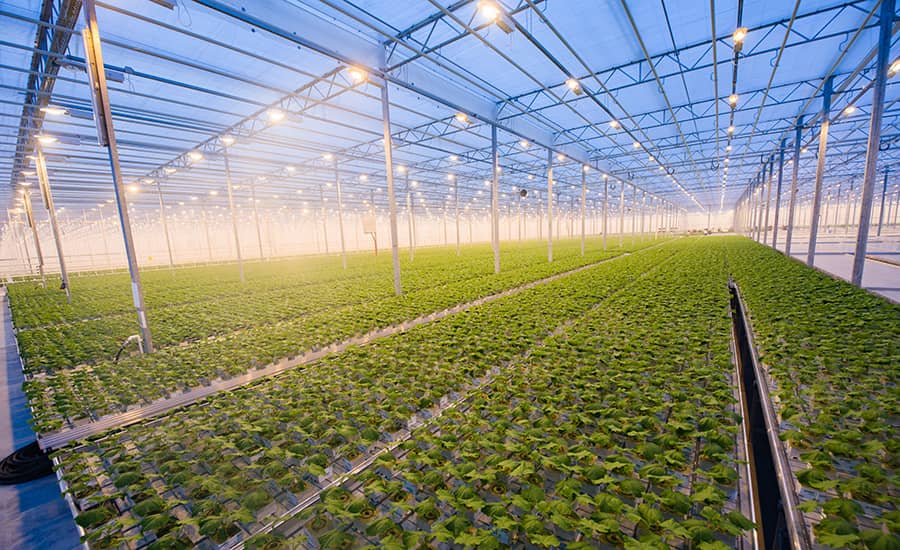
An organic hydroponic vegetable cultivation farm
A recent study conducted by the Cherab Foundation, which featured in the Alternative Therapies journal, concludes that nutritional supplements may also help boost our brain function. After giving 77 people a vitamin and meal replacement product called IQed Smart Nutrition, the researchers from the non-profit organisation found that the supplement boosted brain function in a range of areas and could help people with autism, apraxia, and ADHD.
Almost 84% of participants reported deficits in speech and communication prior to taking the nutritional supplements. After taking the product, more than 85% said their expressive speech had improved while 67% of respondents reported improvements in other areas including focus, language understanding, oral motor skills, and physical and behavioural health.
Overall, 64% of participants reported positive changes within two weeks. According to the Cherab Foundation, the research aims “to guide future research into the dietary interventions and potential management of neurological conditions using natural food products, vitamin and mineral supplements”.
So, what ingredients are in the supplement-infused chocolate shake that will replace the wood-fired pizza you’re due to have next Friday evening? According to IQed, its powdered chocolate offering contains everything from brown rice, apple fibres, turmeric, and green tea, to copper gluconate, amalaki, cayenne pepper, and chia seeds.
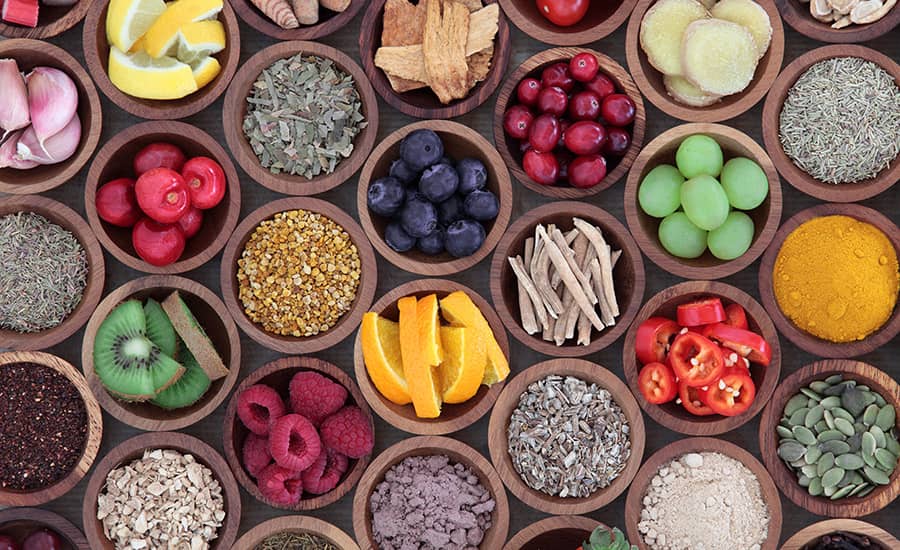
Turmeric, cayenne pepper, and chia seeds have hopped onto the superfood bandwagon in recent years.
Some will dismiss these supplements as hocus-pocus, but the potential benefits of optimised nutrition are exciting nonetheless. If some wince-inducing elixir makes us healthier, stronger and live longer, perhaps it’s worth investigating further?
The Cherub Foundation works to improve the communication skills, education, and advocacy of children on the neurological spectrum. To read more about its study, visit: https://pubmed.ncbi.nlm.nih.gov/32088673/
08 June 2021 |
|
|
Agrifood
Farmers today are under pressure to produce more food with fewer resources and without damaging the environment around them. Faced with factors such as land pressures, soil fertility, pest management and agricultural policy, farming today is all about efficiency, time and energy saving technology, and the drive to make solutions as sustainable as possible.
This obviously poses the question: what can the agrochemical industry do to increase output on one hand and protect the environment and improve applicator safety on the other?
Formulation technology is becoming increasingly important in answering this question. By designing innovative formulations, agrochemical products can become more effective as well as safer. Without the right formulation, even the best active substance is worth nothing.
Most pesticidal active ingredients are not water soluble or water dispersible, yet the most common mode of delivery is via spray applications of aqueous dilutions. It is necessary to create a formulation of the active ingredient in a way that makes it easily dispersible in water and able to maintain stability over the application time period. Changing what goes into this formulation alongside the active ingredient is crucial in how effectively that material is delivered to where it needs to be.
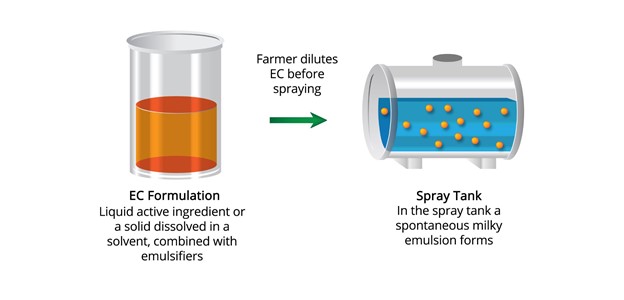
Demonstration of an EC formulation.
Two of the most common types of agricultural formulations that tackle this issue are emulsifiable concentrates (ECs) and suspension concentrates (SCs). EC formulations are suited to active ingredients that are oil soluble and have low melting points. As they are purely a solubilised active ingredient in an oil or solvent with the presence of emulsifiers, they are simple to manufacture and relatively easy to stabilise. The presence of an oil also enhances the biological activity of the application, making them more efficacious in the field.
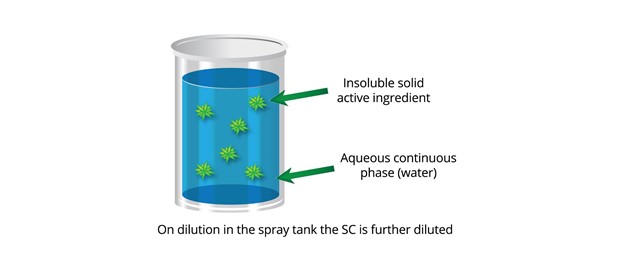
SC formulation, with an indication of what occurs upon dilution into the spray tank prior to application.
SC formulations, on the other hand, are suitable for insoluble active ingredients and those with higher melting points. Crucially, as water is the continuous phase, they are also typically safer and more convenient in use for the operator; there is an absence of dust, flammable liquids, and volatile organic compounds.
Built into each of these formulations alongside the active ingredient are formulation additives. Formulation additives, referred to as inert ingredients, are critical to provide the long-term stability to agrochemical products and their ability to mix effectively in the spray tank, making them suitable for [field spray] applications.
While the formulation type targeted is often dictated by the chemical characteristics of the active ingredient, the formulator has the ability to change every element of the spray quality characteristics and agrochemical delivery through selection of formulation additives. Changing both the formulation type and the additives within will habitually have a dramatic effect on the field efficacy of that application and subsequent yield and quality of the crop. Selecting the correct formulation additives is essential in creating a successful formulation, arguably making them as significant as the active ingredient itself.
How formulators learn to map the complex effects within formulations for improved crop protection is just one facet of today’s agriculture challenge.
Interested in learning more about how the formulation of agrochemicals plays its part in feeding the world? Visit: www.crodacropcare.com
01 June 2021 |
|
|
Agrifood
Perennial bush soft fruits are among the crown jewels of gardening. Gooseberries, red currants and blackcurrants when well established will annually reward with crops of very tasty ripe fruit which provide exceptional health benefits. These bushes will mature into quite sizeable plants so only relatively few, maybe one to five of each will be sufficient for most home gardeners or allotment owners.
Header image: Gooseberries | Image credit: Geoff Dixon
The art of successful establishment lies in initial care and planting. Buy good quality dormant plants from reputable nurseries or garden centres. Plunge the roots deeply in a bucket of water and plant as quickly as possible. These crops need rich fertile soil which is weed free and has recently been dug over with the incorporation of farmyard manure or well-rotted compost. Each bush requires ample growing space with at least a one metre distance within and between rows.
Take out a deep planting hole and soak with water. Place the new bush into the hole, spreading out the root system in all directions. Add mycorrhizal powder around and over the roots, which encourages growth promoting fungi. These colonise the roots, aiding nutrient uptake and protecting from soil borne pathogens. Carefully fold the soil back around the roots, shaking the plant. That settles soil in and around the roots and up to the collar which shows where the plant had grown in the nursery. Tread around the collar to firm the plant and add more water. Normally, planting is completed in late winter to early spring before growth commences.
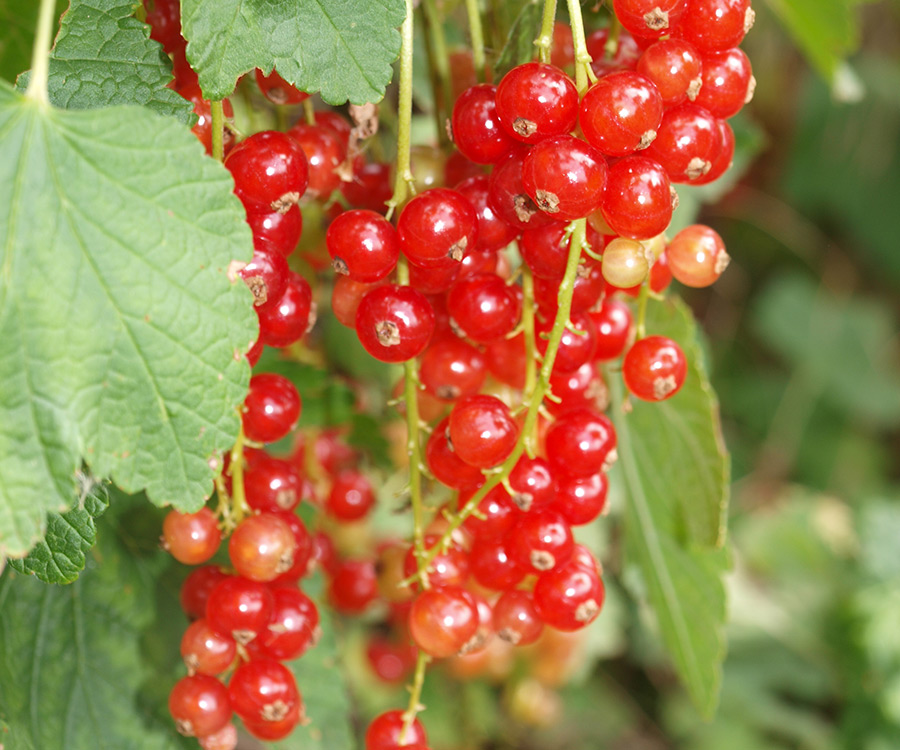
Redcurrants | Image credit: Geoff Dixon
As buds open in spring, keep the plants well-watered. It is crucially important that the young bushes do not suffer drought stress, especially during the first summer. Supplement watering with occasional applications of liquid feed which contains large concentrations of potassium and phosphate plus micro nutrients. Remove all weeds and flowers in this first year. That concentrates all the products of photosynthesis into root, shoot and leaf formation for future seasons. Clean up around the plants in autumn, removing dead leaves that might harbour disease-causing pathogens.
These plants will flower and fruit from the first establishment year. Each bush will produce fruit which is a succulent and rewarding source of health-promoting vitamins and nutrients.
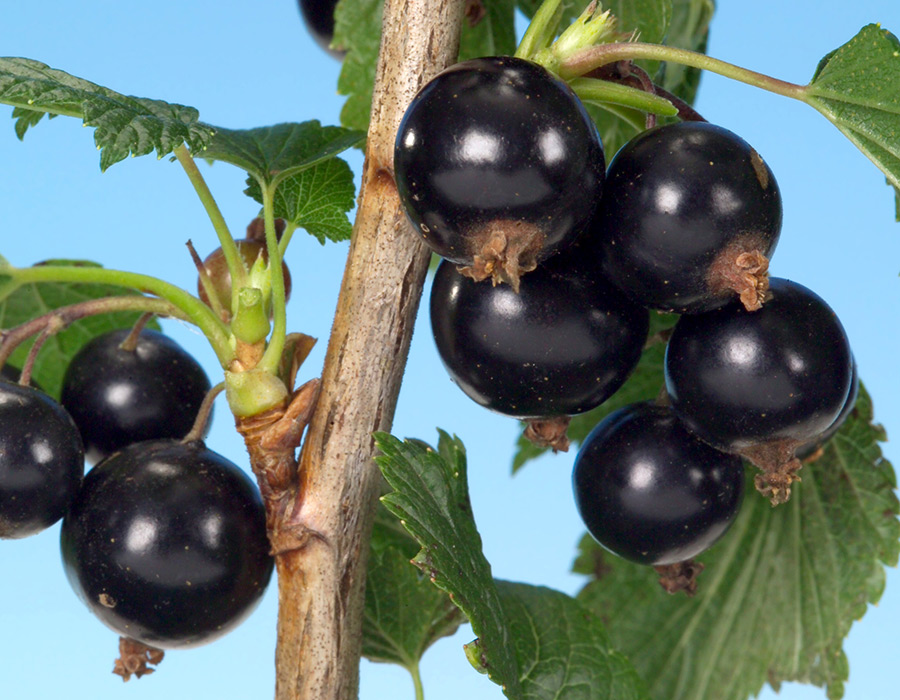
Blackcurrants | Image credit: Geoff Dixon
Blackcurrants are a fine source of vitamin C and have twice the antioxidant content of blueberries. Redcurrants are sources of flavonoids and vitamin B, while gooseberries are rich in dietary fibre, copper, manganese potassium and vitamins C, B5 and B6.
Blackbirds also like these fruits so netting or cages are needed! Continuing careful husbandry will yield a succession of expanding and rewarding crops.
Written by Professor Geoff Dixon, author of Garden practices and their science, published by Routledge 2019.
10 May 2021 |
|
|
Sustainability & Environment
To some, the almond is a villain. This admittedly tasty nut takes an extraordinary amount of water to grow 1.1 gallons per nut and some in California say almond cultivation has contributed to drought.
And so it is no surprise to see the almond lined up in the rogue’s gallery of the thirstiest foods. In a study in the journal Nature Food, University of Michigan (U-M) and Tulane University researchers assessed how the food we eat affects water scarcity.
Meat consumption was found to be the biggest culprit in the US, with the hooves and feet of livestock accounting for 31% of the water scarcity footprint. Within the meat category, beef is the thirstiest, with almost six times more water consumption than chicken.
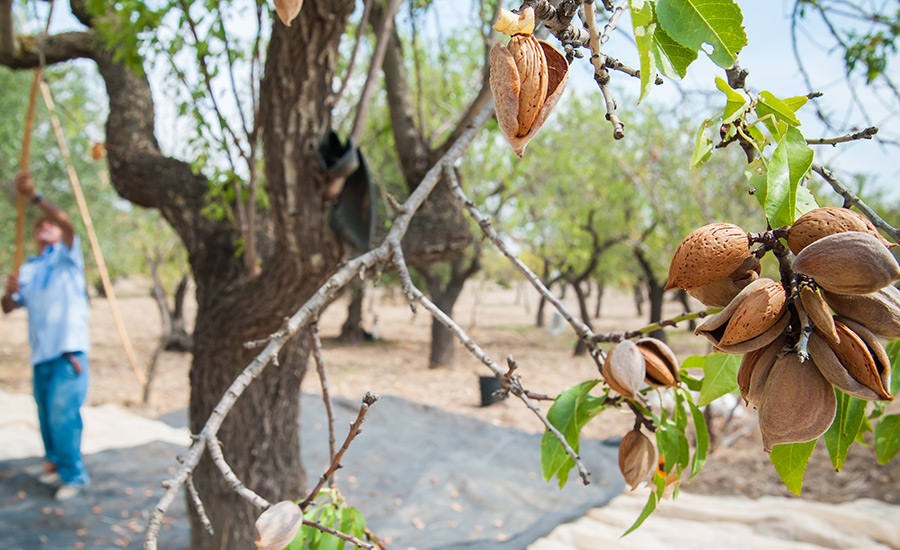
Almond crops in California have come under heavy criticism due to their heavy water consumption
However, the picture is a little more nuanced. Lead author Martin Heller, of U-M's School for Environment and Sustainability, explains: “Beef is the largest dietary contributor to the water scarcity footprint, as it is for the carbon footprint. But the dominance of animal-based food is diminished somewhat in the water scarcity footprint, in part because the production of feed grains for animals is distributed throughout less water-scarce regions, whereas the production of vegetables, fruits and nuts is concentrated in water-scarce regions of the United States, namely the West Coast states and the arid Southwest.”
Certain types of diets drain the water supply. People who eat large quantities of beef, nuts such as the infamous almond, walnut, and cashew, and a high proportion of water-intense fruits and vegetables including lemon, avocado, asparagus, broccoli, and cauliflower take a heavy toll on the water footprint.
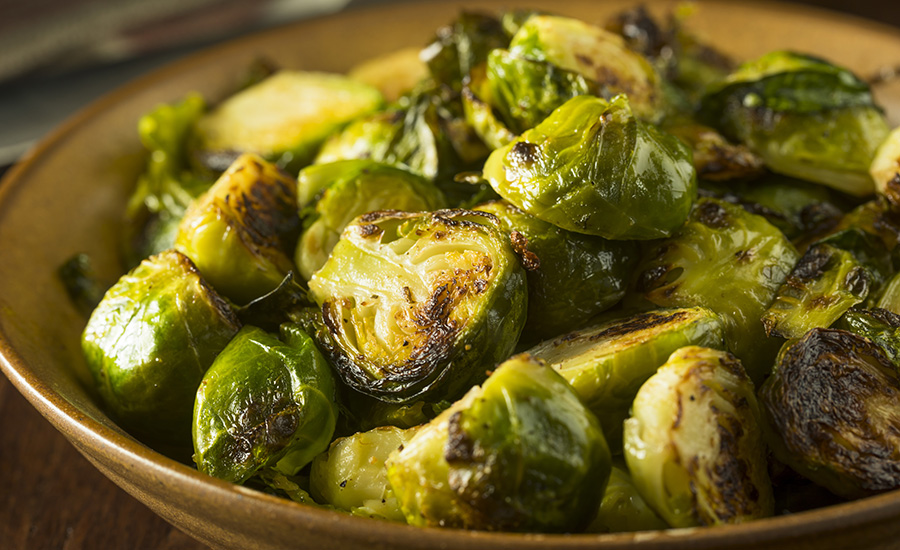
The Brussels sprout is not just for Christmas… it is a less water intense option for your dinner table.
“The water-use impacts of food production should be a key consideration of sustainable diets,” adds study co-author Diego Rose of Tulane University. “There is a lot of variation in the way people eat, so having a picture with this sort of granularity – at the individual level – enables a more nuanced understanding of potential policies and educational campaigns to promote sustainable diets.”
So, what do you do the next time you feel a pang of water guilt? According to the researchers, you could swear off asparagus and that crushed avocado on your toast and replace them with less water intense foods such as fresh peas, Brussels sprouts, cabbage, and kale (but maybe not on your toast). Those beef steaks and hamburgers could make way for other protein sources, such as chicken, pork, and soybeans, and you could graze on peanuts and seeds instead of those honey roasted almonds you love so dearly. Just think of all those gallons of water you’ll save.
For more on this study, visit: https://www.nature.com/articles/s43016-021-00256-2
19 April 2021 |
|
|
Agrifood
Variously known as zucchini, courgette, baby marrows and summer squash, this frost tender crop is a valuable addition for gardens and allotments. Originating in warm temperate America, the true zucchini was developed by Milanese gardeners in the 19th century and popularised in the UK by travellers in Italy. It quickly matures in 45 to 50 days from planting out in open ground by early May in the south and a couple of weeks later farther north.
Alternatively, use cloches as frost protection for early crops. Earliness is also achieved by sowing seed in pots of openly draining compost by mid-April in a greenhouse or cold frame. Courgettes have large, energy-filled seeds. Consequently, germination and subsequent growth are rapid.
Sow seed singly in 10cm diameter pots and plant out when the first 2-3 leaves are expanding (illustration number 1). Alternatively, garden centres supply transplants. These should be inspected carefully, avoiding those with yellowing leaves or wilting foliage. Each plant should have white healthy-looking roots without browning.
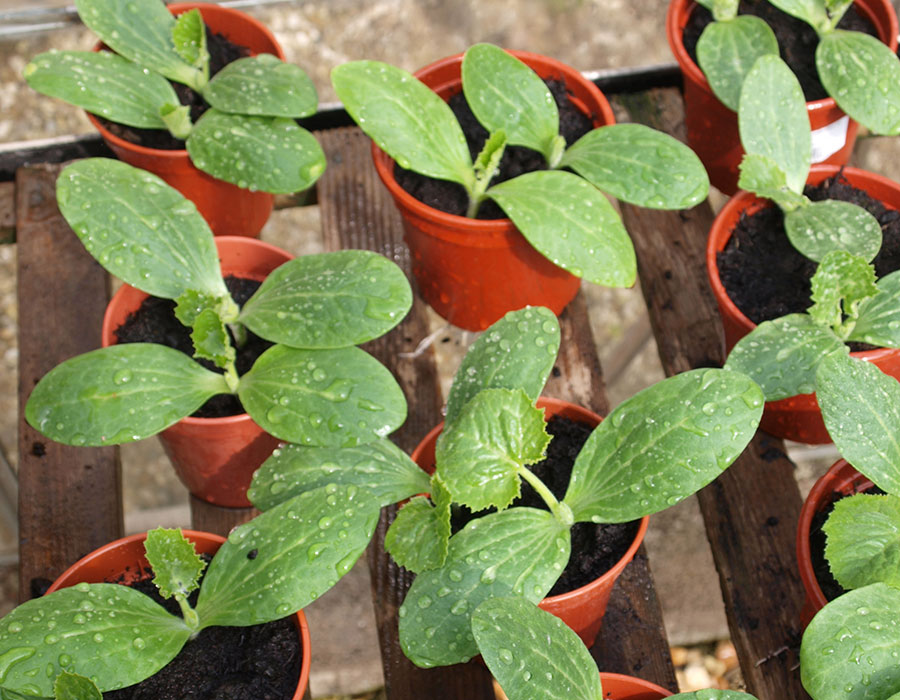
Illustration 1: Courgette seedlings germinated in a greenhouse.
Courgettes grow vigorously and each plant should be allocated at least 1 metre spacing within and between rows. They require copious watering and feeding with a balanced fertiliser containing equal quantities of nitrogen, phosphorus and potassium.
Botanically, they are dioecious plants, having separate male and female flowers, (illustration number 2). They are beloved by bees, hence supporting biodiversity in the garden. Slugs are their main pest, causing browsing wounds on courgette fruits; mature late-season foliage is usually infected by powdery mildew fungi that cause little harm.
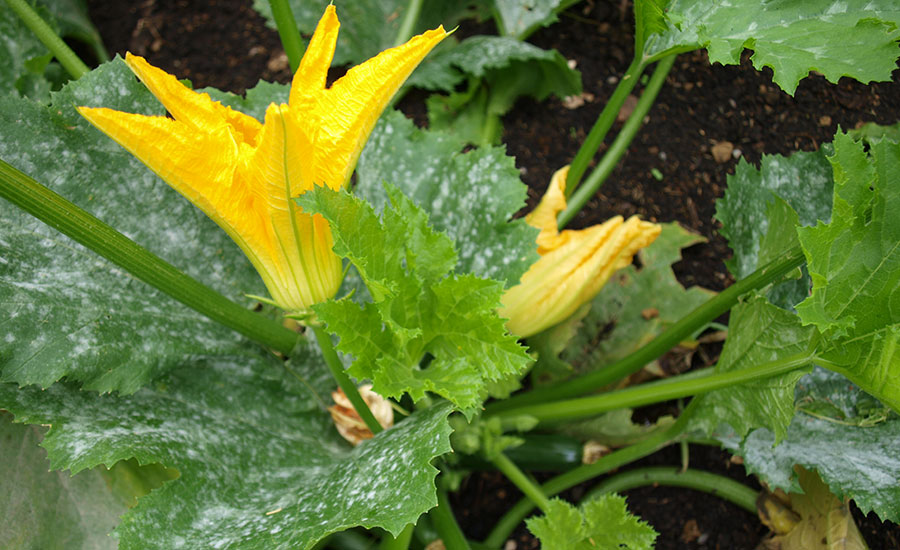
Illustration 2: Bee-friendly (and tasty) courgette flower.
Quick maturing succulent courgettes are hybrid cultivars, producing harvestable 15-25 cm long fruit (berries) before the seeds begin forming (illustration number 3). Harvest regularly at weekly intervals before the skins (epicarps) begin strengthening and toughening. Skin colour varies with different cultivars from deep green to golden yellow. The choice rests on gardeners’ preferences.
Courgettes are classed and cooked as vegetables and their dietary value is retained by steaming thinly sliced fruits. Courgettes are a low-energy food but contain useful amounts of folate, potassium and vitamin A (retinol). The latter boosts immune systems, helping defend against illness and infection and increasing respiratory efficiency. Eyesight is also protected by increasing vision in low light.
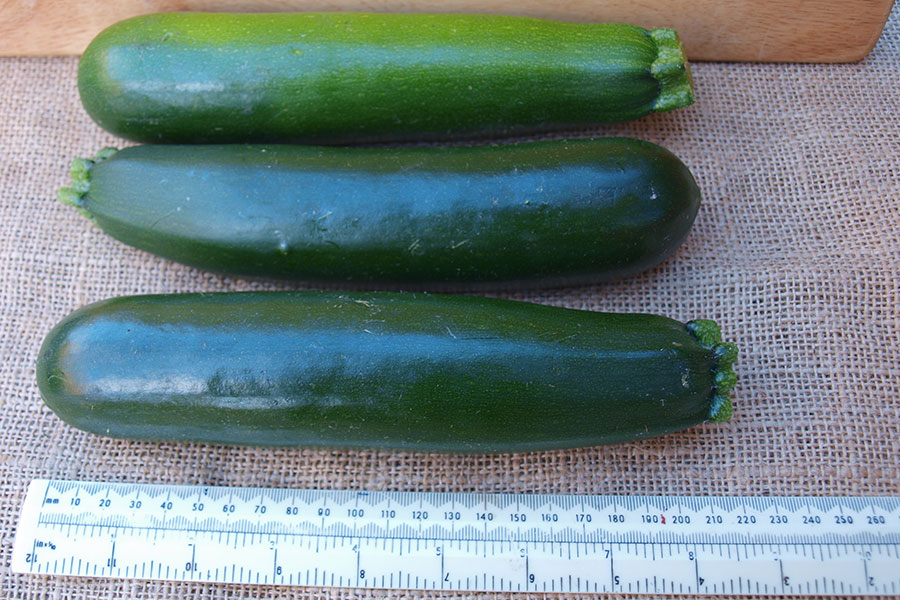
Illustration 3: Courgette fruit ready for the table.
Courgettes are, therefore, valuable dietary additions year-round. Courgette flowers are bonuses, used as garnishes or dipped in batter as fritters or tempura. Overall, the courgette is a most useful plant that provides successional cropping using ground vacated by over-wintered vegetables such as cabbage, Brussels sprouts or leeks.
Written by Professor Geoff Dixon, author of Garden practices and their science, published by Routledge 2019.
29 March 2021 |
|
|
Agrifood
Broad beans are an undemanding and valuable crop for all gardens. Probably originating in the Eastern Mediterranean and grown domestically since about 6,000BC, this plant was brought to Great Britain by the Romans.
Header image: a rich harvest of succulent broad beans for the table
Capable of tolerating most soil types and temperatures they provide successional fresh pickings from June to September. Early crops are grown from over-wintered sowings of cv Aquadulce. They are traditionally sown on All Souls Day on 2 November but milder autumns now cause too rapid germination and extension growth. Sowing is best now delayed until well into December. Juicy young broad bean seedlings offer pigeons a tasty winter snack, consequently protection with cloches or netting is vital insurance.
From late February onwards dwarf cultivars such as The Sutton or the more vigorous longer podded Meteor Vroma are used. Early cropping is promoted by growing the first batches of seedlings under protection in a glasshouse. Germinate the seed in propagating compost and grow the resultant seedlings until they have formed three to four prominent leaflets. Plant out into fertile, well-cultivated soil and protect with string or netting frameworks supported with bamboo canes to discourage bird damage.
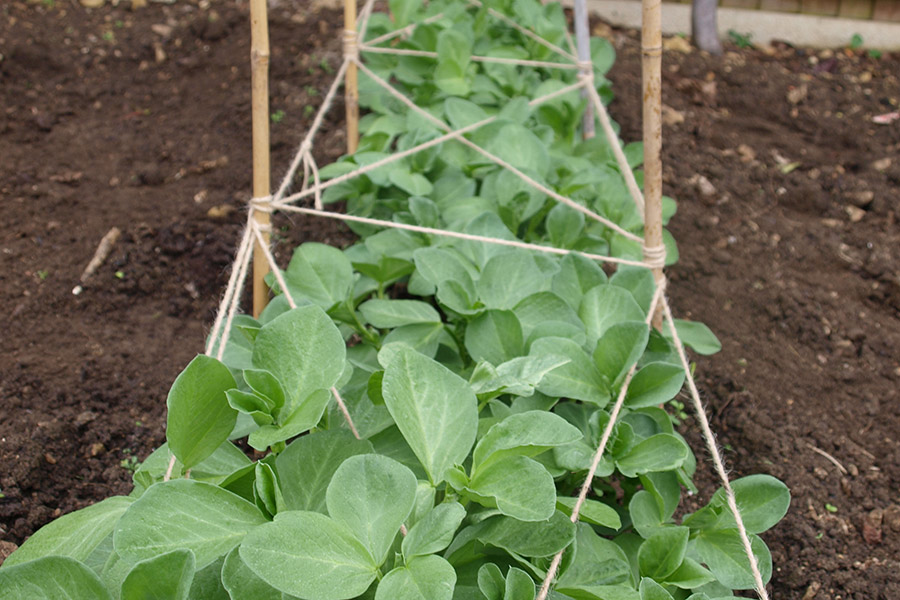
Young broad bean plants supported by string and bamboo canes
More supporting layers will be required as the plants grow and mature. Later sowings are made directly into the vegetable garden. As the plants begin flowering remove the apical buds and about two to three leaves. This deters invasions by the black bean aphid (Aphis fabae). Winged aphids detect the lighter green of upper foliage of broad beans and navigate towards them!
Allow the pods ample time for swelling and the development of bean seeds of up to 2cm diameter before picking. Beware, however, of over-mature beans since these are flavourless and lack succulence. Broad beans have multiple benefits in the garden and for our diets. They are legumes and hence the roots enter mutually beneficial relationships with nitrogen fixing bacteria. These bacteria are naturally present in most soils. They capture atmospheric nitrogen, converting it into nitrates which the plant utilises for growth. In return, the bacteria gain sources of carbohydrates from photosynthesis.
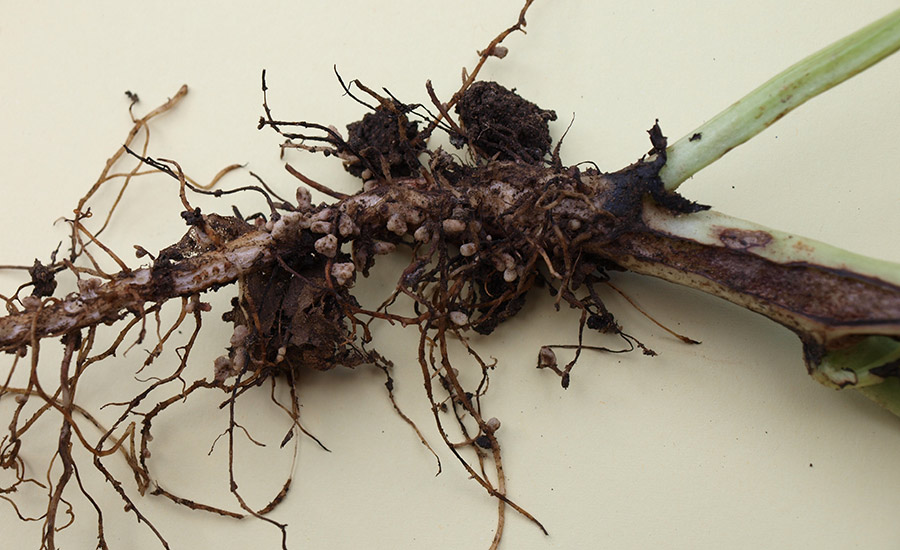
Broad bean root carrying nodules formed around colonies of nitrogen fixing bacteria
Broad beans are pollinated by bees and other beneficial insects. They are good sources of pollen and nectar, encouraging biodiversity in the garden. Nutritionally, beans are high in protein, fibre, folate, Vitamin B and minerals such as manganese, phosphorus, magnesium and iron, therefore cultivating healthy living. Finally, they form extensive roots, improving soil structure, drainage and reserves of organic nitrogen. Truly gardeners’ friends!
Professor Geoff Dixon, author of Garden practices and their science (ISBN 978-1-138-20906-0) published by Routledge 2019.
08 March 2021 |
|
|
Agrifood
Thinking of popping to your nearest specialist store for some sesame oil, turmeric, or soy? Some things haven't changed in 3,700 years, it turns out...
At least, that's what a growing new field of research, palaeoproteomics, suggests. Human mouths are full of bacteria, which continually petrify and form dental calculus — which can entrap and preserve tiny food particles. These remnants can be accessed and analysed thousands of years later, providing remarkable insight into the dietary habits of our ancestors.
Philip Stockhammer, an archaeologist at the Ludwig Maximilian University of Munich (LMU), has worked with Christina Warinner, a molecular archaeologist at Harvard University and the Max Planck Institute for the Science of Human History, and a team of researchers to apply this new method to the eastern Mediterranean, including the Bronze Age site of Megiddo and the Early Iron Age site of Tel Erani.
“Our high-resolution study of ancient proteins and plant residues from human dental calculus is the first of its kind to study the cuisines of the ancient Near East,” said Warinner, explaining its significance. “Our research demonstrates the great potential of these methods to detect foods that otherwise leave few archaeological traces. Dental calculus is such a valuable source of information about the lives of ancient peoples.”

High-resolution analyses of ancient dental calculus have given us a whole new perspective on the diets of Bronze Age people.
The research team took samples from a range of individuals and analysed which food proteins and plant residues were preserved in their teeth. “This enables us to find traces of what a person ate,” said Stockhammer. “Anyone who does not practice good dental hygiene will still be telling us archaeologists what they have been eating thousands of years from now!”
Of course, it's not quite as simple as looking at the teeth of those who didn't thoroughly clean them nearly four millennia ago and hoping the proteins survived. “Interestingly, we find that allergy-associated proteins appear to be the most stable in human calculus”, remarked Ashley Scott, LMU biochemist and lead author. That might be because of the known thermostability of many allergens. For instance, the researchers were able to detect wheat via wheat gluten proteins, which they independently confirmed with a different method using a type of plant microfossil known as phytoliths.
This substance has previously been used to identify millet and date palm in the same area during the Bronze and Iron Ages but phytoliths are not plentiful or even present in many foods, which is why this research is so exciting — palaeoproteomics means foods that have left few other traces, such as sesame, can now be identified.
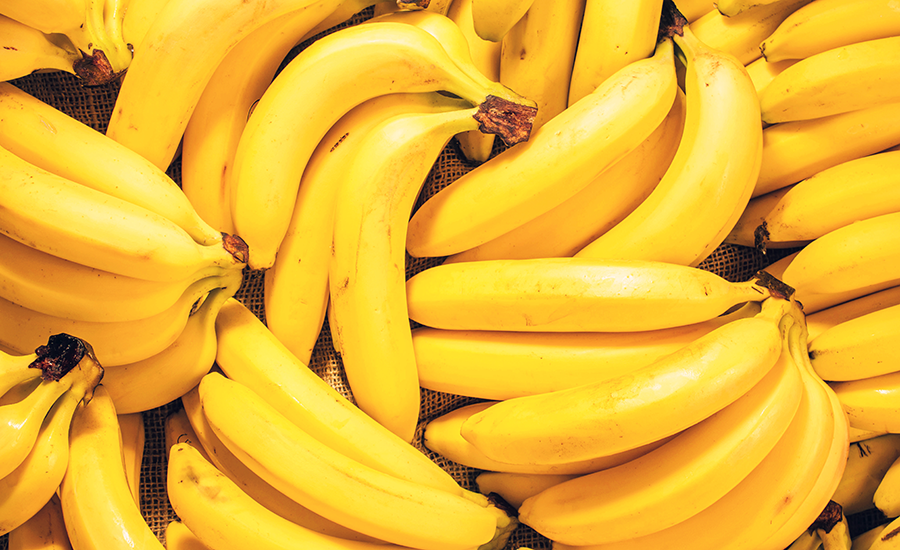
Research suggests that the humble banana was eaten throughout the Mediterranean far earlier than first thought.
The method has allowed the team to identify that people at these sites ate, among other things, sesame, turmeric, soy, and bananas far earlier than anyone had realised. “Exotic spices, fruits and oils from Asia had thus reached the Mediterranean several centuries, in some cases even millennia, earlier than had been previously thought,” explained Stockhammer.
The finds mean that we have direct evidence for a flourishing long-distance trade in fruits, spices, and oils, from East and South Asia to the Levant via Mesopotamia or Egypt as early as the second millennium BCE.
More than that, the analyses "provide crucial information on the spread of the banana around the world. No archaeological or written evidence had previously suggested such an early spread into the Mediterranean region,” according to Stockhammer (although the sudden appearance of bananas in West Africa a few centuries later has previously led archaeologists to believe that such a trade might have existed, this is the first evidence).
The team acknowledged that other explanations are possible, including that the individuals concerned had travelled to East or South Asia at some point but there is evidence for other trade in food and spices in the Eastern Mediterranean — for instance, we know Pharaoh Ramses II was buried with peppercorns from India in 1213 BCE.
But it certainly seems like some foods might have been popular in the Mediterranean for much longer than we realised, which might be an interesting thought to accompany you next time you add some spices or bananas to your shopping basket.
01 March 2021 |
|
|
Agrifood
More people are looking at their nutritional intake, not only to improve wellbeing but also reduce their environmental impact. With this, comes a move to include foods that are not traditionally cultivated or consumed in Europe.
Assessing whether this growing volume of so called ‘novel foods’ are safe for human consumption is the task of the European Food Safety Authority. The EFSA points out, ‘The notion of novel food is not new. Throughout history new types of food and food ingredients have found their way to Europe from all corners of the globe. Bananas, tomatoes, tropical fruit, maize, rice, a wide range of spices – all originally came to Europe as novel foods. Among the most recent arrivals are chia seeds, algae-based foods, baobab fruit and physalis.’
Under EU regulations any food not consumed ‘significantly’ prior to May 1997 is considered to be a ‘novel food’. The category covers new foods, food from new sources, new substances used in food as well as new ways and technologies for producing food. Examples include oils rich in omega-3 fatty acids from krill as a new source of food, phytosterols as a new substance, or nanotechnology as a new way of producing food.
Providing a final assessment on safety and efficacy of a novel food is a time consuming process. At the start of 2021 the EFSA gave its first completed assessment of a proposed insect-derived food product. The panel on Nutrition, Novel Foods and Food Allergens concluded that the novel food dried yellow meal worm (Tenebrio molitor larva) is safe for human consumption.
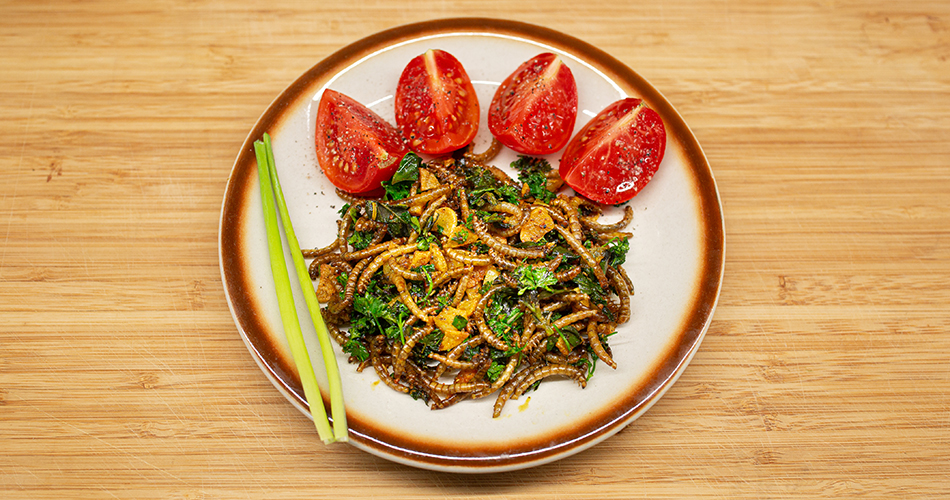
Dried yellow meal worm (Tenebrio molitor larva) is safe for human consumption, according to the EFSA.
Commenting in a press statement, as the opinion on insect novel food was released, Ermolaos Ververis, a chemist and food scientist at EFSA who coordinated the assessment said that evaluating the safety of insects for human consumption has its challenges. ‘Insects are complex organisms which makes characterising the composition of insect-derived products a challenge. Understanding their microbiology is paramount, considering also that the entire insect is consumed,’
Ververis added, ‘Formulations from insects may be high in protein, although the true protein levels can be overestimated when the substance chitin, a major component of insects’ exoskeleton, is present. Critically, many food allergies are linked to proteins so we assess whether the consumption of insects could trigger any allergic reactions. These can be caused by an individual’s sensitivity to insect proteins, cross-reactivity with other allergens or residual allergens from insect feed, e.g. gluten.’
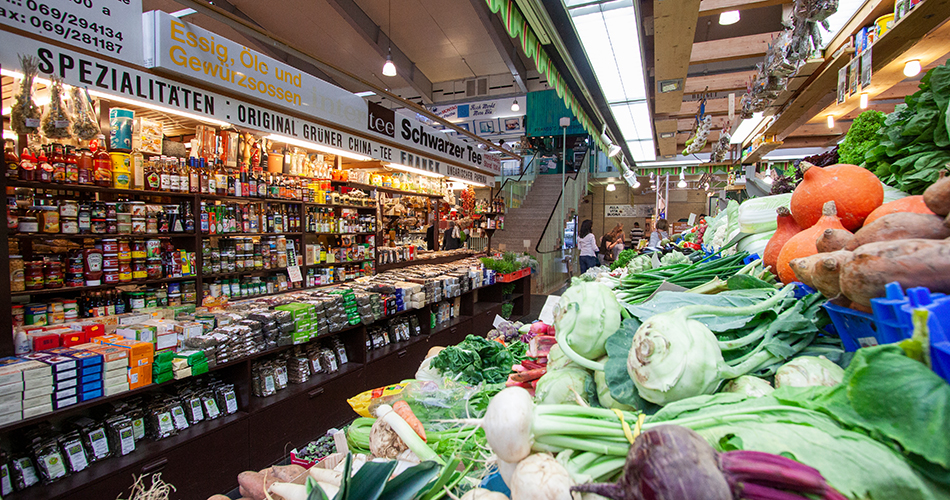
EFSA research could lead to increased choice for consumers | Editorial credit: Raf Quintero / Shutterstock.com
The EFSA has an extensive list of novel foods to assess. These include dried crickets (Gryllodes sigillatus), olive leaf extract, and vitamin D2 mushroom powder. With the increasing desire to find alternatives to the many foods that we consume on a regular basis, particularly meat, it is likely that the EFSA will be busy for some time to come.
28 January 2021 |
|
|