Orionis Biosciences, a US privately held, clinical-stage life sciences company developing precision medicines and immunotherapies to treat cancer and other complex diseases, has signed a multi-year collaboration with Swiss pharma Novartis to discover and design ‘molecular glue’ drugs for challenging therapeutic targets across multiple disease areas. The collaboration expands the existing relationship between the companies and reflects a shared commitment to unlock the full value of induced proximity approaches in drug development.
US life science and clinical research company Thermo Fisher Scientific has announced the opening of a new bioanalytical and biomarker laboratory in Gothenburg, Sweden, located within the GoCo Health Innovation City. This new facility expands the company’s global bioanalytical capabilities to support pharma and biotech customers across all phases of drug development, from preclinical studies through to post-approval. Its advanced technology suite includes cell-based assays, immunochemistry, liquid chromatography-mass spectrometry, molecular genomics, flow cytometry and proteomics, supporting both small molecules and complex therapeutic modalities such as peptides, antibodies, oligonucleotides, and cell and gene therapies.
German science and technology company Merck KGaA has opened its new Metrology & Inspection site in Saint-Ismier, France. The €20m site enhances Merck’s capacity to develop and manufacture precise metrology and inspection tools to address the growing demands of the semiconductor industry for high-performance chips, driven by the growth of AI applications. Located near Grenoble, an established semiconductor area, the site reinforces Merck’s role in building a European semiconductor ecosystem. Merck’s metrology tools measure critical parameters in chip manufacturing such as depths, step heights and thicknesses, enabling real-time adjustments that improve process control. The inspection tools help to detect a wide range of defect types, thereby supporting higher manufacturing yields.
Belgian chemical company Solvay has signed a Letter of Intent (LOI) with Australian resource exploration and development company Viridis Mining and Minerals to secure a strategic supply of rare earth materials by 2028. Viridis is expected to supply critical rare earth feedstocks from Brazil to Solvay’s La Rochelle plant in France. Solvay will provide rare earth separation expertise and processing technology to accelerate feedstock supply from Brazil. This collaboration would use Solvay’s processing, separation and formulation capabilities to refine rare earth raw materials into the individual high-purity oxide elements essential for electric vehicle motors, renewable energy applications, advanced electronics and defence systems.
UK pharma and biotech GSK has entered an agreement to acquire Nuvalent, a US clinical-stage biopharma creating precisely targeted oncology therapies, for $10.6bn. The acquisition is consistent with GSK’s strategy of acquiring assets that have validated targets and which address efficacy and/or tolerability limitations of existing standard-of-care therapies. The deal includes three lung cancer products.
Irish clinical research organisation ICON has expanded its early phase capabilities in the US with the opening of a clinical research unit in San Antonio, Texas, as well as new satellite outpatient clinics in Houston, Texas and Lawrence, Kansas. These new, purpose-built clinics will significantly expand ICON’s capacity to conduct first-in-human, healthy participant, and patient cohort studies. A key feature of the San Antonio CRU is its fully integrated infrastructure. Co-locating the clinic, pharmacy, laboratory and investigational product handling enables faster dosing, immediate implementation of protocol changes and accelerated delivery of data to sponsors.
German chemicals company Evonik has opened its PEEK (polyether ether ketone) Rectangular Magnet Wire Lab in the Shanghai Innovation Park in China. The lab will research and develop PEEK polymer powder-based insulation for rectangular magnet wires, serving the needs of major Chinese and Asian markets. The technology focus will be based around applications for electric motors, especially for NEVs (new energy vehicles), which are hybrid-electric or fully electric-drive vehicles, and constitute a growing segment of the regional and global automotive market.
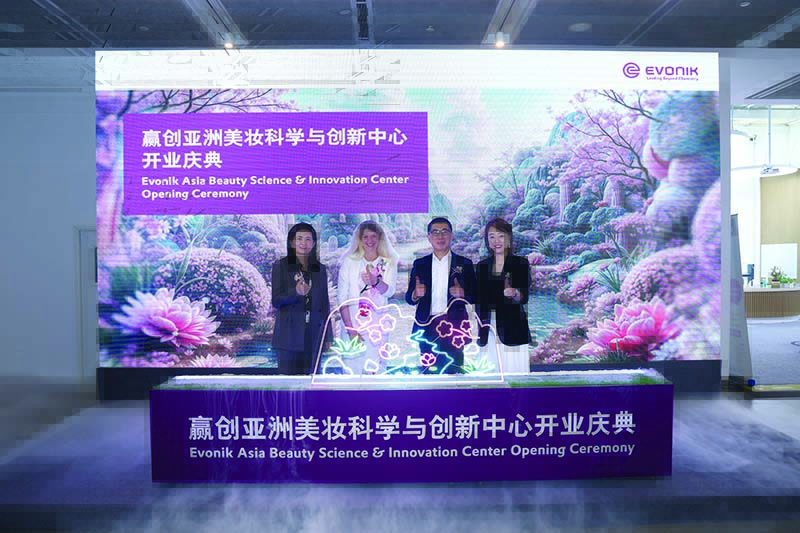
Evonik opens Shanghai Beauty Science & Innovation Centre
Lonza, a Swiss manufacturer for the pharmaceutical, biotechnology and nutrition sectors, and Antharis Therapeutics, a US biotech developing next-generation antibody-based therapeutics for oncology, have signed an exclusive, target-specific licensing agreement to develop novel dual-payload ADCs targeting gastrointestinal (GI) cancers. Antharis will secure rights to Lonza’s dual-payload ADC technology platform, which will be combined with Antharis’ proprietary discovery and development capabilities to advance highly differentiated, next-generation ADC programmes for multicancer applications.
Hikma Pharmaceuticals, a global pharma that develops, manufactures and markets non-branded generic, specialty and branded pharmaceutical products, has announced plans for a significant expansion of its manufacturing operations in the US state of Ohio. Hikma will invest a total of $267m across its Columbus and Bedford facilities.
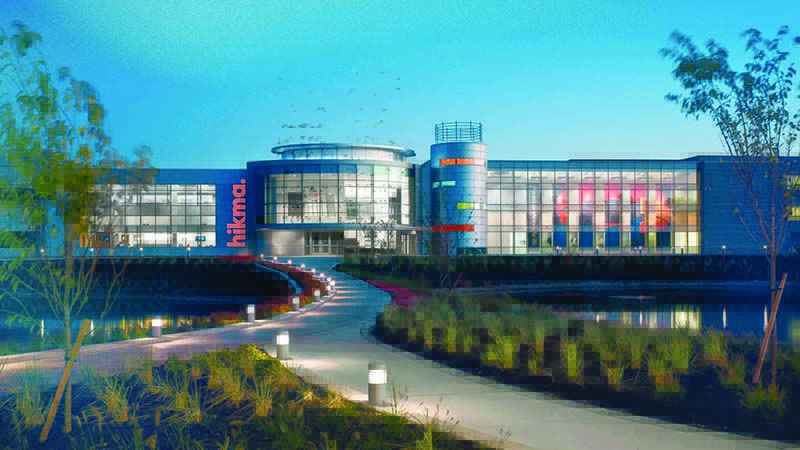
Hikma Pharmaceuticals plans major US expansion in Ohio
Swiss speciality chemical company Clariant has completed its CHF100m investment in its Daya Bay facility in China, with the announcement that its second production line is fully operational. This expanded capacity strengthens Clariant’s ability to meet growing demand for more sustainable flame-retardant solutions in Asia and globally, particularly in the rapidly expanding e-mobility sector. In addition, Clariant has announced the expansion of its Exolit OP flame retardant portfolio with two new solutions specifically designed for polybutylene terephthalate (PBT) applications in e-mobility. The new products – Exolit OP 1242 (TP) and Exolit OP 1266 (TP) – are halogen-free flame retardants. These new products offer manufacturers an alternative to traditional systems based on antimony trioxide, which has experienced dramatic price increases and supply chain volatility in recent years.
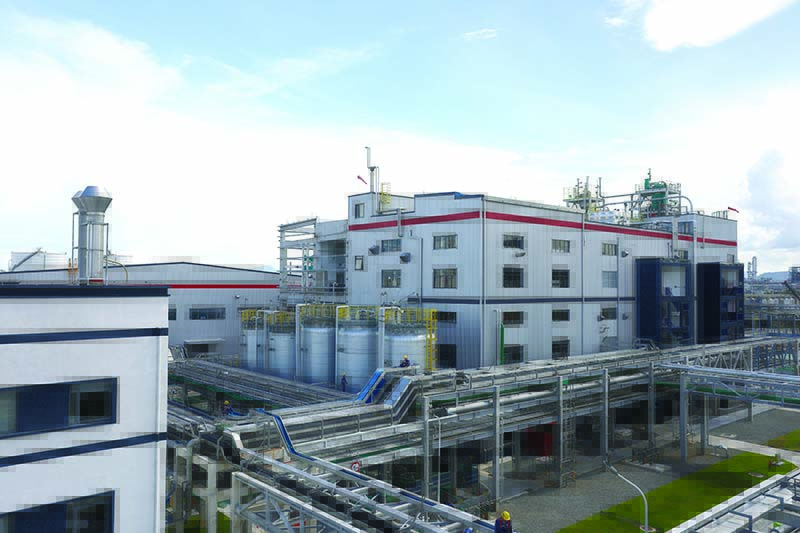
Clariant opens CHF100m expansion of Daya Bay facility in China
112m
German pharma and biotech Bayer has agreed to acquire Perfuse Therapeutics, a US biopharma developing the treatment of ischemia-induced ocular diseases. Bayer will hold the full rights to PER-001, a small molecule endothelin receptor antagonist currently in Phase II clinical development for the treatment of glaucoma and diabetic retinopathy. Glaucoma is a progressive optic neuropathy that causes the loss of retinal ganglion cells, resulting in loss of visual fields.
$75m
Niowave, a US supplier of medical and industrial radioisotopes derived from uranium and radium, has announced the groundbreaking of a new $75m production facility in Lansing, Michigan, US. This site will significantly expand and strengthen US supply of actinium 225 (Ac 225), an isotope used in next generation targeted cancer therapies.
200,000t
Spanish energy company Repsol is strengthening its position as a producer and marketer of renewable fuels with the launch of its second 100% renewable fuel plant at its Puertollano industrial complex (Ciudad Real, Spain). The facility has the capacity to produce 200,000t of renewable fuel/year, in addition to the 250,000t produced annually at the company’s Cartagena plant. Repsol invested €130m in the refinery to process cooking oil and other waste from the agri-food industry.
12
US pharma and biotech Pfizer and Chinese biopharma Innovent Biologics have signed a strategic global licensing and collaboration agreement for the R&D of 12 promising new breakthrough early-stage and de novo cancer medicines. The partnership includes licensing, co-development and co-commercialisation opportunities across a diverse portfolio of antibody-drug conjugates with novel differentiated payloads and multi-specific antibodies with differentiated immune-engaging features and unique designs.
US clinical-stage biopharma Nurix Therapeutics has announced a global collaboration with Swiss healthcare company Roche to develop and commercialise bexobrutideg, a potential best-in-class oral degrader of Bruton’s tyrosine kinase (BTK). The partnership brings together Nurix’s expertise in targeted protein degradation and Roche’s proven portfolio of B-cell targeted therapies and global clinical and commercial infrastructure. The collaboration encompasses a comprehensive clinical development plan spanning malignant haematology, immunology and neurology intended to explore the full clinical potential of BTK degradation across diverse patient populations.
US biotechnology, pharmaceutical and medical technologies corporation Johnson & Johnson has entered into a definitive agreement to acquire Firefly Bio, a US biotech developing its proprietary Firelink degrader antibody conjugate (DAC) platform, for $1bn in cash. The Firelink DAC platform for KRAS-driven tumours bolsters Johnson & Johnson’s oncology pipeline and ambition to develop targeted medicines for the most prevalent and hard-to-treat solid tumours with high unmet need.
Givaudan, a Swiss manufacturer of flavours, fragrances and active cosmetic ingredients, has reached an agreement to acquire a majority stake in Eurofragance, a fragrance house based in Barcelona, Spain. Eurofragance specialises in the design and production of fine fragrances, as well as fragrances for personal and homecare products. It operates across Europe, the Middle East, Asia, Africa, and Latin America, and focuses on high-growth regional markets. Eurofragance’s business will represent approximately CHF185m of incremental sales to Givaudan, based on 2025 results.
US chemical company LyondellBasell (LYB) has earned a sustainability award from Toyota Motor Europe (TME) for advancing circular material solutions for automotive applications. TME’s award recognised LYB’s innovation and long-term collaboration to develop postconsumer recycled (PCR) polymers made from end-of-life fishing nets. Toyota plans to incorporate the materials into future vehicles, supporting sustainability goals while maintaining performance and quality standards.
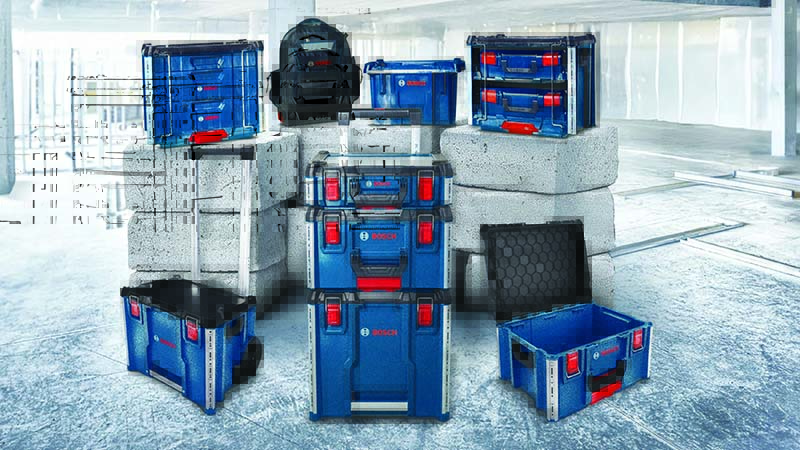
LyondellBasell rewarded at the Plastics Recycling Awards Europe for the L-Boxx Contractor
Alnylam Pharmaceuticals, a US biopharma developing RNA interference therapeutics for genetically defined diseases, and US AI-based biotech Inceptive Nucleics, have signed a strategic agreement to increase the pace of therapeutic innovation. The collaboration seeks to advance siRNA design, by modelling target mRNAs and jointly exploring sequence space and novel chemical modifications to enhance potency and efficacy, and by predicting top-performing therapeutic candidates in preclinical models for further development by Alnylam. The goal is to help Alnylam prioritise the most promising molecules and improve experimental productivity.
US biotech CytomX Therapeutics has expanded its collaboration and licensing agreement with US biotech Regeneron Pharmaceuticals to create conditionally activated bispecific cancer therapies using CytomX’s Probody therapeutic platform and Regeneron’s Veloci-Bibispecific antibody development platform. This technology has the potential to widen the therapeutic window and help minimise off-target effects for next-generation T-cell engaging therapies, potentially addressing tumour types that have historically been challenging for immunotherapy.
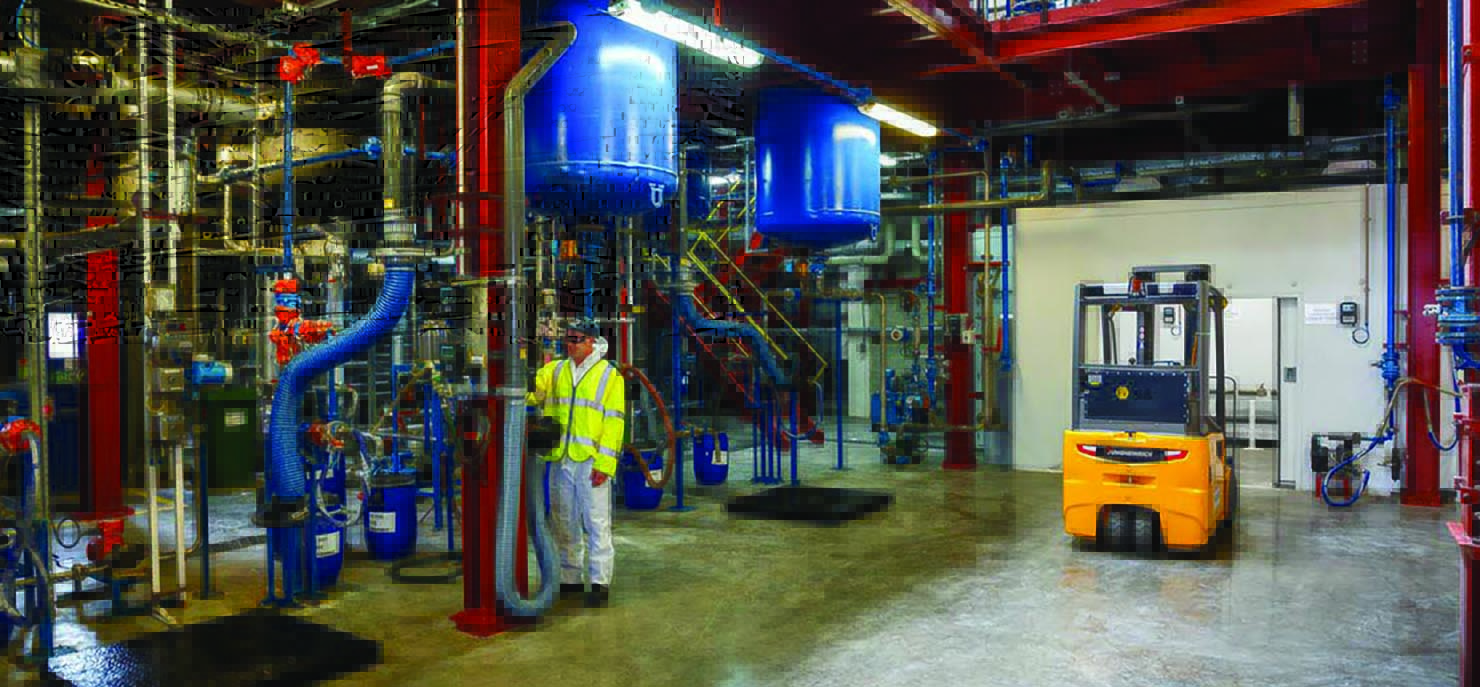
German chemical company Evonik has begun production of a high-performance membrane at a new pilot plant in Marl, Germany. The membrane is a key enabler to produce cost-efficient green hydrogen, which can play a key role in driving down the use of fossil fuels in industry. The pilot plant manufactures the polymer membrane at a commercial scale, with the capacity to produce membranes for an electrolysis capacity of up to 2.5GW/year, which represents one quarter of the total electrolysis capacity planned in Germany for 2030. Evonik’s anion-conducting Duraion membrane is designed for AEM electrolysis (anion exchange membrane). This operates in an alkaline environment, which works without precious metals and therefore uses less expensive materials.
German chemical concern Henkel has announced a strategic partnership with Brilliant Matters, a Canadian supplier of organic semiconductor materials for printed electronics, to co-develop screen-printable silver inks compatible with next-generation efficient and durable organic photovoltaic (OPV) panel manufacturing using high-throughput roll-to-roll processes. The collaboration combines Henkel’s know-how in silver ink formulation with Brilliant Matters’ understanding of OPV device architecture to address one of the most persistent challenges in scaling OPV panels from laboratory innovation to industrial production: screen printing high-resolution conductive silver lines on the OPV sub-stack without generating defects that can be detrimental to panel efficiency or durability.
Element Six, which specialises in synthetic diamond, cubic boron nitride and other superhard materials for industrial use, and Japanese precision processing technology company Orbray, have announced the next phase of their partnership to deliver wafer-scale single-crystal diamond (WSC) for next-generation electronic applications. The companies have successfully established a reproducible process for 3-inch WSC diamond, and development of larger 4-inch substrates is underway. The aim is to accelerate broader adoption of WSC diamond across 6G wireless components, power and RF electronics, sensing, thermal management and quantum technologies.
Danish pharma Novo Nordisk is to invest an additional CN¥200m (around US $29.4m) in its production base in north China’s Tianjin Municipality, expanding drug production and assembly and manufacturing capacity of its related injection pens. Located in the Tianjin Economic-Technological Development Area, the site is one of the company’s strategic global manufacturing hubs, supplying injection devices and finished pharmaceutical products to China and other markets.
German major Wacker has officially opened a new production site for silicones at Karlovy Vary in the Czech Republic. Customised silicones for the automotive, household appliances and medical technology industries as well as for the energy sector will be manufactured.
4E Therapeutics, an Austin, Texas, US-based neuroscience company developing next-generation treatments for chronic pain, has been acquired by US pharma Eli Lilly. 4E is developing a pipeline of orally available MNK inhibitors designed to treat chronic pain by targeting the MNK-eIF4E signalling pathway in peripheral sensory neurons. The compounds are intended to deliver meaningful pain relief while avoiding the central nervous system effects associated with many existing therapeutics. The company’s lead compound, 4ET1103, is the first MNK inhibitor developed to treat pain to advance to human clinical trials, where it demonstrated a favourable safety profile in a Phase 1 study.
German major Bayer has completed the acquisition of Perfuse Therapeutics. Bayer now holds the full rights pertaining to PER-001 intravitreal implant, a first in class, sustained release small molecule endothelin receptor antagonist currently in Phase II clinical development for the treatment of glaucoma and diabetic retinopathy (DR).
Swiss pharma Sandoz has inaugurated a new biosimilar development centre in Ljubljana, Slovenia, to strengthen and expand its in-house biosimilar capabilities. The fully digitally integrated $99m facility supports end-to-end drug substance and drug product development, backed by advanced analytics and data science. The new centre is fully integrated into the development network, including bioanalytical and bioassay laboratories in Holzkirchen, Germany and device development in Cambridge, UK.
Phelan Green Hydrogen has licensed Johnson Matthey’s HyCOgen technology for its planned electro sustainable aviation fuel (eSAF) facility in the Western Cape, South Africa. Construction of the facility in Saldanha Bay is expected to begin by the end of 2026 and is part of the wider Phelan Green Hydrogen Project which expects investment of R47bn (more than £2bn). The first phase of the project, which when completed is expected to be one of the world’s first commercial scale eSAF production facilities, able to produce around 35,000t of eSAF/year, intended for EU/UK markets, and equivalent to up to 6% of the EU and UK’s mandated eSAF volumes for 2030.
 Visit Blog