
Health & Wellbeing
A sprig of thyme to fight that cold… Turmeric tea after exercising… An infusion of chamomile to ease the mind… As we move with fresh resolution through January, Dr Vivien Rolfe, of Pukka Herbs, explains how a few readily available herbs could boost your health and wellbeing.
The New Year is a time when many of us become more health conscious. Our bodies have been through so much over the last few years with Covid, and some of us may need help to combat the January blues. So, can herbs and spices give us added support and help us get the new year off to a flying start?
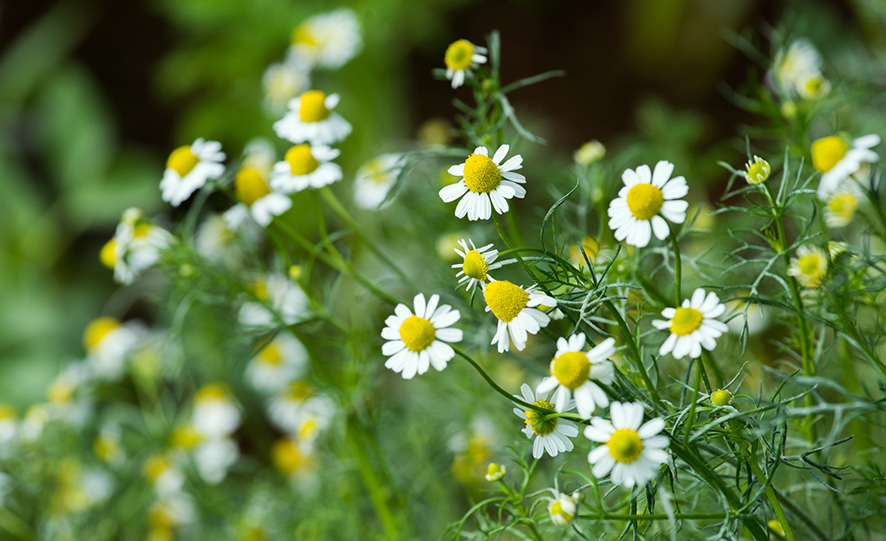
The oils in chamomile have nerve calming effects.
Chamomile and lavender
We may wish to ease ourselves into the year and look for herbs to help us relax. The flowers from these herbs contain aromatic essential oils such as linalool from lavender (Lavandula) and chamazulene from German chamomile (Matricaria recutita) that soothe us when we inhale them (López et al 2017). Chamomile also contains flavonoids that are helpful when ingested (McKay & Blumberg 2006).
If you have a spot to grow chamomile in your garden, you can collect and dry the flowers for winter use. Lavender is also a staple in every garden and the flowers can be dried and stored. Fresh or dry, these herbs can be steeped in hot water to make an infusion or tea and enjoyed. As López suggests, the oils exert nerve calming effects. Maybe combine a tea with some breathing exercises to relax yourselves before bed or during stressful moments in the day.
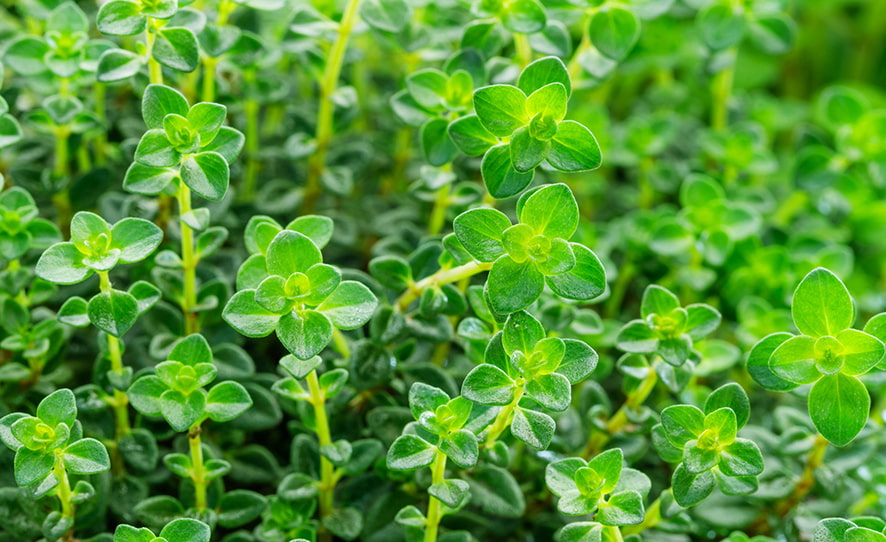
Thyme is a handy herbal remedy. Generally, the term herb refers to the stem, leaf and flower parts, and spice refers to roots and seeds.
>> The plant burgers are coming. Read here about the massive growth of meat alternatives.
Andrographis, green tea and thyme
Many people may experience seasonal colds throughout the winter months and there are different herbal approaches to fighting infection. Andrographis paniculata is used in Indian and traditional Chinese medicine and contains bitter-tasting andrographolides, and in a systematic review of products, the herb was shown to relieve cough and sore throats symptoms in upper respiratory tract infection (Hu et al 2017).
Gargling with herbal teas is another way to relieve a sore throat, and the benefits of green tea (Camellia sinensis) have been explored (Ide et al 2016). I’m an advocate of garden thyme (Thymus vulgaris) which contains the essential oil thymol and is used traditionally to loosen mucus alongside its other cold-fighting properties.
You could experiment by combining thyme with honey to make a winter brew. I usually take a herbal preparation at the sign of the very first sneeze that hopefully then stops the infection progressing.

Shatavari (pictured) is said to improve strength, and ashwagandha can help recovery.
Shatavari and ashwagandha
We may start the new year with more of a spring in our step and wishing to get a little fitter. As we get older, we may lose muscle tissue which weakens our bones and reduces our exercise capability. Human studies have found that daily supplementation with shatavari (Asparagus racemosus) can improve strength in older women, and ashwagandha (Withania somnifera) can enhance muscle strength and recovery in younger males (O’Leary et al 2021; Wankhede et al 2015).
These herbs are known as adaptogens and traditionally they are used in tonics or to support fertility. The research to fully understand their adaptogenic activity or effects on muscle function is at an early stage. Other herbs such as turmeric may help muscle recovery after exercise. I brew a turmeric tea and put it in my water bottle when I go to the gym.
>> How is climate change affecting your garden? Find out here.
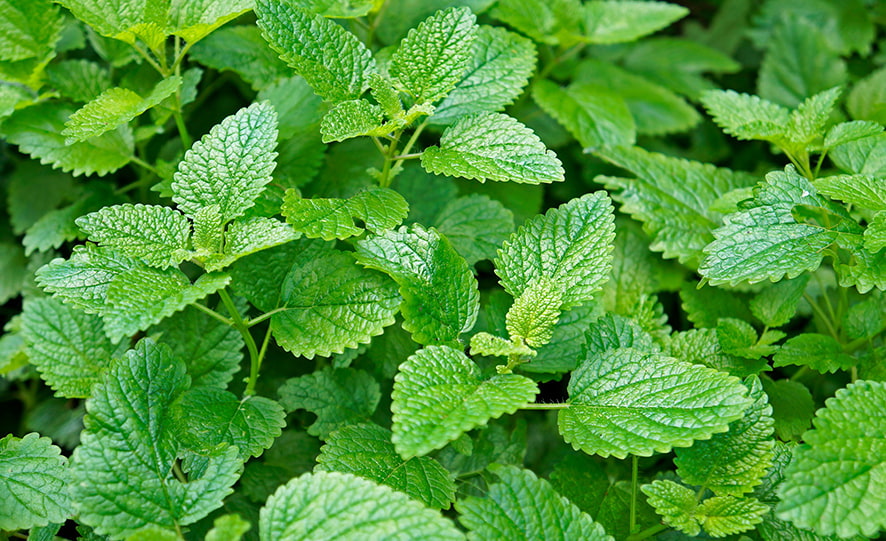
Lemon balm is easy to grow but might want to take over your garden.
Easy on the body. Easing the mind
Depending on your resolutions, you could use herbs and spices to add lovely flavours to food to try and reduce your sugar and salt intake. Liquorice is a natural sweetener, and black pepper and other herbs and spices can replace salt.
You could also bring joy to January by growing herbs from seed on a windowsill or in a garden or community space. Mint, lemon balm, lavender, thyme, and sage are all easy to grow, although mint and balm may take over!
All make lovely teas or can be dried and stored for use, and research is also showing that connecting with nature – even plants in our homes – is good for us.
You can read more about medicinal and culinary properties of herbs at https://www.jekkas.com/.
If you wish to learn more about the practice of herbal medicine and the supporting science, go to https://www.herbalreality.com/.
>> Dr Viv Rolfe is head of herbal research at Pukka Herbs Ltd. You can find out more about Pukka’s research at https://www.pukkaherbs.com/us/en/wellbeing-articles/introducing-pukkas-herbal-research.html, and you can follow her and Pukka on Twitter @vivienrolfe, @PukkaHerbs.
Edited by Eoin Redahan. You can find more of his work here.
17 January 2022 |
|


 |
|

Agrifood
Gardens in December should, provided the weather allows, be hives of activity and interest. Many trees and shrubs, especially Roseaceous types, offer food supplies especially for migrating birds.
Cotoneaster (see image below) provides copious fruit for migrating redwings and waxwings as well as resident blackbirds. This is a widely spread genus, coming from Asia, Europe and northern Africa.
Cultivated as a hedge, it forms thick, dense, semi-evergreen growth that soaks up air pollution. In late spring, its white flowers are nectar plants for brimstone and red admiral butterflies and larval food for moths. Children and pets, however, should be guided away from the attractive red berries.
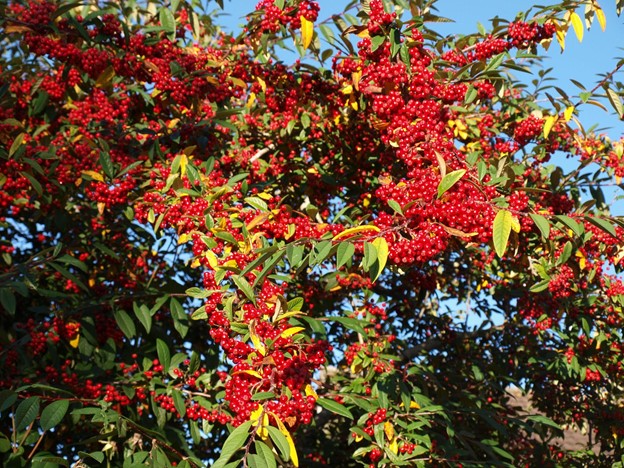
Cotonester franchetti | Image credit: Professor Geoff Dixon.
Medlars (Mespilus germanica) offer the last fruit harvest of the season (see image below). These small trees produce hard, round, brownish fruit that require frosting to encourage softening (bletting).
Its soft fruit can be scooped out and eaten raw and the taste is not dissimilar to dates. Alternatively, medlar fruit can be baked or roasted and, when turned into jams and jellies, they are delicious, especially spread on warm scones.
Like most rosaceous fruit, medlars are nutritionally very rich in amino acids, tannins, carotene, vitamins C and B and several beneficial minerals. As rich sources of antioxidants medlars also help reduce the risks of atherosclerosis and diabetes.
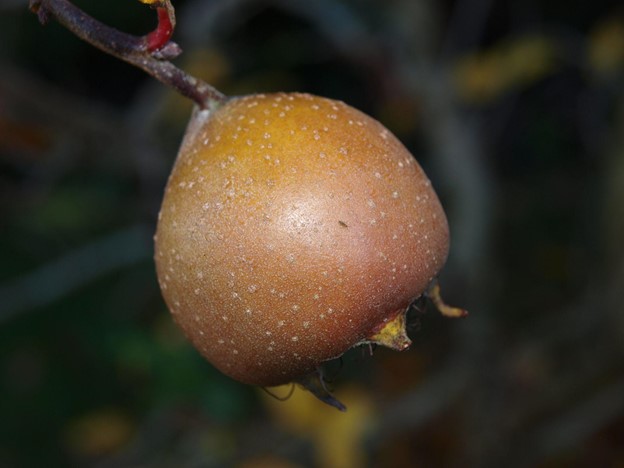
Medlar fruit (Mespilus germanica) can be turned into jams and jellies | Image credit: Professor Geoff Dixon.
Garden work continues through December. It is a time for removing dead leaves and stems from herbaceous perennials, lightly forking through the top soil and adding granular fertilisers with high potassium and phosphate content.
Top fruit trees gain from winter pruning, which opens out their structure, allowing air circulation when fully laden with leaves, flowers and fruit. Fertiliser will feed and encourage fresh root formation as spring progresses.
The vegetable garden is best served by digging and incorporating farm yard manure or well-rotted compost, which adds fertility and encourages worm populations. The process of digging is also a highly beneficial exercise for the gardener (see illustration no 3).
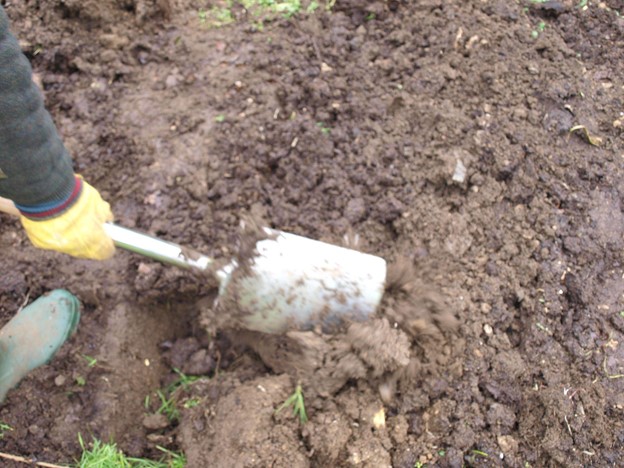
Turning the soil isn’t only good for your garden - it boosts your wellbeing | Image credit: Professor Geoff Dixon.
Developing a rhythm with this task supports healthy blood circulation and, psychologically, provides huge mental satisfaction in seeing a weedy plot transformed into rows of well-turned bare earth.
When the weather turns wet, windy and wintery it provides opportunities for cleaning, oiling and sharpening tools, inspecting stored fruit and the roots of dahlias kept in frost-proof conditions.
Finally, there is always the very relaxing and pleasant task of reading through seed and plant catalogues and planning what may be grown in the coming seasons.
Written by Professor Geoff Dixon, author of Garden practices and their science, published by Routledge 2019.
07 December 2021 |
|
|
Careers
As we build up to the 3rd SCI-RSC symposium on antimicrobial drug discovery, we spoke to Dr Anita Shukla, Associate Professor of Engineering at Brown University, about designing drug delivery systems to treat infection, creating a positive atmosphere in her lab, the challenges facing professionals in her industry, and much more.

Anita Shukla, Associate Professor of Engineering at Brown University
Tell us a bit more about the work being done in your lab.
All of what my lab works on is very biomedically orientated. The major thing we focus on is treating bacterial and fungal infections. We have a lot of interest in designing drug delivery systems to treat all sorts of bacterial and fungal infections, from localised infections to more systemic infections. We design nanoparticles, polymeric nanoparticles, self-assembled structures, surface coatings and larger-scale materials such as hydrogels that can be used as bandages.
We work on the material design for delivering antimicrobial therapeutics – antibiotics, antifungals and other antimicrobial components – and we study a lot about the properties of these materials. What sets us apart is that we’re trying to make materials that are smart, that are in some way targeted or responsive to the presence of bacteria or fungi.
So, to give you an example, we are working on making hydrogel wound dressings. These wound dressings are smart and can respond to the presence of bacteria and fungus. They know when bacteria and fungi are present, based on the enzymes that are there in the localised local environment of the hydrogel. They actually degrade only in the presence of those enzymes and release encapsulated nanotherapeutics.
And that’s really important because of antimicrobial resistance. So, we are trying very hard to provide effective therapies but limit exposure to antimicrobial therapeutics only to times that they’re needed. That’s the kind of work we’ve been doing over the past five or six years.
You’ve done some really interesting work on pregnancy care too. Tell us more about that.
So, that work was inspired by a graduate student who was very interested in women’s health and prenatal health. What we noted was that a lot of pharmaceutical agents that you must use when you’re pregnant don’t have enough information associated with their potential toxic side effects on a growing fetus. A lot of that testing is very difficult to do, so we thought: ‘Can we come up with model systems that could be used for the testing of pharmaceutical agents, toxins, and toxicants?’
The placenta really is the interface between the fetus and the mother and a lot of the nutrient and waste exchange happens through this organ. We wanted to come up with a model system that represents a placenta that was cell free and didn’t involve using an animal. So, what we did was we first studied cells taken from a placenta and the lipid composition of these cells, and then we made lipid bilayers out of synthetic lipids that mimicked the composition of placental cells at different trimesters during the pregnancy. And then we looked at how different small molecules (some of them were actually antimicrobial therapeutics) interact with these synthetic lipid bilayer models.
We noted the differences between the different trimesters and compositions of the placental cells in terms of the lipid content and how these toxicants, small molecules and pharmaceutical agents interacted. It’s early stage work but that same technology could be adapted for the purpose of high throughput testing in a cell-free environment for a range of applications.
What you do in your lab has a real-world effect. How important is that?
We’re very real-world application driven. I think the science is great, and we do a lot of fundamental science in the lab too, but the purpose is to solve real-world problems. Right now, with the pandemic, the work we’re doing on antimicrobial drug delivery is very relevant. The data show that bacteria and fungal co-infections for patients that have Covid-19 are increasing greatly and that’s heavily problematic. The antimicrobial resistance issue is just going to be exacerbated because these patients can also receive antibiotics and antifungals at the same time.
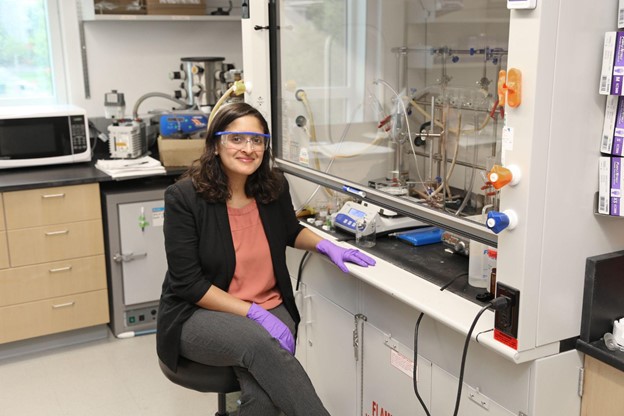
Finding solutions to real-life problems at the Shukla Lab. Image courtesy of Brown University School of Engineering
How did you get to this point in your career?
The one big factor in where I ended up is my family. My family has always supported me tremendously and I’ve had a very positive role model of an academic and researcher in my father. That definitely got me early exposure, which exemplifies and solidifies the fact that early exposure is really important, which can come from your family, friends, teachers, and other role models.
When I started my undergraduate studies at Carnegie Mellon University, I thought I wanted to go into medicine at first, but then when I got there. I really enjoyed designing solutions that physicians would use. As an undergrad, I didn’t really know what I wanted to do in terms of the exact field of research; so, every summer I did a different research experience. In the first summer, I worked at the University of Rhode Island in a Mechanical Engineering lab. For the second summer, I worked at MIT in a materials science lab. And for my third summer, I worked in Columbia University in applied physics and mathematics. I also did research at Carnegie Mellon University with a faculty member in chemical engineering and just tried to get mentors and different experiences under my belt so I could get better informed in what I wanted to do. I then went to MIT to study chemical engineering for my graduate degrees.
Did any specific people help you along the way?
I worked with a faculty member at MIT, Paula Hammond, who’s now the department Head in Chemical Engineering at MIT. She was really an amazing influence for me. I definitely had strong female role models as an undergrad, but my graduate supervisor at MIT happened to be a strong black female scientist and that was hugely influential to me – to see that you can be a minority in STEM, really successful, and do it all. At the same time, she was very open about challenges for women in chemical engineering and not afraid to talk about it at all. She did a great job in promoting us and making sure we had the right mentoring during the five years of my PhD. So, I’m very grateful to her.
I did my postdoc at Rice University in the bioengineering department, and I worked with another really strong female mentor there. My postdoctoral advisor, Jennifer West – who is now the Dean of Engineering at the University of Virginia – was really amazing. I learnt a whole new set of things from her. In all of this, I can pinpoint that I’ve had many mentors. I would highly advise that regardless of what you are interested in doing in life, find those people who are out there to support you.
How did you end up at Brown?
I ended up at Brown in the School of Engineering as a tenure track assistant professor in the summer of 2013. Since then, all the time has gone into setting up my lab and advancing our science. It’s pretty much flown by. I’ve been extremely lucky. I’ve had amazing students and postdocs in my lab. They really produce everything that comes out of it. I’m just the spokesperson.
I love working with them. We have a very inclusive environment. We talk about a lot of diversity, equity, and inclusion-related concerns. I think that’s really important. We try to self-educate and educate each other on these topics. We have a welcoming environment and genuinely care that everyone in the lab feels respected. Because you can only do good science and good work if you work in a place where you are happy and respected and can be yourself.
What does a given working day look like?
It varies. A given day is chaotic due to work and having two small kids. My husband is also a professor at Brown so we both have similar demands on our time but a lot of my time goes into research and proposal writing. We need to raise funds to run a lab so we definitely spend a lot of time on that. Paper writing to get out work out is also super important.
My favourite things are meeting with my grad students and postdocs about research. I love meeting with them and talking with them about their data and generating new ideas together. This semester I am also teaching a class about advances in biomedical engineering over the past couple of years. Preparing those classes and making sure I am devoting time to them is important to me.
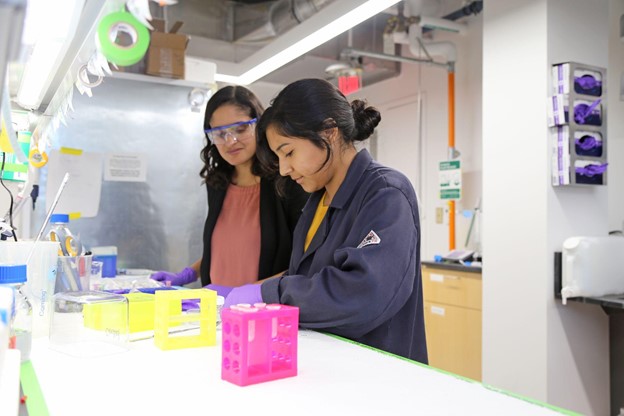
‘One thing I always tell students is don’t doubt yourself. Go ahead and try.’ Image courtesy of Brown University School of Engineering
What challenges have you had to overcome in your career?
I've been extremely lucky, but there has been the two-body situation. It’s essentially having a working spouse and trying to figure out how to make it work so that you both have the careers you want in the same location. That took me and my husband five years to figure out.
My husband was in Texas and I was in Rhode Island and I had two babies with me while doing this academic career on my own. That’s incredibly challenging, but it’s extremely common. In general, I think industry and academia need to work harder to make it easier for individuals to figure out this situation and smoothen the transition.
There are other little things that come up that are challenging. I do often feel that I have to prove myself to my older male colleagues at times when I shouldn't have to. If I get into an elevator with a male colleague who’s exactly the same age as me, a senior male colleague might ask that colleague about his research, and I might be asked about my kids. I often think it’s not intentional – and I try to give people the benefit of the doubt – but I think there’s a lot of education that still needs to be done.
>> Interested in the latest on antimicrobial drug discovery? Register to attend the 3rd SCI-RSC symposium on antimicrobial drug discovery on 15 and 16 November.
What’s the current state of play in your sector with respect to diversity, equality, and inclusion?
There's a lot to do but there’s a lot more awareness now. We’re far from where we need to be in terms of representation of all sorts of individuals in academia. Really, it’s ridiculously appalling if we look at numbers of black individuals, women in STEM academics, or the grant funding that goes to these individuals. But I have seen over the past two years or so that there’s just been more people talking about it. In biomedical engineering, a group of around 100 faculty or so academics around the US gets together periodically over Zoom to talk about these topics, and there’s more awareness and content in our scientific forums.
What’s the greatest challenge for people developing antimicrobial materials or in biomedical areas?
With therapeutics, it’s the FDA approval timeline. It’s years later by the time they’re used. A lot of the time people shy away from working in therapeutics because they know how hard it is going to be to commercialise something in that area.
On an academic level for me as an engineer, it’s critical to figure out what the important challenges and problems are. We’re very lucky at Brown that we have a great medical school so we can talk to clinicians, but cross-talk between disciplines is super important right now.
What advice would you give to young professionals in your area?
One thing I always tell students is don’t doubt yourself. Go ahead and try. You can’t win a game if you don’t play it. I constantly run into individuals who say: ‘I didn’t apply for that because I didn’t think I was qualified’. Basically, I just tell them to apply – you have nothing to lose.
What are you and your students working on that you’re most excited about at the moment?
I really love everything we are doing! I love the fact that we are designing materials that are smart, so they respond to the presence of microbes. I think that could be groundbreaking in terms of prolonging the lifetime of our existing antimicrobial drugs. We also have some really great work going on in treating biofilms, which are incredibly problematic in terms of infections. It’s very hard to answer. I’m proud of everything we do.
>> In recent months, we’ve spoken to inspiring women who work in science. Read more about the stories of materials scientist Rhys Archer and Jessica Jones, Applications Team Leader at Croda.
09 November 2021 |
|
|
Careers
Continuing our series on Black scientists, Dr George Okafo tells us about his journey from curious child, encouraged by family and mentors, to Global Director of Healthcare Data and Analytics with a leading pharmaceutical company.

What is your current position?
I am Global Director, Healthcare Data and Analytics Unit at Boehringer Ingelheim, and have been in this role for the past 10 months.
Right: Dr George Okafo
Please give us a brief outline of your role.
To build an expert team of data stewards, data scientists and statistical geneticists tasked with accessing and ingesting population-scale healthcare biobanks and then deriving target, biomarker and disease insights from this data to transform clinical development and personalise the development of new medicines.
What was it that led you to study chemistry/science and ultimately develop a career in this field? Was this your first choice?
My interest in science stems from my parents. My father was a medical doctor, and my mother was a senior midwife. As a child, I was always very curious and wanted to know why and how things worked. This curiosity has stayed with me all my life and throughout my career at GlaxoSmithKline and now at Boehringer Ingelheim. In my current role, I am still asking the same types of questions from Big Data and these answers could have a profound impact in the development of new medicines.
Was there any one person or group of people who you felt had a specific impact on your decision to pursue the career you are in?
Yes, my father and mother, who supported, encouraged and gave me the confidence to be curious, to keep trying and to never give up.

Dr Okafo held senior director-level roles in drug discovery and development while at at GSK.
Could you outline the route that you took to get to where you are now, and how you were supported?
My career journey started at Dulwich College (London) where I studied Chemistry, Biology, Maths and Physics at A Level. This took me to Imperial College of Science, Technology and Medicine (London), where I completed my Joint BSc in Chemistry and Biochemistry and my PhD in Cancer Chemistry.
I then spent a year at the University of Toronto in Canada as a Postdoctoral Fellow, before embarking on my career in the Pharmaceutical Industry, starting at GlaxoSmithKline (GSK). I spent 30 years at GSK, where I held many senior director-level roles in drug discovery and development. During my time, I made it my mission to learn as much about the R&D process and used this knowledge to understand how innovation can impact and transform drug research.
I have been very fortunate in my career to be surrounded by many brilliant and inspirational people who had the patience to share their knowledge with me and answer my many questions.
>> Curious to read more about some of the great Black scientists from the past? Here’s our blog on Lewis Howard Latimer.
Considering your own career route, what message do you have for Black people who would like to follow in your footsteps?
Surround yourself with brilliant people who can inspire you. Look for people who you respect and can coach and mentor you. Don’t be afraid to fail. Work hard and keep trying.
What do you think are the specific barriers that might be preventing young Black people from pursuing chemistry/science?
No, I do not see colour as a barrier nor a hindrance to pursuing a career in science. I think it is important to look for role models from the same background to help inspire you, to answer your questions and to encourage you.
What steps do you think can be taken by academia and businesses to increase the number of Black people studying and pursuing chemistry/science as a career?
Have more role models from different backgrounds. This sends a very powerful message to young people studying science reinforcing the message… I can do that!
Could you share one experience which has helped to define your career path?
Not so much an experience, but a mindset – staying curious, inquisitive, always willing to learn something new, having courage that failure is not the end, but an opportunity to learn.
11 October 2021 |
|
|
Health & Wellbeing
Antimicrobial resistance (AMR), now referred to as the silent pandemic, is causing governments, regulatory and health bodies to make a lot of noise.
Issuing a statement in late August 2021, the Global Leaders Group on Antimicrobial Resistance called on countries to ‘significantly reduce the levels of antimicrobial drugs used in global food systems’. The Global Leaders Group on Antimicrobial Resistance includes heads of state, government ministers and leaders from the private sector and civil society. It was established during 2020 to accelerate global political momentum, leadership and action AMR.
Co-chaired by Mia Amor Mottley, Prime Minister of Barbados and Sheikh Hasina, Prime Minister of Bangladesh, the Group is calling for all countries to take action to tackle the issue. Steps include: Ending the use of antimicrobial drugs that are of critical importance to human medicine to promote growth in animals, eliminating or significantly reducing over-the-counter-sales of antimicrobial drugs that are important for medical of veterinary purposes, and reducing the overall need for antimicrobial drugs by improving infection prevention and control, hygiene, bio security and vaccination programmes in agriculture and aquaculture.

Leaders are calling for the reduction in the use of antimicrobial drugs.
Speaking at the second meeting of the Global Leaders Group on Antimicrobial Resistance, Inger Andersen, Under-Secretary-General of the United Nations and Executive Director the United Nations Environment Programme said: ‘Already 700 000 people die each year of resistant infections. There are also serious financial consequences: in the EU alone, AMR costs an estimated €1.5 billion per year in health care and productivity costs…’ But Andersen added that now was an opportune moment to make change. ‘With concern over zoonotic diseases at an all-time high, governments can take advantage of the synergies available from tackling emerging disease threats concurrently. The Global Leaders Group has strategic access to forums to promote AMR integration in post-covid-19 plans and financing…It’s time to for us to act on the science and respond rapidly to AMR,’ Andersen said.
The Communiqué from the G7 Health Ministers’ Meeting held in Oxford, UK during June also gave significant space the AMR issue and the link with the pandemic. ‘We reiterate the need for ongoing education and reinforced stewardship of the use of antimicrobials, including avoiding their use where there is no science-based evidence of effectiveness. The pandemic has also highlighted the importance of infection prevention and control measures to tackle AMR, targeting both health-care associated and community-associated infections.’ Adding a sense of urgency the Communiqué continued: ‘We must act strongly and across disciplines if we are to curb the silent pandemic of antimicrobial resistance.’
A letter from the BactiVac Bacterial Vaccinology Network reminded the G7 Health Ministers that the 2016 O’Neill Report estimated that by 2050, 10 million lives each year and a cumulative US$100 trillion of economic output will be at risk due to increasing AMR unless proactive solution are developed now. In its letter to the G7, the Network issued this warning. ‘The headlines on AMR may have less immediate impact, but the news is no less stark. Over the long-term, AMR bacteria will cause more prolonged suffering than covid-19, with a more insidious impact on all our lives.’ Signatories to the letter included Professor Calman MacLennan, Senior Clinical Fellow and Group Leader, Jenner Institute, University of Oxford, Professor of Vaccine Immunology, University of Birmingham.
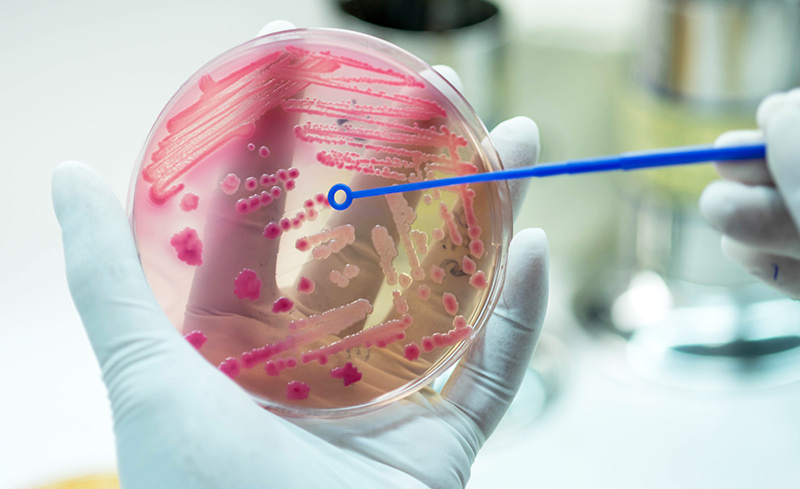
Researchers are collaborating to understand how AMR is impacted by a range of factors
The G7 also stressed the need for collaborative efforts for a better understanding of how AMR is impacted by a range of factors. Taking up this challenge; several initiatives has been put in place to study this. Most recently the United Nations Environment Programme and the Indian Council of Medical Research have launched a project looking at ‘Priorities for the Environmental Dimension of Antimicrobial Resistance in India.’ The project aims to strengthen the environmental aspects of national and state-level AMR strategies and action plans. In a similar development the European Food Safety Agency published an assessment of the role played by food production and its environment in the emergence and spread of antimicrobial resistance. Publishing the findings in the EFSA journal, the report indicated that fertilisers of faecal origin, irrigation and water are the most significant sources of AMR in plant-based food production and aquaculture.
Meanwhile, the first quarter of 2021 saw Ineos donate £100 million to the University of Oxford to establish a new antimicrobials research facility. The Ineos Oxford Institute for Antimicrobial Resistance aims to create collaborative and cross disciplinary links involving the university’s department of chemistry and department of zoology. The Institute also intends to partner with other global leaders in the field of AMR.
Partnering with India, the UK has committed £4 million to the AMR fight. With a total investment of £8 million, the partners have established five joint research projects which aim to develop a better understanding of how waste from antimicrobial manufacturing could be inadvertently fuelling AMR.
02 September 2021 |
|
|
Sustainability & Environment
If you’re a vegan, do you really want to eat a ruby-red slab of plant protein that looks like lamb? If you are a health obsessive, would you opt for an ultra-processed, plant-based product if you knew it didn’t contain many vitamins and micro-nutrients? And why, oh why, are we so obsessed with recreating the taste and appearance of the humble hamburger?
These questions and more were posed by Dr David Baines in the recent ‘No meat and two veg – the chemistry challenges facing the flavouring of vegan foods’ webinar organised by SCI’s Food Group. The flavourist, who owns his own food consultancy and is visiting Professor at the University of Reading, painted a vivid picture of our changing culinary landscape – one in which 79% of Millennials regularly eat meat alternatives.
And this shift in diet isn’t just the preserve of the young. According to Dr Baines, 54% of Americans and 39% of Chinese people have included more plant-based foods and less meat in their diets. Furthermore, 75% of Baby Boomers – those born between 1946 and 1964 – are open to trying cultivated meat.
There are many reasons for this gradual shift. The woman biting into Greggs’ famous vegan sausage roll and the woman who carefully crafts her bean burger may have different reasons for choosing meat alternatives. For some, it’s an ethical choice. For others, it’s environmental or health-related. And then there are those of us who are simply curious.

Pea protein powder is used in plant-based meat alternatives.
Either way it’s an industry that, if you’ll excuse the pun, is set to mushroom. According to Boston Consulting Group and Blue Horizon research, the global meat-free sector will be worth US$290 billion by 2035. They also claim Europe will reach peak meat consumption by 2025, and Unilever is aiming to sell US$1 billion-worth of plant-based meat and dairy alternatives by 2025-27.
In his entertaining talk, Dr Baines outlined the extrusion processes that turn wheat and pea proteins into large ropes of fibrous material and how soy isolates are spun into textured proteins using looms like those used in the cotton industry. He explained how calcium is used to imitate the chewable texture of chicken and how Impossible Foods is using the root nodules of bean plants to produce the red colour we recognise so readily in meat.
>> For more interesting SCI webinars on battery developments, medicinal chemistry and more, check out our events page.
So, how close are we to products with the appearance, taste and texture of, let’s say, beef? ‘I think that will come from cultured meat to start with,’ he said. ‘Where the protein is produced, it will still need to be flavoured, but the fibres will have formed and the texture is already present in some of those products.
‘It’s a big ask and it’s been asked for a long time. It’s going to be a long time before you put a piece of steak on one plate and a plant-based [product] on another and they will be visually, texturally and taste(-wise] identical.’
And what appetite do people even have for these plant-based facsimiles? ‘There are people who want plant proteins not to look like meat, and there are people who want them to look like meat,’ he added. ‘The driver at the moment is to make them look like meat, and the driver is to make it taste like meat too.’
Baines wondered aloud about the bizarre fixation some have with recreating and eating foods that look and taste like beef burgers. In contrast, he pointed to the examples of tofu and soy-based products that have been developed in South East Asia – distinct foods that do not serve as meat substitutes.
Plant-based proteins are undoubtedly part of our culinary future, but these products have other barriers to surmount beyond taste and texture. There is no getting around the fact that plant-based proteins are ultra-processed in a time when many are side-stepping processed foods. Baines also explained that these protein- and fibre-rich foods tend to have lower calorific content, but lack vitamins and micronutrients. ‘Will they be supplemented?’ Baines asked. ‘How much will the manufacturers of these new products start to improve the nutritional delivery of these products?’

We have now entered the age of the gluten-free, vegan sausage roll.
But it’s easy to forget that the leaps made in recent years have been extraordinary. Who would have predicted back in 1997 – when Linda McCartney was at the vanguard of the niche, plant-based meat alternative – that a vegan sausage roll would capture the imaginations of a meat-hungry nation? Who would have foreseen fast-food manufacturers falling over each other to launch plant-based burgers and invest in lab-grown meat?
As Dr Baines said: “This is a movement that is not going away.”
>> Our soils provide 97% of our food. Read more about how they are undervalued and overused here.
10 August 2021 |
|
|
Science & Innovation
This week SCI is joining with business and academia to mark #BlackInChem, an initiative to advance and promote a new generation of Black chemists.
Over the coming weeks, we shall be profiling past and present Black chemists, many of whom are unsung heroes, and whose work established the foundations on which some of our modern science is built. We start with the outstanding contribution made by Percy Lavon Julian (1899-1975).
Born on 11 April 1899 in Montgomery, Alabama, US, Percy L Julian was the son of a clerk at the United State Post Office and a teacher. He did well at school, and even though there were no public high schools for African Americans in Montgomery, he was accepted at DePauw University, Indiana, in 1916.
Due to segregation Julian had to live off campus, even struggling initially to find somewhere that would serve him food. As well as completing his studies, he worked to pay his college expenses. Excelling in his studies, he graduated with a BA in 1920.
Julian wanted to study chemistry, but with little encouragement to continue his education, based on the fact there were few job opportunities, he found a position as a chemistry instructor at Fisk University, Nashville, Tennessee.
In 1922 Julian won an Austin Fellowship to Harvard University and received his MA in 1923. With no job offers forthcoming, he served on the staff of predominantly Black colleges, first at West Virginia State College and in 1928 as head of the department of chemistry at Howard University.
In 1929 Julian received a Rockefeller Foundation grant and the chance to earn his doctorate in chemistry. He studied natural products chemistry with Ernst Späth, an Austrian chemist, at the University of Vienna and received his PhD in 1931. He returned to Howard University, but it is said that internal politics forced him to leave.
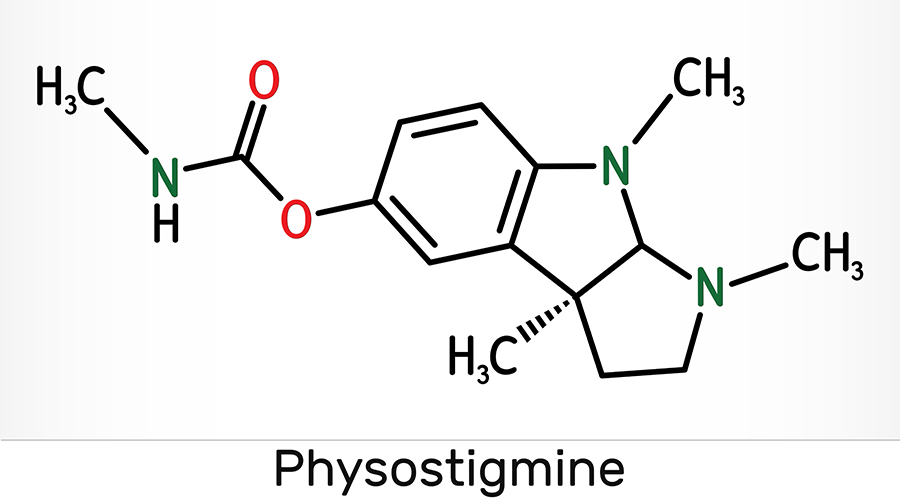
Physostigmine was synthesised by Julian
Julian returned to DePauw University as a research fellow during 1933. Collaborating with fellow chemist and friend Josef Pikl, he completed research, in 1935, that resulted in the synthesis of physostigmine. His work was published in the Journal of the American Chemical Society.
Physostigmine, an alkaloid, was only available from its natural source, the Calabar bean, the seed of a leguminous plant native to tropical Africa. Julian’s research and synthesis process made the chemical readily available for the treatment of glaucoma. It is said that this development was the most significant chemical research publication to come from DePauw.
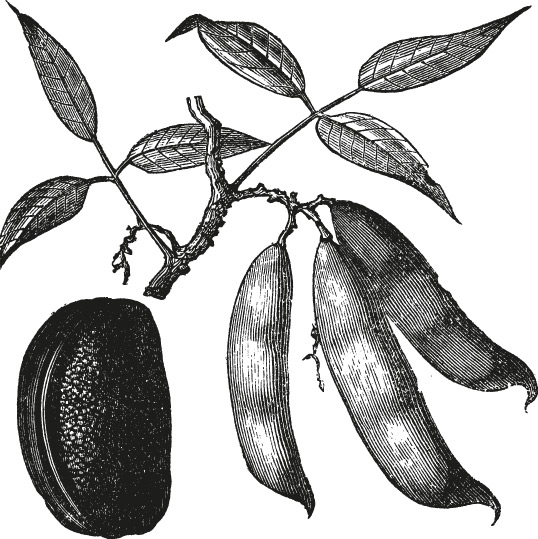
Calabar bean
Once the grant funding had expired, and despite efforts of those who championed his work, the Board of Trustees at DePauw would not allow Julian to be promoted to teaching staff. He left to pursue a distinguished career in industry. It is said that he was denied one particular position as a town law forbid ‘housing of a Negro overnight.’ Other companies are also said to have rejected him because of his race.
However, in 1936 he was offered a position as director of research for soya products at Glidden in Chicago. Over the next 18 years, the results of his soybean protein research produced numerous patents and successful products for Glidden. These included a paper coating and a fire-retardant foam used widely in World War II to extinguish gasoline fires. Julian’s biomedical research made it possible to produce large quantities of synthetic progesterone and hydrocortisone at low cost.

Percy Lavon Julian | Editorial credit: spatuletail / Shutterstock.com
By 1953 Julian Laboratories had been established, an enterprise that he went on to sell for more than $2 million in 1961. He then established the Julian Research Institute, a non-profit research organisation. In 1967 he was appointed to the DePauw University Board of Trustees, and in 1973 he was elected to the National Academy of Sciences, the second African American to receive the honour.
He was also widely recognised as a steadfast advocate of human rights. Julian continued his private research studies and served as a consultant to major pharmaceutical companies until his death on 19 April 1975. Percy Lavon Julian is commemorated at DePauw University with the Percy L Julian Science and Mathematics Center named in his honour. During 1993 the United States Postal Service commemorated Julian on a stamp in recognition of his extraordinary contribution to science and society.
09 August 2021 |
|
|
Agrifood
Main image: Pea crop | Image credit: Geoff Dixon
Peas are a very rewarding garden crop. Husbandry is very straightforward, producing nutritious yields and encouraging soil health by building nitrogen reserves for future crops.
Rotations usually sequence cabbages and other nitrogen-demanding crops after peas. This is a sustainable way to use the organic nitrogen reserves left by pea roots resulting from their mutually beneficial association with benign bacteria. These microbes capture atmospheric nitrogen, producing ammonia, nitrites and nitrates in a sequence of natural steps.
Peas originated in the Mediterranean. They were cultivated continuously by ancient civilisations and through medieval times, and are now the seventh most popular vegetable.
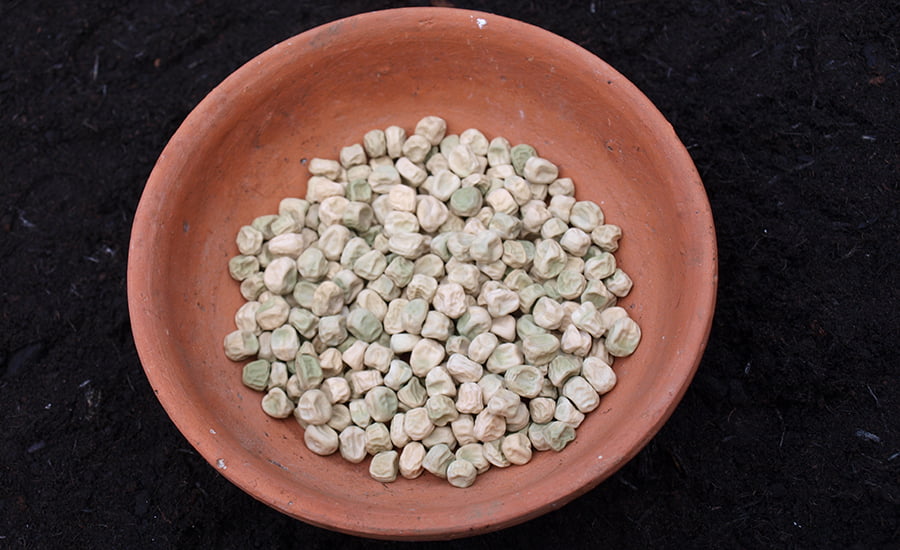
Illustration 1: Pea seeds | Image credit: Geoff Dixon
In bygone centuries, peas provided a protein source for the general population as cooked meals of pea soup and pease pudding helped keep famine at bay before the introduction of potatoes. In the 18th century, French gardeners working for the aristocracy produced fresh peas using raised and protected beds of fermenting animal manure. The composting processes produced heat and released carbon dioxide, stimulating rapid growth.
Generally, however, eating fresh peas only gained popularity in the 20th century as canned and then quick-frozen foods were invented, and large-scale technological development enabled mechanised and automated commercial precision cropping. In recent times, retail market demand has returned for unshelled podded peas – a manually picked crop known colloquially as ‘pulling peas’.
How to grow peas
Seeds can be sown directly (illustration 1) or transplants (illustration 2) can be raised under protection, giving an early boost for growth and maturity. Peas are cool season crops. They grow best at 13-18°C and mature about 60 days after sowing.

Illustration 2: Pea seedlings | Image credit: Geoff Dixon
Some cultivars such as Meteor can be grown over winter, preferably protected with cloches for very early cropping. The spring sown The Sutton cultivar group (CV) gives rapid but modest returns, and main crop CVs, such as Hurst Green Shaft, deliver the heaviest returns (illustration 2). This cultivar forms several long, well-filled pods at the fruiting nodes.
Sugar peas or mange tout – where the entire immature pod is eaten – is a popular fresh crop, while quick-growing pea shoots that mature in 20 days from sowing are excellent additions for salads or as garnishes for warm cuisine.
Human health benefits significantly by including peas in the diet. As well as being an excellent protein source, they produce a range of vitamins and nutrient elements. Their coumestrol content aids the control of blood sugar levels, helping combat diabetes, heart diseases and arthritis.
So, it’s certainly worth finding a spot for this versatile vegetable in your garden.
Written by Professor Geoff Dixon, author of Garden practices and their science.
26 July 2021 |
|
|
Agrifood
The iris family (Iridaceae) provides gardeners with a glorious array of colourful and frequently well scented flowers. Originating from both tropical and temperate regions, some such as freesias are best cultivated under protection. Others such as gladioli and crocus are reliable garden plants.
Iris, or fleur-de-lis, is one of the larger genera, offering colour and interest from the very earliest springtime through to May and June. The earliest and always most welcome is Iris unguicularis (previously Iris stylosa). Flowers (see illustration 1) emerge in the darkest days of December, encouraged by the warming effects of climate change.

Illustration 1: Iris unguicularis (syn Iris stylosa) / Image credit: Geoff Dixon
Originating from North Africa, it thrives in south facing dry borders, preferably under a wall where winter sunshine encourages proliferous flowering. Every few years, lift and divide the clump of small rhizomes after flowering has finished. Remove older growth and replant younger roots with a modest handful of compost and water well. Established clumps can be cut back, removing dead leaves during late spring.
By contrast Iris pseudacorus, the water flag, thrives in wet, boggy places or even when immersed in water. Found across Europe, it is a British native plant producing vivid yellow flowers that are rich sources of nectar. In parts of Scotland it forms large expanses of natural growth that are favoured by nesting corncrakes. It can be cultivated as part of water purification programmes since nitrogen and phosphorus are extracted by the vigorous root systems.

Illustration 2: Iris germanica / Image credit: Geoff Dixon
The prima donna is Iris germanica, the flag or bearded iris. These are stately plants, producing flower spikes up to one metre high and furnished with multicoloured flowers (illustration 2). Upright standard petals can contrast completely with the falls which bear a beard of yellow pollen bearing stamens. Fertiliser should be applied as the flower spikes appear. It should be applied again after flowering, stimulating root growth in anticipation of a colourful display in the next season.

Illustration 3: Rhizome ready for division / Image credit: Geoff Dixon
The rhizome is a large swollen ground-creeping stem from which side shoots develop with a terminal area of older tissue (illustration 3). Every four or five years, the rhizomes should be lifted and divided by removing the terminal tissue and splitting off side shoots with a sharp knife. These and the main rhizome should be replanted carefully, ensuring that they rest on the soil surface with their fibrous roots buried beneath them. Multiplication eventually provides a border filled with very colourful displays that can persist for a month since flowers frequently emerge along most of the spike.
Written by Professor Geoff Dixon, author of Garden practices and their science, published by Routledge 2019.
14 June 2021 |
|
|
Health & Wellbeing
Watching plants grow in a hydroponic contraption is an education. The plants sit in foam under UV light while their roots feed on water fortified by plant feed. There is no soil. No thirst. No room for death by lazy gardener. The results, as any hydroponic enthusiast will tell you, are startling.
So, what if we were to adopt this targeted, optimised approach to our own nutrition? What would happen if he were to ditch that delicious Sunday roast in favour of a shake that contains all the vitamins and minerals your body needs? Admittedly, it sounds terrible, but people do something similar already. Many gym obsessives take protein shakes religiously to feed their bodies’ impressive musculature, while others skip meals entirely in favour of such drinks and supplements.
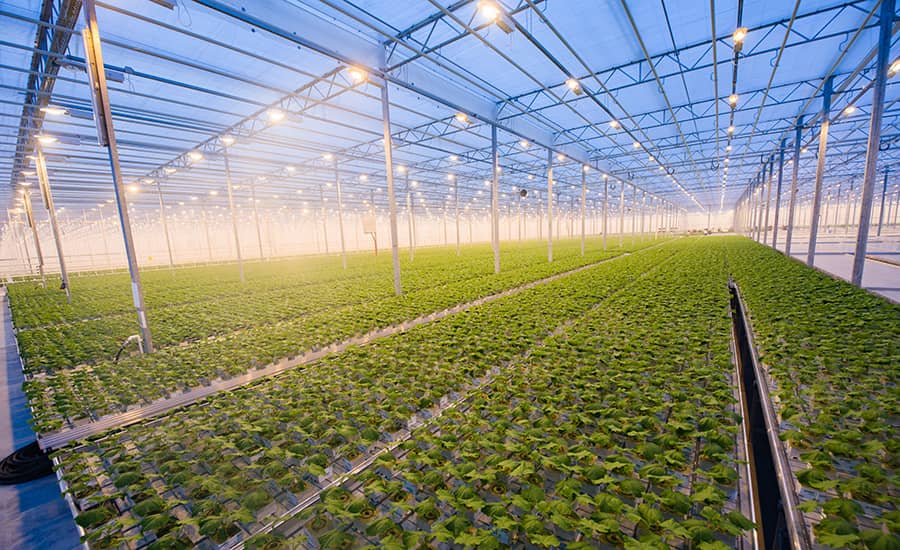
An organic hydroponic vegetable cultivation farm
A recent study conducted by the Cherab Foundation, which featured in the Alternative Therapies journal, concludes that nutritional supplements may also help boost our brain function. After giving 77 people a vitamin and meal replacement product called IQed Smart Nutrition, the researchers from the non-profit organisation found that the supplement boosted brain function in a range of areas and could help people with autism, apraxia, and ADHD.
Almost 84% of participants reported deficits in speech and communication prior to taking the nutritional supplements. After taking the product, more than 85% said their expressive speech had improved while 67% of respondents reported improvements in other areas including focus, language understanding, oral motor skills, and physical and behavioural health.
Overall, 64% of participants reported positive changes within two weeks. According to the Cherab Foundation, the research aims “to guide future research into the dietary interventions and potential management of neurological conditions using natural food products, vitamin and mineral supplements”.
So, what ingredients are in the supplement-infused chocolate shake that will replace the wood-fired pizza you’re due to have next Friday evening? According to IQed, its powdered chocolate offering contains everything from brown rice, apple fibres, turmeric, and green tea, to copper gluconate, amalaki, cayenne pepper, and chia seeds.

Turmeric, cayenne pepper, and chia seeds have hopped onto the superfood bandwagon in recent years.
Some will dismiss these supplements as hocus-pocus, but the potential benefits of optimised nutrition are exciting nonetheless. If some wince-inducing elixir makes us healthier, stronger and live longer, perhaps it’s worth investigating further?
The Cherub Foundation works to improve the communication skills, education, and advocacy of children on the neurological spectrum. To read more about its study, visit: https://pubmed.ncbi.nlm.nih.gov/32088673/
08 June 2021 |
|
|
Agrifood
Perennial bush soft fruits are among the crown jewels of gardening. Gooseberries, red currants and blackcurrants when well established will annually reward with crops of very tasty ripe fruit which provide exceptional health benefits. These bushes will mature into quite sizeable plants so only relatively few, maybe one to five of each will be sufficient for most home gardeners or allotment owners.
Header image: Gooseberries | Image credit: Geoff Dixon
The art of successful establishment lies in initial care and planting. Buy good quality dormant plants from reputable nurseries or garden centres. Plunge the roots deeply in a bucket of water and plant as quickly as possible. These crops need rich fertile soil which is weed free and has recently been dug over with the incorporation of farmyard manure or well-rotted compost. Each bush requires ample growing space with at least a one metre distance within and between rows.
Take out a deep planting hole and soak with water. Place the new bush into the hole, spreading out the root system in all directions. Add mycorrhizal powder around and over the roots, which encourages growth promoting fungi. These colonise the roots, aiding nutrient uptake and protecting from soil borne pathogens. Carefully fold the soil back around the roots, shaking the plant. That settles soil in and around the roots and up to the collar which shows where the plant had grown in the nursery. Tread around the collar to firm the plant and add more water. Normally, planting is completed in late winter to early spring before growth commences.
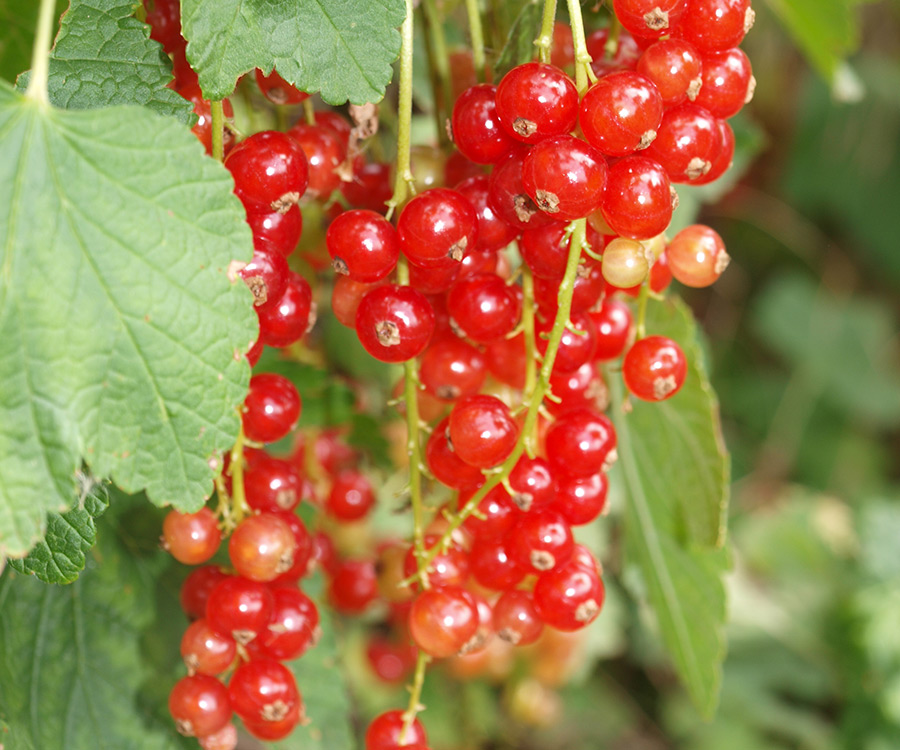
Redcurrants | Image credit: Geoff Dixon
As buds open in spring, keep the plants well-watered. It is crucially important that the young bushes do not suffer drought stress, especially during the first summer. Supplement watering with occasional applications of liquid feed which contains large concentrations of potassium and phosphate plus micro nutrients. Remove all weeds and flowers in this first year. That concentrates all the products of photosynthesis into root, shoot and leaf formation for future seasons. Clean up around the plants in autumn, removing dead leaves that might harbour disease-causing pathogens.
These plants will flower and fruit from the first establishment year. Each bush will produce fruit which is a succulent and rewarding source of health-promoting vitamins and nutrients.
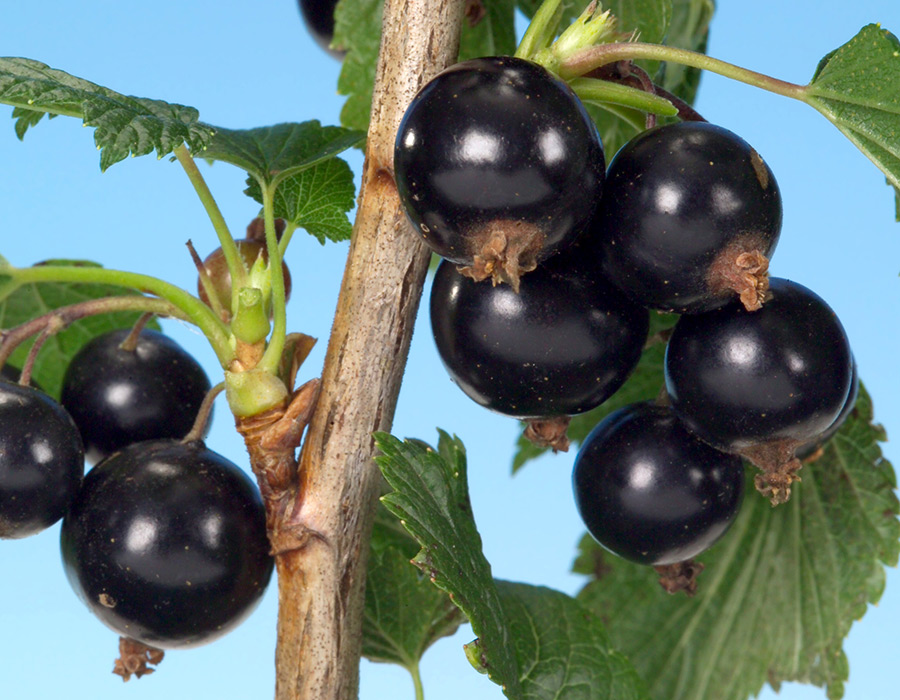
Blackcurrants | Image credit: Geoff Dixon
Blackcurrants are a fine source of vitamin C and have twice the antioxidant content of blueberries. Redcurrants are sources of flavonoids and vitamin B, while gooseberries are rich in dietary fibre, copper, manganese potassium and vitamins C, B5 and B6.
Blackbirds also like these fruits so netting or cages are needed! Continuing careful husbandry will yield a succession of expanding and rewarding crops.
Written by Professor Geoff Dixon, author of Garden practices and their science, published by Routledge 2019.
10 May 2021 |
|
|
Sustainability & Environment
Sometimes, when you try to solve one problem, you create another. A famous example is the introduction of the cane toad into Australia from Hawaii in 1935. The toads were introduced as a means of eliminating a beetle species that ravaged sugar cane crops; but now, almost a century later, Western Australia is inundated with these venomous, eco-system-meddling creatures.
In a similar spirit, disposable face masks could help tackle one urgent problem while creating another. According to researchers at Swansea University, nanoplastics and other potentially harmful pollutants have been found in many disposable face masks, including the ones some use to ward off Covid-19.
After submerging various types of common disposable face masks in water, the scientists observed the release of high levels of pollutants including lead, antimony, copper, and plastic fibres. Worryingly, they found significant levels of pollutants from all the masks tested.
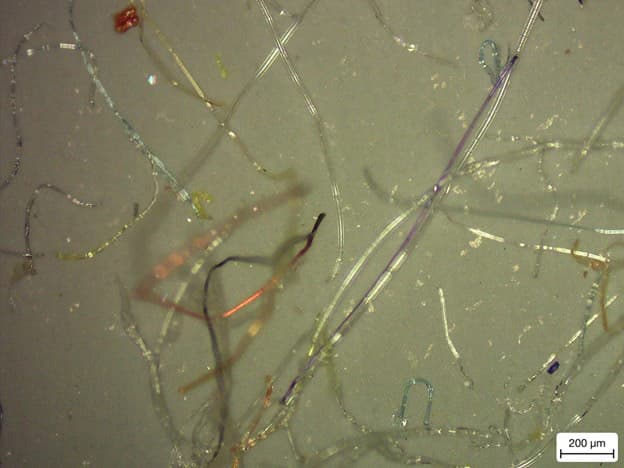
Microscope image of microfibres released from children's mask: the colourful fibres are from the cartoon patterns | Credit: Swansea University
Obviously, millions have been wearing single-use masks around the world to protect against the Covid-19 pandemic, but the release of potentially harmful substances into the natural environment and water supply could have far-reaching consequences for all of us.
‘The production of disposable plastic face masks (DPFs) in China alone has reached approximately 200 million a day in a global effort to tackle the spread of the new SARS-CoV-2 virus,’ says project lead Dr Sarper Sarp, whose team’s work has been published on Science Direct. ‘However, improper and unregulated disposal of these DPFs is a plastic pollution problem we are already facing and will only continue to intensify.

The presence of potentially toxic pollutants in some face masks could pose health and environmental risks.
‘There is a concerning amount of evidence that suggests that DPFs waste can potentially have a substantial environmental impact by releasing pollutants simply by exposing them to water. Many of the toxic pollutants found in our research have bio-accumulative properties when released into the environment and our findings show that DPFs could be one of the main sources of these environmental contaminants during and after the Covid-19 pandemic.’
The Swansea scientists say stricter regulations must be enforced during manufacturing and disposal of single-use masks, and more work must be done to understand the effect of particle leaching on public health and on the environment. Another area they believe warrants investigation is the amount of particles inhaled by those wearing these masks.
‘This is a significant concern,’ adds Sarp, ‘especially for health care professionals, key workers, and children who are required to wear masks for large proportions of the working or school day.’
07 May 2021 |
|
|