Agrifood
How do green spaces, gardens as well as fruit and vegetables impact our health and wellbeing? Professor Geoff Dixon tells us more.
‘We are what we eat’ is an aphorism that is becoming much better understood both by the general public and by healthcare professionals. Similarly, ‘we are where we live’ is gaining greater appreciation. Both these pithy observations underline the social and economic importance of horticulture and the allied art of gardening.

An exuberant display of flowers – what can be better for the soul?
Few things stimulate the human spirit more than a fine, colourful display of well grown and presented flowers. Seeing and working with green and colourful plants is increasingly recognised for its psychological power, reducing stress and increasing wellbeing. In our increasingly urbanised society, with myriads of high-rise housing blocks, the provision of well-tended parks and gardens is not a luxury – it is essential.
Hospital patients recover more quickly when they can see and sit in green spaces. Equally, providing access to gardens and gardening for schools should be a vital part of the children’s environment. They gain an understanding of biological mechanisms and the equally important need for conserving biodiversity and controlling the rate of climate change.
The recently published National Food Strategy (Gov.uk, PDF) emphasised the importance of fruit and vegetables as a major part of our diets. Both fruit and vegetables provide essential vitamins, nutrients and fibres which consumed over time diminish the incidence of cancers, coronary, strokes and digestive diseases.

Apricots are high in catechins.
Eating varying types of fruit and vegetables increases their value – apricots, for example, are high in catechins which are potent anti-inflammatory agents. Members of the brassica (cabbage) family are exceptionally valuable for mitigating diseases of ‘modern society’. All contain glucosynolates, which evolved as means for combating pest and pathogen attacks and co-incidentally provide similar services for humans. Watercress – an aquatic brassica – is rich in vitamins A, C and E, plus folate, calcium and iron. Its high water content means portions consumed fresh or as soups are low in calories.
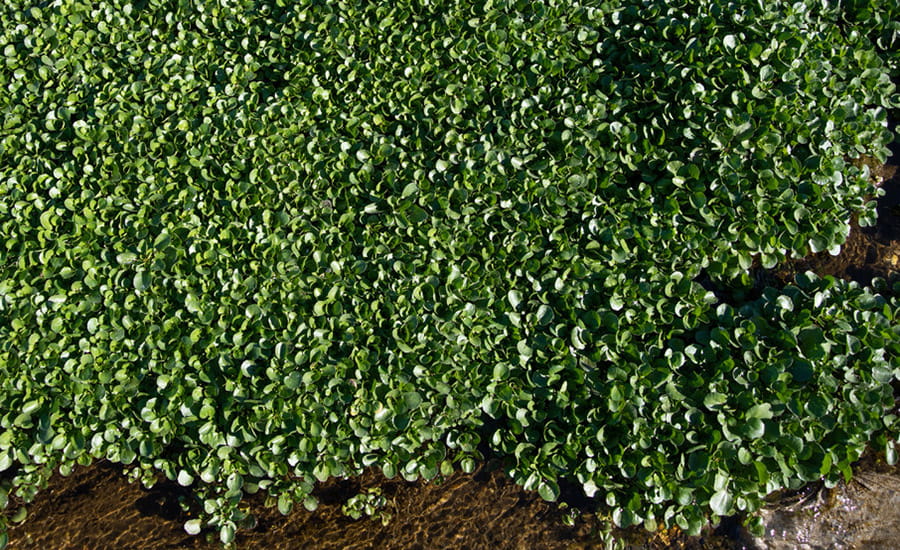
Watercress – an aquatic brassica boasts numerous health benefits.
These messages and facts are now being recognised both publicly and politically, and not before time. For the past 50 years the universal panaceas have been pharmaceutical drugs. In moderation, these have been of immense value. Use to excess is both counterproductive and needlessly expensive health-wise and financially.
Returning to Grandma’s advice, ‘an apple a day keeps the doctor away’, supports both individual and planetary good health.
Written by Professor Geoff Dixon, author of Garden practices and their science, published by Routledge 2019.
12 May 2022 |
|


 |
|

Agrifood
There was a happening in York recently – a Hemp Happening – organised by SCI’s Agrisciences Group and Biovale. It took place at York’s STEM Centre and explored the issues around growing and using industrial hemp. Despite these issues, there is a growing demand for hemp fibre and shiv as we look to use sustainable natural fibres and move to a low-carbon economy.
In 10 years’ time, you’ll walk out of your hemp-insulated home, wearing your hemp fibre t-shirt, polishing off the last of your hemp and beet burger, before heading to work in your hemp seed oil-powered car.
Is this scenario fantastical? Yes, obviously, but as delegates attending Hemp Happening explained on 6 April, all of these products exist right now. The sheer breadth of them underlines what a useful and versatile material hemp is. If enabled through policy, hemp could play a big part in our low-carbon future. Here are five ways it could make a significant difference.
1. Carbon sequestration
Hemp has much-vaunted carbon-sequestering potential which, given our climate change travails, could prove extremely useful. Some experts say it is even better at capturing atmospheric carbon than trees. According to SAC Consulting, industrial hemp absorbs nine to 13 tonnes of CO2 per hectare. To put hemp’s absorption capacity into context, hemp market specialists Unyte Hemp said it absorbs 25 times more CO2 than a forest of the same size.
Of course, that’s all very well, but how do you make sure this carbon remains sequestered?
2. A future heavyweight champion?
One fitting home for hemp (and the carbon it has captured) is in construction, especially given the carbon-intensive nature of the industry. So, with the pressure intensifying to replace and retrofit the UK’s inefficient building stock, hemp is well placed to reduce emissions and improve building performance.
Hemp is not just used in insulation materials due to its excellent thermal performance characteristics. It is also used in rendering buildings and for non-load bearing blocks in construction. Indeed, hempcrete blocks, which are made from hemp shiv, lime, and sand or pozzolans, have a net carbon negative footprint.
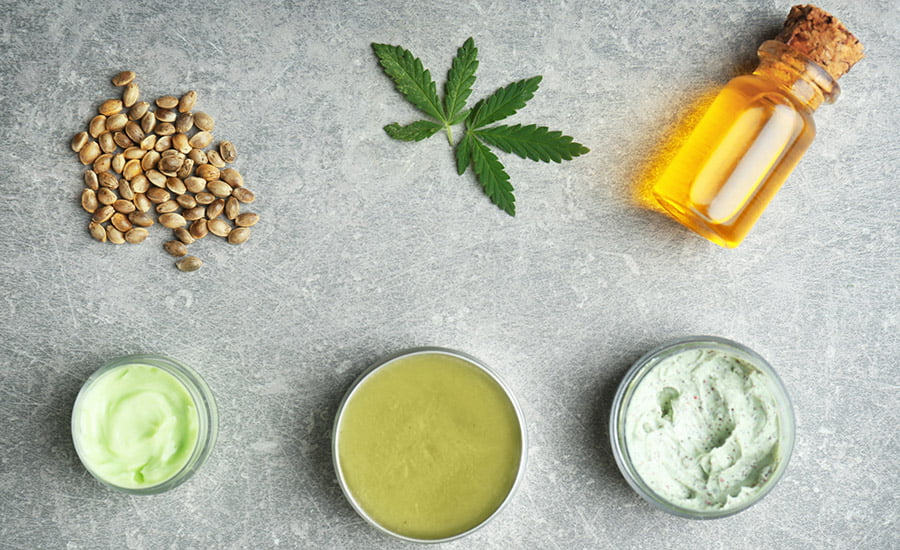
Hemp is used in everything from food supplements to medicines, cosmetics, and construction products.
3. Farmer’s friend
Hemp also helps the earth. As flash flooding strips our soils, the plant’s root density and deep structure protects against soil erosion and mitigates compaction. Hemp also provides nutrients to help maintain soil health, making it useful in crop rotation.
As insect populations dwindle, the role of pesticides and herbicides are coming into sharper relief. In that respect, hemp has a natural advantage over other crops as it doesn’t require pesticides and fertilisers.
4.The Swiss Army knife of materials
We have long heard of the health benefits of hemp-derived products such as cannabidiol oil (or CBD oil), but pretty much the whole plant can be used. Its seeds are rich in omega-3, omega-6, and fatty acids, and help fend heart problems.
As mentioned above, the fibrous part of the plant sequesters carbon and produces low-carbon materials for construction, while its roots are used to treat joint pain and for deep tissue healing.
And then we have hemp for bioethanol production and even hemp seed veggie burgers. The list goes on; so, there are many ways for farmers to make money from it.
>> What can be done to make our soils healthier? Take a look at our blog on solving soil degradation.
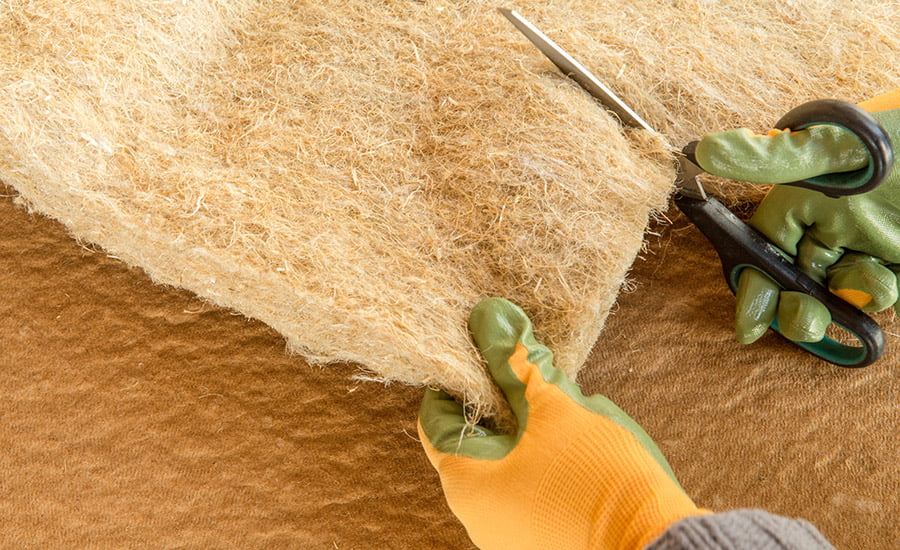
Hemp has excellent insulation properties.
5. Non-thirsty textiles
I bet you know at least one person with a bamboo t-shirt or socks. Hemp has similar textile potential to its super material cousin. As the fashion industry interrogates its wayward past, the pressure will increase to lighten the footprint of clothing materials. Estimates vary, but hemp is said to need less than half the water required to cultivate and process than cotton textiles and its toughness is handy in long-lasting carpeting.
Mr Elephant, could you step through please?
Hemp has been heralded as a wonder material for decades but there is that elephant in the room. The restricted uses of hemp-related materials curb the extent to which it can be grown in the UK. At the event, delegates noted that outdated legislation, lack of government support, and education are among the factors holding back the growth of hemp on an industrial scale.
And yet, there is growing demand for natural materials that tackle climate change, especially those that sequester carbon. With pension funds increasingly divesting from fossil fuels, and the ever growing importance of corporate sustainability in business, sustainable materials such as hemp are now more attractive.
Arguably the most exciting contribution of the day was the mention of zero-cannabinoid industrial hemp. Even though the THC content levels present in hemp are low (compared to the high levels found in marijuana) and it’s unattractive as a THC source, hemp is still very strictly regulated in the UK compared to North America and the rest of the EU.
One participant mentioned that hemp genes could be edited to remove the cannabinoid – and, if that were to be achieved, it could change everything. Then we would really see hemp happening in the UK.
>> Interested in more events like this one? Visit our Events pages.
19 April 2022 |
|
|
Agrifood
Crop rotation, seaweed extracts, lime, and a range of organic materials can all improve soil health and crop yields. Professor Geoff Dixon shows you several ways to improve your soil.
Rapidly rising costs of living are affecting all aspects of life. Increasing costs of fertilisers are affecting food production, both commercially and in gardens and allotments.
Wholesale prices of fertilisers have jumped four-fold from £250 to £1,000 per tonne within six months. All forms of garden fertilisers are now much more expensive. Crops, especially vegetables, only thrive if provided with adequate nutrition (see nitrogen-deficient lettuce below). Consequently, fertiliser use must become more efficient.
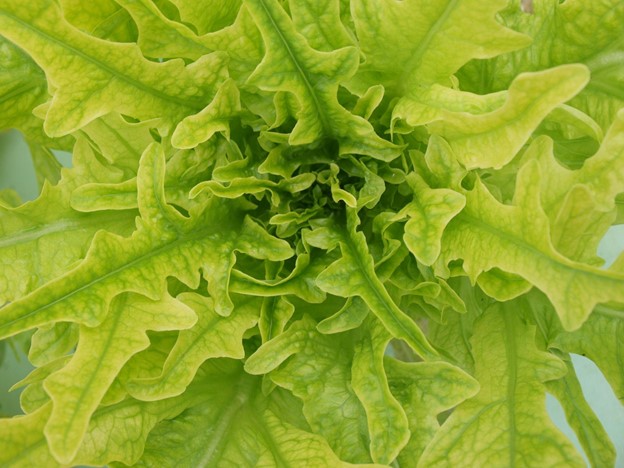
Nitrogen deficiency in lettuce.
Healthy, fertile soils achieved through good management are key to this process. That ensures roots can take up the nutrients needed in quantities that result in balanced, healthy growth.
Soil pH is a major regulator of nutrient availability for roots. Between pH 6.5 to 7.5, the macro nutrients, nitrogen, phosphorus, and potassium are fully available for root uptake. Below and above these values, nutrient absorption becomes less efficient.
>> How much soil cultivation do you need for your vegetables? Find out more in Prof Dixon's blog on cultivation.
As a result, soluble nutrients are wasted and washed by rainfall below the root zones. Acidic soils can be improved by liming in the autumn. Sources of lime derived from crushed limestone require up to six months to cause changes in soil pH values. Lime should be used in ornamental gardens with caution as it can result in micronutrient deficiencies.
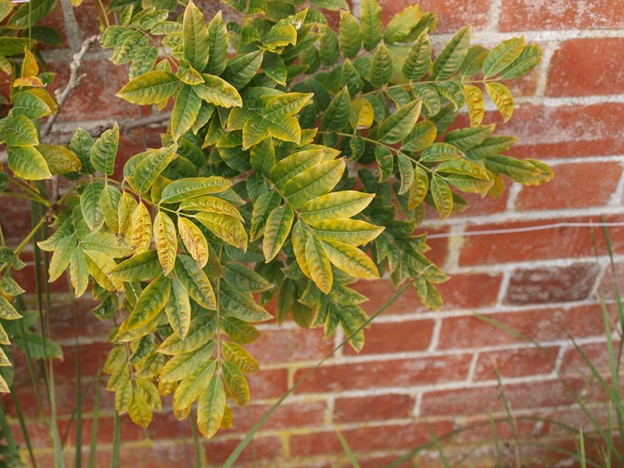
Iron deficiency in wisteria.
Soil health and fertility are greatly increased by adding organic materials such as farmyard manure and well-made composts. Increasing soil carbon content helps mitigate climate change while raising fertiliser use efficiencies.
Beneficial soil biological life such as earthworms, insects, benign bacteria and fungi are greatly encouraged when you increase soil humus content. Using crop rotations, which include legumes, raises natural levels of soil nitrogen. This is a result of legumes’ symbiotic relationships with nitrogen-fixing bacteria.
Leafy vegetables such as brassicas require large amounts of nitrogen and, hence, should follow legumes in a rotation. Avoiding soil compaction encourages adequate aeration, benefiting root respiration and providing oxygen for other organisms.
Organic materials are of great value in ornamental gardens when applied as top dressings in late autumn or early spring. This provides two benefits: a slow release of nutrients into the root zones as decomposition occurs, and prevention of weed growth.
Inorganic fertiliser use can be further minimised by using proprietary seaweed extracts. These contain macro- and micro-nutrients plus several natural biostimulant compounds that aid healthy ornamental plant growth and flowering (illustration no 3 rose Frűhlingsgold).

Rose frűhlingsgold
Written by Professor Geoff Dixon, author of Garden practices and their science.
28 March 2022 |
|
|
Agrifood
How do flowers use fragrance to attract pollinators, and how do pollution and climate change hamper pollination? Professor Geoff Dixon tells us more.
‘Fragrance is the music of flowers’, said Eleanour Sophy Sinclair Rohde, an eminent mid 20th century horticulturist. But they are much more than that. Scents have fundamental biological purposes. Evolution has refined them as means for attracting pollinators and perpetuating the particular plant species emitting these scents.
There are complex biological networks connecting the scent producers and attracted pollinators within the prevailing environment. Plants flowering early in the year are generalist attractors. By late spring and early summer, scents attract more specialist pollinators as shown by studies of alpines growing in the USA Rocky Mountains. This is because there is a bigger diversity of pollinator activity as seasons advance. Scents are mixtures of volatile organic compounds with a prevalence of monoterpenes.
Environmental factors will affect scent emission. Natural drought, for example, changes flower development and reduces the volumes and intensity of scent production. The effectiveness of pollinating insects, such as bees, moths, hoverflies and butterflies is reduced by aerial pollution.

Pheasant’s eye daffodils (Narcissus recurvus).
Studies showed there were 70% fewer pollinators in fields affected by diesel fumes, resulting in lower seed production. Pollinating insects do not find the flowers because nitrogenous oxides and ozone change the composition of scent molecules.
Extensive studies of changes in flowering dates show that climate change can severely damage scent–pollinator ecologies. Over the past 30 years, blooming of spring flowers has advanced by at least four weeks. Earlier flowering disrupts the evolved natural synchrony between scent emitters and insect activity and their breeding cycles. In turn that breaks the reproductive cycles of early flowering wild herbs, shrubs and trees, eventually leading to their extinction.
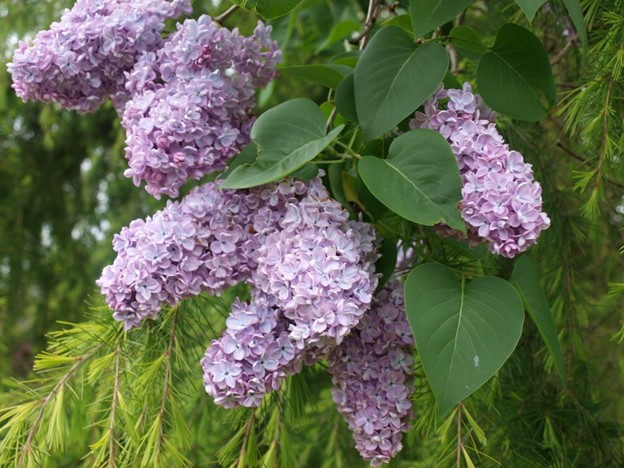
The lilac bush, known for its evocative scent.
Heaven scent
Scents provide powerful mental and physical benefits for humankind. Pleasures are particularly valuable for those with disabilities especially those with impaired vision. Even modest gardens can provide scented pleasures.
Bulbs such as Pheasant’s eye daffodils (Narcissus recurvus) (illustration no 1), which flower in mid to late-spring, and lilacs (illustration no 2) are very rewarding scent sources.
Sweetly perfumed annuals such as mignonette, night-scented stocks, candytuft and sweet peas (illustration no 3) are easily grown from garden centre modules, providing pleasures until the first frosts.

Sweet peas are easily grown from garden centre modules.
Roses are, of course, the doyenne of garden scents. Currently, Harlow Carr’s scented garden, near Harrogate, highlights the cultivars Gertrude Jekyll, Lady Emma Hamilton and Saint Cecilia as particularly effective sources of perfume. For larger gardens, lime or linden trees (Tilia spp) form profuse greenish-white blossoms in mid-season, laden with scents that bees adore.
Written by Professor Geoff Dixon, author of Garden practices and their science, published by Routledge 2019.
10 March 2022 |
|
|
Agrifood
The plant-based meat alternative market is growing rapidly, and cell-cultured meats could be coming soon to your dinner plate once they receive regulatory approval. Gavin Dundas, Patent Attorney at Reddie & Grose, provides his expert perspective on the state of the meat alternative market.
Which is receiving more emphasis based on patent activity: lab-grown meat or plant-based meat alternatives?
Comparing cultivated meat to plant-based meat is a bit like comparing apples and oranges.
Plant-based meat is here - it’s in shops, and it’s in growing numbers of restaurants and fast-food outlets. Even McDonald’s – arguably the world’s most well-known hamburger outlet – released its first plant-based burger in the UK on 13 October 2021: the aptly-named McPlant. The McPlant has been accredited as vegan by the Vegetarian Society, and includes vegan sauce, vegan cheese and a plant-based burger co-developed with Beyond Meat.
Cell-cultured meat is a very different prospect, as cellular agriculture is more high-tech, so companies entering that sector require a higher degree of specialised technical expertise. Companies delving into cultivated meat also require a fair bit of funding, as cultivated meat has not been approved for sale in any country other than Singapore, so it is not yet possible to sell their products to consumers.
The reality at the moment is that plant-based meat alternatives have a huge head-start in the marketplace, while cultivated meat is not yet on sale in most countries. So, for most new companies looking to make money in the alternative protein market, plant-based products are likely to be the easier way to start.
On the other hand, this means that the plant-based meat market is more crowded already, while cultivated meat companies are investing in the hope of getting a bigger share of that market once it matures.
In which food types have you seen a particular surge in patent applications, for example plant-based meat alternatives or lab-grown meat?
Based on searches using patent classification codes commonly used for plant-based meats and lab-grown meat (known as ‘cell-cultured meat’ or ‘cultivated meat’), it appears that there are significantly more patent applications in the field of plant-based meats, but that patent filings relating to cultivated meat are growing more quickly.
Of all the patent publications relating to plant-based meats, 15.2% were published since the start of 2020. Of the patent publications relating to cultivated meats, 27.6% were published since the start of 2020.
This outcome is probably not surprising. Plant-based meats have been around much longer and are now widely established in the market, so many more companies have had time and opportunity to file patent applications for innovations in this area. Cultivated meats are at an earlier stage in their development, but with a large number of new companies having been formed in this area in the last few years, it is not surprising that this has resulted in a high growth rate of patent applications as cultivated meat gets closer to commercial reality.

Beyond Meat’s plant-based meat substitutes have reached the mainstream. | Jonathan Weiss/Shutterstock
How much movement has there been on the equipment and other innovations that will facilitate large-scale meal alternative manufacturing?
There is a huge difference between small-scale production of cultivated meat in a laboratory, and the large-scale manufacturing that would be needed to supply supermarkets and restaurants throughout whole countries and - eventually - the whole world.
Growing meat using cellular agriculture involves the use of animal cell lines to grow animal products in bioreactors, where the cells are immersed in a growth medium that feeds nutrients to the cells as they develop. Over the last decade there have been huge advances in these processes, but as demand for cultivated meat grows there will definitely be continued innovation to improve efficiency and scale-up manufacturing capacity.
Commercial growth medium is currently costly, so the development of more cost-effective growth media is likely to be an area of much research. Another ongoing challenge is the development of high-quality cell lines and scaffold materials that are suitable for high-quality, large-scale production.
Bioreactor design is also expected to be a big area of innovation - up until now, bench-top bioreactors have in most cases been sufficient to meet the demands of cultivated meat R&D, but as demand increases bigger and better bioreactors will be needed. A particular challenge will be to design bioreactors capable of growing thick tissue layers on a commercially viable scale.
While there is scope for innovation in all of these areas, some companies are already ready to manufacture their cultivated meat products on a large scale. Future Meat Technologies, for example, opened its first industrial cultivated meat production facility in June 2021 in Rehovot, Israel - that facility is reportedly capable of producing 500kg of cultivated meat products every day. In November 2021, Upside Foods opened its first large-scale cultivated meat production plant in Emeryville, California, with the capacity to produce 22,680kg of cultured meat annually.
At the moment, however, a lack of regulatory approval is holding back cultivated meat production. While there are a number of companies that apparently have products ready for market, many will be unwilling to plough huge amounts of money into large-scale manufacturing facilities until they have regulatory approval that lets them actually sell their products.
Thinking of filing a chemistry patent in 2022? Here’s what you need to know.
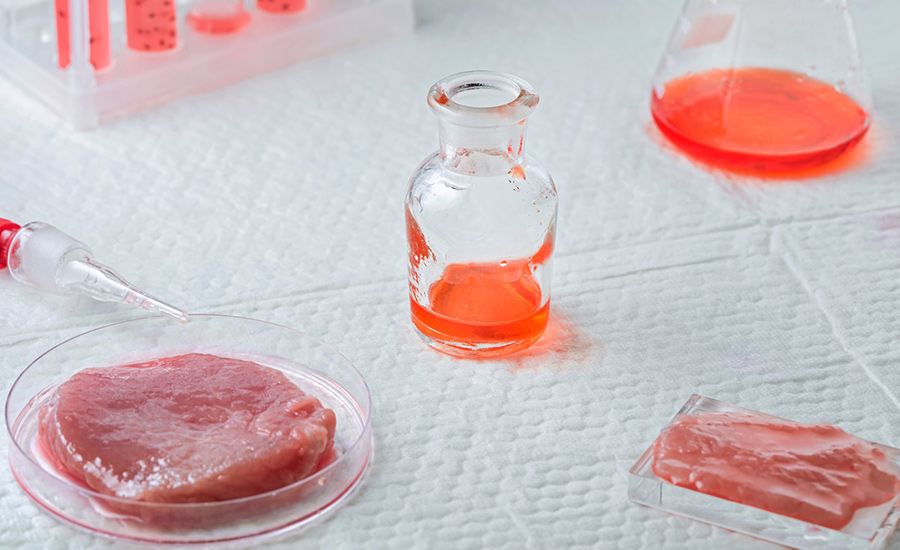
The UK has cutting-edge companies in the cultivated meat field.
Have any innovations or areas of innovation struck you as particularly exciting? If so, could you tell us more about them?
I am a meat-eater trying to cut down on my consumption of meat, due to a mixture of environmental and ethical motivations. So, as a consumer I’ve been very excited to see the arrival of plant-based meat into the mainstream.
I am particularly excited to try cultivated meat once it is approved for sale. Not long ago ‘lab-grown’ meat seemed like science-fiction, so to get to a point where you can go out and buy it will be incredible. So many people are unwilling to cut down on meat because they like the taste, and because their favourite meals are meat-based, so cultivated meat might hopefully give that same experience with fewer of the drawbacks of animal meat.
I am also excited to see the diversity of cultivated meat products. Cultivated meat chicken nuggets and beef burgers are the products that spring to mind when cell-cultured meat is mentioned, but there are companies out there developing cultivated bacon, pork belly, salmon and tuna, to name a few.
What are the chemistry challenges for those creating plant-based meat alternatives? Find out here.
Given what you know about the patent landscape, where do you think the meat alternative industry is heading, and at what sort of pace do you foresee significant change?
I think the meat alternative industry is only going to continue to grow, as concern over the environmental impact of our eating habits is growing, and the quality and availability of meat alternatives is getting better.
The plant-based meat industry is already doing well, and I expect it to continue on its upward trajectory. I expect companies in this field to continue to file patent applications for their innovations, and eventually we might see some of those patents being enforced to safeguard valuable market shares for the patent owners.
Cultivated meat is the sector that seems to be poised for the most significant change. At the moment, the lack of regulatory approval seems to be the thing holding it back, but if that hurdle is removed there are UK companies aiming to get cultivated meats into shops by 2023. The UK is lucky enough to be home to a number of cutting-edge companies in the field, and a recent report by Oxford Economics researchers forecast that cultivated meat could be worth £2.1 billion to the UK economy by 2030.
The idea of cultivated meat is unlikely to appeal to everyone, so I imagine that it will start out as something of a novelty, but I’d expect to see the availability and range of cultivated meat products grow significantly over the next decade.
Edited by Eoin Redahan. You can read more of his work here.
27 January 2022 |
|
|
Agrifood
How much soil cultivation do you need for your vegetables? Professor Geoff Dixon explains all.
Cultivating soil is as old as horticulture itself. Basically, three processes have evolved over time. Primary cultivation involves inversion which buries weeds, adds organic matter and breaks up the soil profile, encouraging aeration and avoiding waterlogging.
Secondary cultivation prepares a fine tilth as a bed for sowing small seeded crops such as carrots or beetroot. In the growing season, tertiary cultivation maintains weed control, preventing competition for resources (illustration no. 1) such as light, nutrients and water while discouraging pest and disease damage.
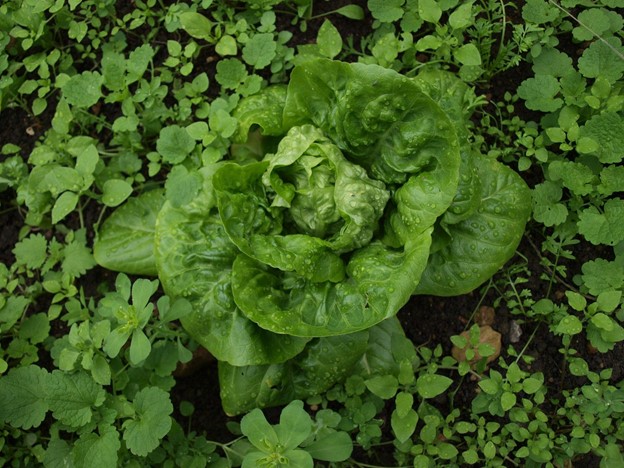
Lettuce and seed competition
The onset of rapid climate change encouraged by industrialisation has focused attention on preventing the release of carbon dioxide into the atmosphere. Ploughing disturbs the soil profile and accelerates the loss of carbon dioxide from soil.
It is also an energy intensive process. Consequently, many broad acre agricultural crops such as cereals, oilseed rape and sugar beet are now drilled directly without previous primary cultivation. An added advantage is that stubble from previous crops remains in situ over winter, offering food sources for birds. The disadvantages of direct drilling are: increased likelihood of soil waterlogging and reduced opportunities for building organic fertility by adding farmyard manure or well-made composts.
Overall, primary and secondary cultivation benefit vegetable growing. The areas of land involved are far smaller and the crops are grown very intensively. Vegetables require high fertility, weed-free soil, good drainage and minimal accumulation of soil-borne pests and diseases.
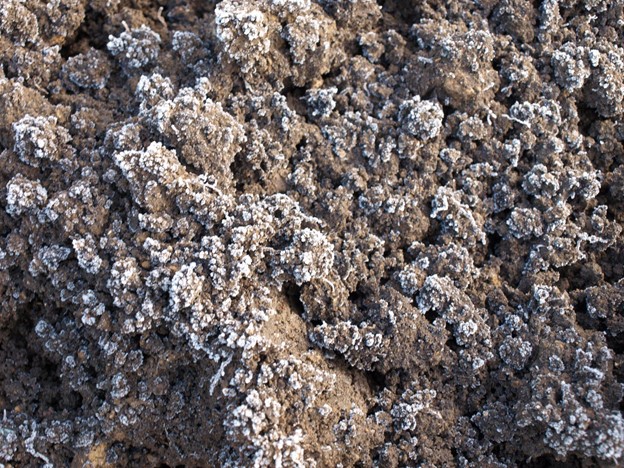
Frost action breaking down soil clods
Digging increases each of these benefits and provides healthy physical exercise and mental stimulation. Frost action on well-dug soil breaks down the clods (illustration no. 2). Ultimately, fine seed beds are produced by secondary cultivation (illustration no. 3), which encourage rapid germination and even growth of root and salad crops.
Tertiary cultivation to prevent weed competition is also of paramount importance for vegetable crops. Competition in their early growth stages weakens the quality of root and leafy vegetables, destroying much of their dietary value. Regular hoeing and hand removal of weeds are necessities in the vegetable garden.
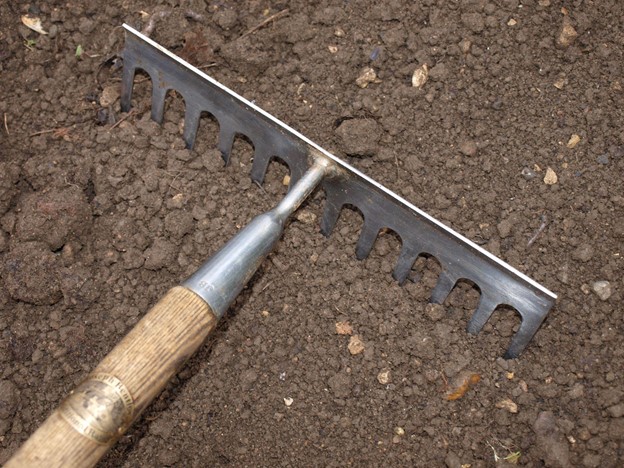
Raking down soil producing a fine tilth
Ornamental and fruit gardens similarly benefit from tertiary cultivation. Weeds not only provide competition but are also unsightly, destroying the visual image and psychological satisfaction of these areas.
Lightly forking over these areas in spring and autumn encourages water percolation and root aeration. Once established, ornamental herbaceous perennials and soft and top fruit areas benefit greatly from the addition of organic top dressings. Over several seasons these will augment fertility and nutrient availability.
Written by Professor Geoff Dixon, author of Garden practices and their science, published by Routledge 2019.
20 January 2022 |
|
|
Health & Wellbeing
A sprig of thyme to fight that cold… Turmeric tea after exercising… An infusion of chamomile to ease the mind… As we move with fresh resolution through January, Dr Vivien Rolfe, of Pukka Herbs, explains how a few readily available herbs could boost your health and wellbeing.
The New Year is a time when many of us become more health conscious. Our bodies have been through so much over the last few years with Covid, and some of us may need help to combat the January blues. So, can herbs and spices give us added support and help us get the new year off to a flying start?
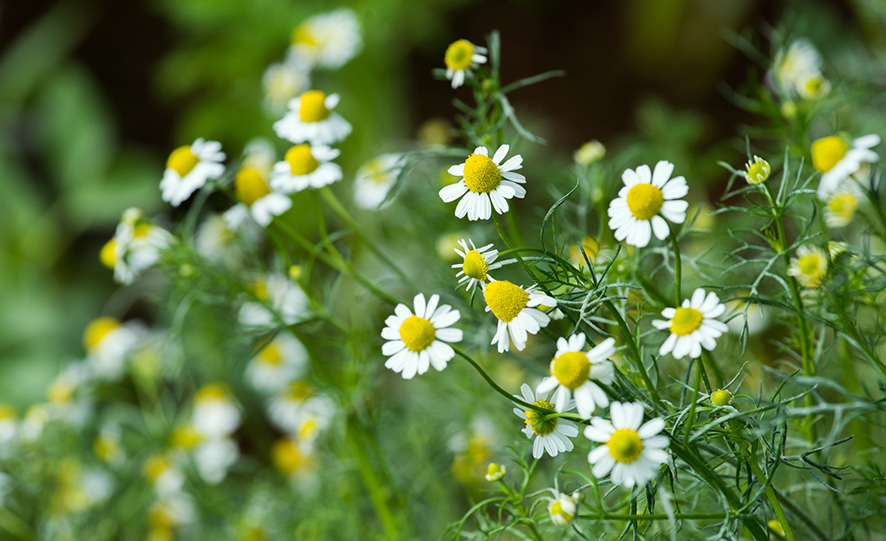
The oils in chamomile have nerve calming effects.
Chamomile and lavender
We may wish to ease ourselves into the year and look for herbs to help us relax. The flowers from these herbs contain aromatic essential oils such as linalool from lavender (Lavandula) and chamazulene from German chamomile (Matricaria recutita) that soothe us when we inhale them (López et al 2017). Chamomile also contains flavonoids that are helpful when ingested (McKay & Blumberg 2006).
If you have a spot to grow chamomile in your garden, you can collect and dry the flowers for winter use. Lavender is also a staple in every garden and the flowers can be dried and stored. Fresh or dry, these herbs can be steeped in hot water to make an infusion or tea and enjoyed. As López suggests, the oils exert nerve calming effects. Maybe combine a tea with some breathing exercises to relax yourselves before bed or during stressful moments in the day.
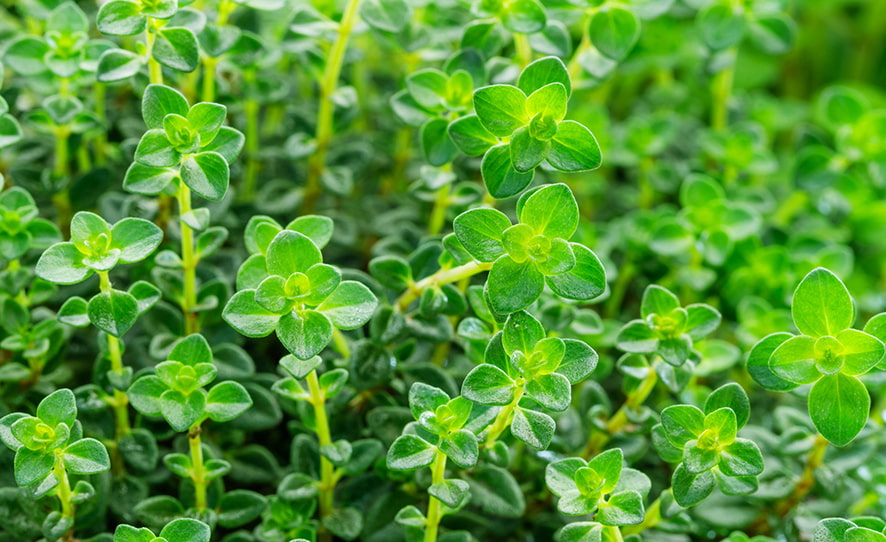
Thyme is a handy herbal remedy. Generally, the term herb refers to the stem, leaf and flower parts, and spice refers to roots and seeds.
>> The plant burgers are coming. Read here about the massive growth of meat alternatives.
Andrographis, green tea and thyme
Many people may experience seasonal colds throughout the winter months and there are different herbal approaches to fighting infection. Andrographis paniculata is used in Indian and traditional Chinese medicine and contains bitter-tasting andrographolides, and in a systematic review of products, the herb was shown to relieve cough and sore throats symptoms in upper respiratory tract infection (Hu et al 2017).
Gargling with herbal teas is another way to relieve a sore throat, and the benefits of green tea (Camellia sinensis) have been explored (Ide et al 2016). I’m an advocate of garden thyme (Thymus vulgaris) which contains the essential oil thymol and is used traditionally to loosen mucus alongside its other cold-fighting properties.
You could experiment by combining thyme with honey to make a winter brew. I usually take a herbal preparation at the sign of the very first sneeze that hopefully then stops the infection progressing.

Shatavari (pictured) is said to improve strength, and ashwagandha can help recovery.
Shatavari and ashwagandha
We may start the new year with more of a spring in our step and wishing to get a little fitter. As we get older, we may lose muscle tissue which weakens our bones and reduces our exercise capability. Human studies have found that daily supplementation with shatavari (Asparagus racemosus) can improve strength in older women, and ashwagandha (Withania somnifera) can enhance muscle strength and recovery in younger males (O’Leary et al 2021; Wankhede et al 2015).
These herbs are known as adaptogens and traditionally they are used in tonics or to support fertility. The research to fully understand their adaptogenic activity or effects on muscle function is at an early stage. Other herbs such as turmeric may help muscle recovery after exercise. I brew a turmeric tea and put it in my water bottle when I go to the gym.
>> How is climate change affecting your garden? Find out here.
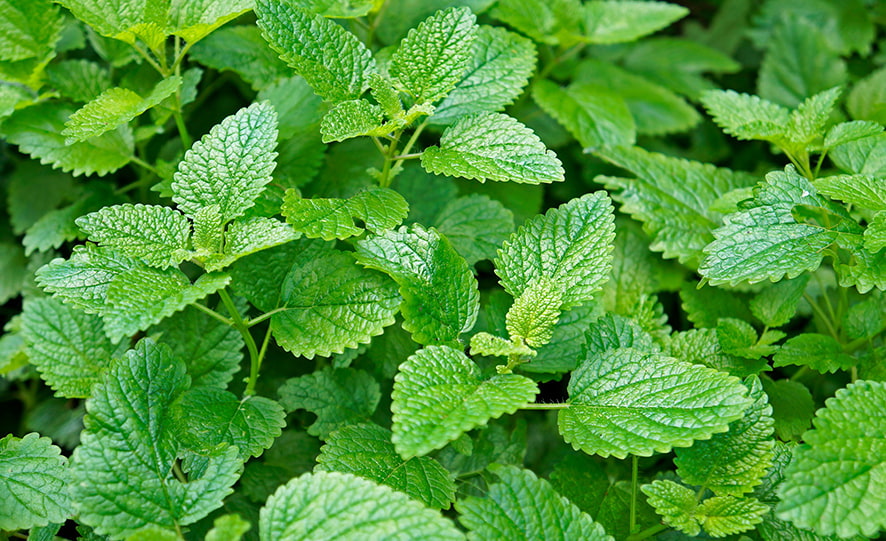
Lemon balm is easy to grow but might want to take over your garden.
Easy on the body. Easing the mind
Depending on your resolutions, you could use herbs and spices to add lovely flavours to food to try and reduce your sugar and salt intake. Liquorice is a natural sweetener, and black pepper and other herbs and spices can replace salt.
You could also bring joy to January by growing herbs from seed on a windowsill or in a garden or community space. Mint, lemon balm, lavender, thyme, and sage are all easy to grow, although mint and balm may take over!
All make lovely teas or can be dried and stored for use, and research is also showing that connecting with nature – even plants in our homes – is good for us.
You can read more about medicinal and culinary properties of herbs at https://www.jekkas.com/.
If you wish to learn more about the practice of herbal medicine and the supporting science, go to https://www.herbalreality.com/.
>> Dr Viv Rolfe is head of herbal research at Pukka Herbs Ltd. You can find out more about Pukka’s research at https://www.pukkaherbs.com/us/en/wellbeing-articles/introducing-pukkas-herbal-research.html, and you can follow her and Pukka on Twitter @vivienrolfe, @PukkaHerbs.
Edited by Eoin Redahan. You can find more of his work here.
17 January 2022 |
|
|
Agrifood
Greenhouse gas emissions statistics can be misleading. At a recent SCI webinar on the Future of Agriculture, the Agrisciences Committee put its finger on some glaring gaps in the figures.
If all of the cows in the world came together to form a country, that nation state would be the second highest emitter of greenhouse gas emissions in the world.
McKinsey Sustainability’s statistic was certainly startling. However, Agrisciences Group Chair Jeraime Griffith mentioned other equally striking figures in his wrapup of the social media discussion generated at COP26.
In his talk as part of the Agrisciences Committee’s COP26 – What does it mean for the future of agriculture? webinar on 7 December, Griffith also noted that:
- farming accounts for more than 70% of the freshwater used worldwide, according to the Organisation for Economic Co-operation and Development (OECD)
- and 31% of human-caused greenhouse gas emissions come from agrifood systems, according to the Food and Agriculture Organisation.
On the face of it, these figures are sobering; yet, like many agriculture-related figures, they don’t tell the full story.
Insane in the methane
Kathryn Knight felt that agriculture received negative press at COP26 in relation to greenhouse gas emissions. ‘It doesn't seem to take into account carbon sequestration (capturing and storing atmospheric carbon dioxide),’ said the Research & Technology Manager of Crop Care at Croda. ‘Why isn’t that being brought into the equation when we’re talking about carbon and agriculture?’
Martin Collison expanded on this point. He emphasised the need to separate carbon emissions by system – such as extensively grazed livestock animals and those fed on grain – and to account for systems that sequester carbon in the soil. The co-founder of agricultural consultancy Collison & Associates also pointed out the problem with bundling all our greenhouse gases as one.
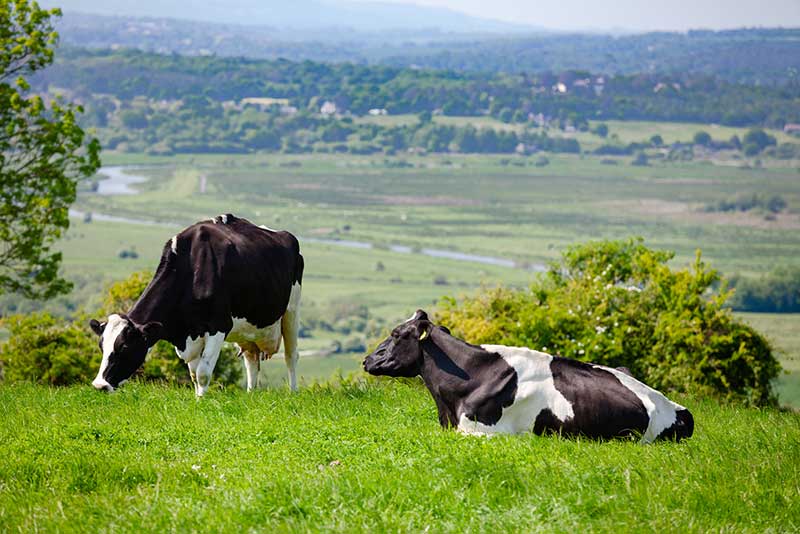
Greenhouse gas emissions are sometimes unhelpfully bundled together, instead of being separated by gas and agricultural system.
‘We count methane in the same way we emit carbon,’ he said. ‘When we emit carbon, it’s in the atmosphere for 1,000 years, but with methane it’s 12 years. The methane cycle is a lot, lot shorter.’
And the difficulties with the statistics don’t end there. For example, countries often announce impressive emission reductions without taking trade into account. This, of course, gives the figures a greener gloss.
‘To me, there's a need to be more up front with a lot of the data because agriculture and food are traded around the world,’ he added. ‘A lot of the emissions data ignore what we trade.
‘In the UK, we make big claims about how fast we’ve progressed with carbon emissions, but if you look at what we consume, the progress is much much slower. The things we produce less of, we import.’
>> SCI was at COP26 too! Read about the role of chemistry in creating a greener future.
Full of hot air?
Emissions trading also serves to blur the picture. For Jeraime Griffith it is an unsatisfactory solution. ‘In terms of carbon trading, we have cases where the higher emitters continue producing in the way they’ve always been producing,’ he said.
‘It doesn't bring in any restrictions on the amount of carbon they emit; it just shifts the problem somewhere else. I don't know how carbon trading benefits us getting to Net Zero. It just seems to be kicking the ball farther down the road.’

Is emissions trading part of the solution or part of the problem?
So, when you take into account 1. emissions trading, 2. the absence of food imports in data sets, 3. the bundling together of different greenhouse gases in emissions figures, and 4. the failure to take carbon sequestration into account, it’s clear that many of the statistics we receive are incomplete.
‘There’s lots of complexity behind the numbers and we tend to lump all of it together,’ Collison said. ‘There’s a need to go much much further.’
>> SCI’s Agrisciences Group is a unique multidisciplinary network covering the production, protection and utilisation of crops for food and non-food products. It has 250 members including academic and industry leaders, researchers, consultants, students, and retired members. If you’re interested in joining the group, go to: www.soci.org/interest-groups/agrisciences
22 December 2021 |
|
|
Agrifood
Gardens in December should, provided the weather allows, be hives of activity and interest. Many trees and shrubs, especially Roseaceous types, offer food supplies especially for migrating birds.
Cotoneaster (see image below) provides copious fruit for migrating redwings and waxwings as well as resident blackbirds. This is a widely spread genus, coming from Asia, Europe and northern Africa.
Cultivated as a hedge, it forms thick, dense, semi-evergreen growth that soaks up air pollution. In late spring, its white flowers are nectar plants for brimstone and red admiral butterflies and larval food for moths. Children and pets, however, should be guided away from the attractive red berries.
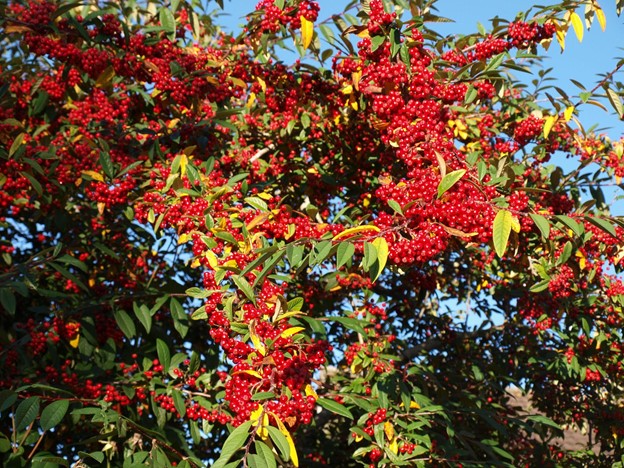
Cotonester franchetti | Image credit: Professor Geoff Dixon.
Medlars (Mespilus germanica) offer the last fruit harvest of the season (see image below). These small trees produce hard, round, brownish fruit that require frosting to encourage softening (bletting).
Its soft fruit can be scooped out and eaten raw and the taste is not dissimilar to dates. Alternatively, medlar fruit can be baked or roasted and, when turned into jams and jellies, they are delicious, especially spread on warm scones.
Like most rosaceous fruit, medlars are nutritionally very rich in amino acids, tannins, carotene, vitamins C and B and several beneficial minerals. As rich sources of antioxidants medlars also help reduce the risks of atherosclerosis and diabetes.
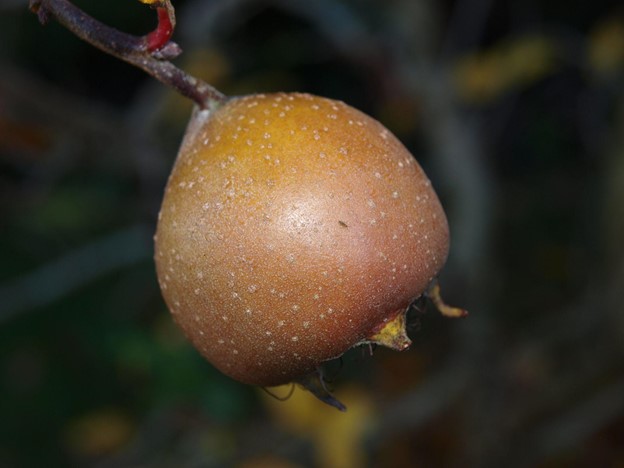
Medlar fruit (Mespilus germanica) can be turned into jams and jellies | Image credit: Professor Geoff Dixon.
Garden work continues through December. It is a time for removing dead leaves and stems from herbaceous perennials, lightly forking through the top soil and adding granular fertilisers with high potassium and phosphate content.
Top fruit trees gain from winter pruning, which opens out their structure, allowing air circulation when fully laden with leaves, flowers and fruit. Fertiliser will feed and encourage fresh root formation as spring progresses.
The vegetable garden is best served by digging and incorporating farm yard manure or well-rotted compost, which adds fertility and encourages worm populations. The process of digging is also a highly beneficial exercise for the gardener (see illustration no 3).
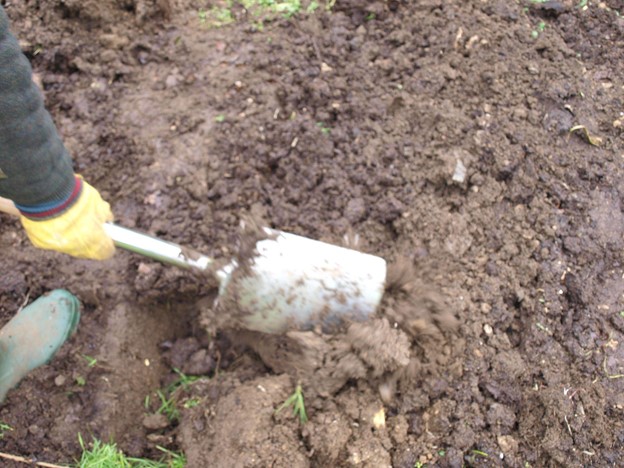
Turning the soil isn’t only good for your garden - it boosts your wellbeing | Image credit: Professor Geoff Dixon.
Developing a rhythm with this task supports healthy blood circulation and, psychologically, provides huge mental satisfaction in seeing a weedy plot transformed into rows of well-turned bare earth.
When the weather turns wet, windy and wintery it provides opportunities for cleaning, oiling and sharpening tools, inspecting stored fruit and the roots of dahlias kept in frost-proof conditions.
Finally, there is always the very relaxing and pleasant task of reading through seed and plant catalogues and planning what may be grown in the coming seasons.
Written by Professor Geoff Dixon, author of Garden practices and their science, published by Routledge 2019.
07 December 2021 |
|
|
Agrifood
How has climate change changed the way our gardens grow and what can be done to alleviate its effects? Professor Geoff Dixon tells us more.
Climate has changed on Earth ever since it solidified and organic life first emerged. Indeed, the first photosynthesising microbes changed the atmosphere from carbon dioxide rich to oxygen rich over millions of years. What we now face is very rapid changes brought about by a single organism, mankind, through industrialisation.
The effects of change are very evident in gardens. Over a generation, leaf bud breaking and flowering by early spring bulbs, herbaceous plants, shrubs and trees has advanced by at least four weeks (see main image of Cyclamen hederifolium).
Latter spring displays have advanced by at least two weeks. This is caused by milder, wetter winter weather, encouraging growth. The danger lies in the increasing frequency of short sharp spells of severe frost and snow. These kill off precocious flowers and leaves which trees especially cannot replace.
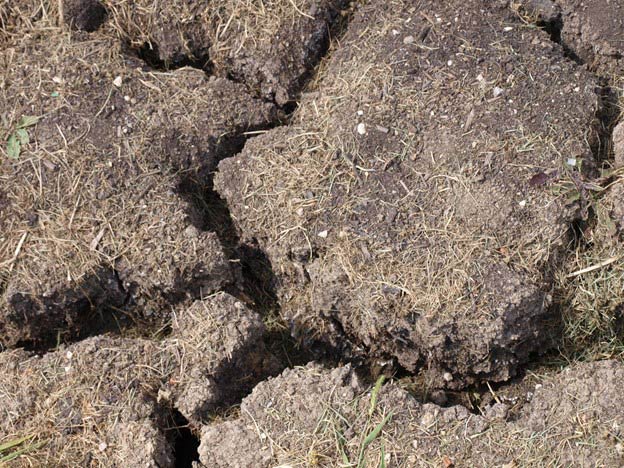
Desiccated, cracked soil.
Increasingly, the summer climate is becoming hotter and drier. Since the Millennium there has been a succession of hot droughts. These seriously limit scope for growing vegetables, fruit and ornamentals unless irrigation is regularly available. Drought also damages soil structure especially where there is a high clay content by causing cracking and the loss of plant cover (see image of desiccated, cracked soil above).
Cracking disrupts and destroys the root systems of trees and shrubs in particular. The effects of root damage may not become evident until these plants die in the following years.
Climate change is apparently advantageous for microbes. Detailed surveys show that fungal life cycles are speeding up, increasing the opportunities for diseases to cause damage. Even normally quite resilient crops such as quince are being invaded during milder, damper autumns (See image of brown rot on quince fruit below). Throughout gardens, the range and aggressiveness of pests and disease is increasing.

Brown rot (Monilia laxa) on quince fruit.
However, each individual garden or allotment, no matter its size, can contribute to reducing the rate of climate change. Simple actions include the removal of hard landscaping, and planting trees and shrubs reduces carbon emissions.
Using electric-powered tools and machinery in place of petrol or diesel has similar advantages. Tumbling down parts of a garden into native flora, and perhaps encouraging rarer plants such as wild orchids or fritillarias, mitigates climate change. Such areas may also form habitats for hedgehogs or slow worms, increase populations of bees, butterflies and moths and encourage bird life.
Written by Professor Geoff Dixon, author of Garden practices and their science, published by Routledge 2019.
All images from Professor Geoff Dixon.
15 November 2021 |
|
|
Agrifood
Lilies provide gloriously beautiful and well scented flowering border plants. Choose flowering size bulbs in the garden centre or from a catalogue. Grow these through the winter potted in a general garden compost placed in an unheated greenhouse or cold frame. By March or early-April, substantial green shoots will have formed from the bulbs and they can be transplanted into the garden.
Lilies need a sunny border and very fertile soil to encourage vigorous root growth capable of supporting the flowering spike and ancillary bulbs as they are initiated. This produces magnificent flowers and an increasing colony of bulbs that will spread and become established over future seasons.

Lilium longiflorum, often called the Easter lily | Image credit: Professor Geoff Dixon.
Regular watering and feeding with nutrients are needed, especially potassium, which encourages root and shoot growth. Stake the flower spike as it grows, giving support for the flowers because they are heavy when fully open and easily damaged by winds.
Rewards come in mid-summer with magnificent colourful flowers and wonderful perfumes on warm evenings. Apart from severe winters, lilies are hardy garden plants unless they are from groups specified as tender and requiring protection. In the autumn, simply cut down the flowering spike and remove any fallen foliage.
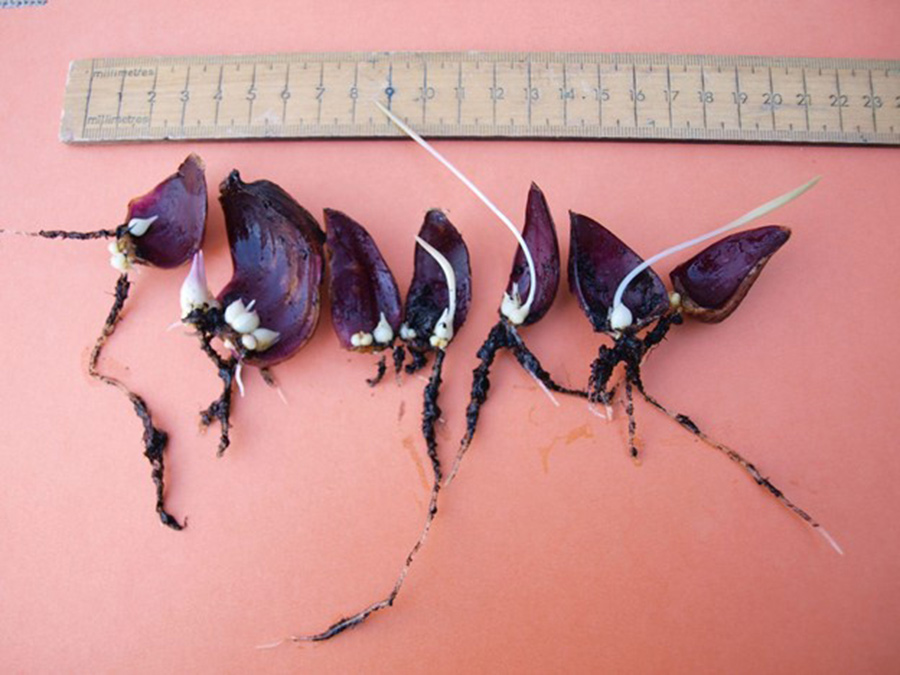
Buds developed on lily scales after culturing | Image credit: Professor Geoff Dixon.
The Lilium genus has about 100 species originating worldwide mainly from north temperate areas of Europe, Asia and America. The colour range includes white, yellow, orange, pink, red and purple. Plant breeders in The Netherlands, Japan and North America have produced a huge range of multi-coloured hybrids.
Taxonomically, Lilium is divided into divisions, of which the Turk’s Caps, Martagons and American hybrids are popular. The most destructive pest is the scarlet lily beetle (Lilioceris lilii) which devours foliage, flowers and bulbs. The first signs of trouble are shot holes in the foliage. Picking off beetles and larvae is an effective means of dealing with low-level infestations.
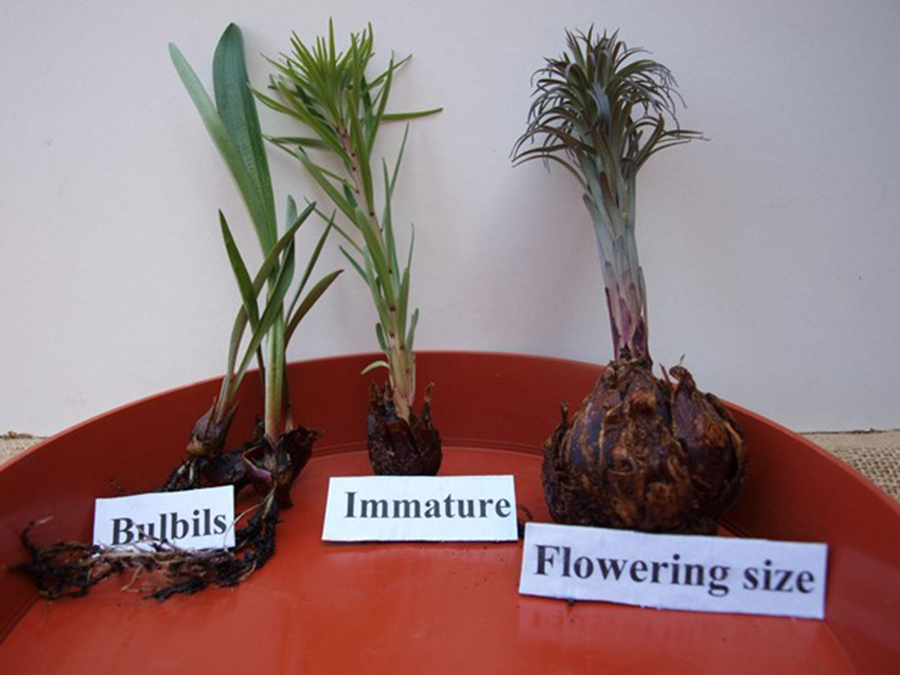
Comparison of lily bulbils growing from scale leaves, immature bulb and flowering size bulb | Image credit: Professor Geoff Dixon.
Asexual propagation is a simple and enjoyable occupation. Divide a good-sized bulb into its scales. Choose healthy scales from the outer rings and place these in a plastic box containing damp kitchen paper and place in an airing cupboard. After about 10-12 weeks, small bulbils will have formed on each scale.
Select the boldest mother scales and bulbils and plant in a tray of seedling compost and grow in the greenhouse. After two or three months the most vigorous young plants can be potted individually. Eventually these are planted in the garden and will develop into flowering size bulbs after two or three years.
Written by Professor Geoff Dixon, author of Garden practices and their science, published by Routledge 2019.
21 September 2021 |
|
|
Sustainability & Environment
If you’re a vegan, do you really want to eat a ruby-red slab of plant protein that looks like lamb? If you are a health obsessive, would you opt for an ultra-processed, plant-based product if you knew it didn’t contain many vitamins and micro-nutrients? And why, oh why, are we so obsessed with recreating the taste and appearance of the humble hamburger?
These questions and more were posed by Dr David Baines in the recent ‘No meat and two veg – the chemistry challenges facing the flavouring of vegan foods’ webinar organised by SCI’s Food Group. The flavourist, who owns his own food consultancy and is visiting Professor at the University of Reading, painted a vivid picture of our changing culinary landscape – one in which 79% of Millennials regularly eat meat alternatives.
And this shift in diet isn’t just the preserve of the young. According to Dr Baines, 54% of Americans and 39% of Chinese people have included more plant-based foods and less meat in their diets. Furthermore, 75% of Baby Boomers – those born between 1946 and 1964 – are open to trying cultivated meat.
There are many reasons for this gradual shift. The woman biting into Greggs’ famous vegan sausage roll and the woman who carefully crafts her bean burger may have different reasons for choosing meat alternatives. For some, it’s an ethical choice. For others, it’s environmental or health-related. And then there are those of us who are simply curious.
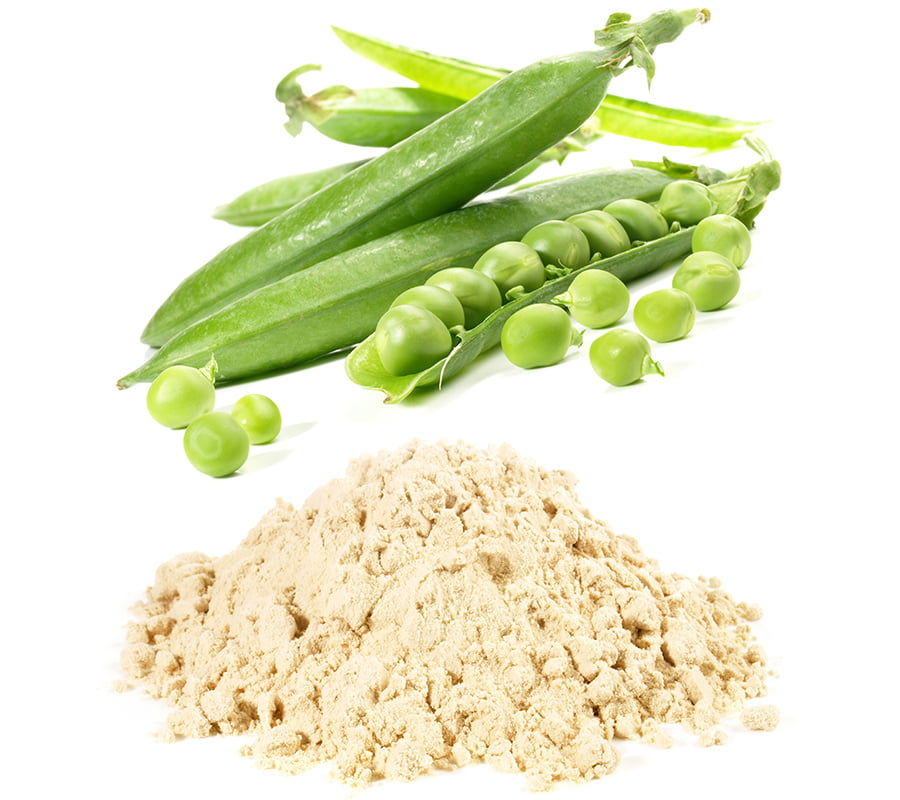
Pea protein powder is used in plant-based meat alternatives.
Either way it’s an industry that, if you’ll excuse the pun, is set to mushroom. According to Boston Consulting Group and Blue Horizon research, the global meat-free sector will be worth US$290 billion by 2035. They also claim Europe will reach peak meat consumption by 2025, and Unilever is aiming to sell US$1 billion-worth of plant-based meat and dairy alternatives by 2025-27.
In his entertaining talk, Dr Baines outlined the extrusion processes that turn wheat and pea proteins into large ropes of fibrous material and how soy isolates are spun into textured proteins using looms like those used in the cotton industry. He explained how calcium is used to imitate the chewable texture of chicken and how Impossible Foods is using the root nodules of bean plants to produce the red colour we recognise so readily in meat.
>> For more interesting SCI webinars on battery developments, medicinal chemistry and more, check out our events page.
So, how close are we to products with the appearance, taste and texture of, let’s say, beef? ‘I think that will come from cultured meat to start with,’ he said. ‘Where the protein is produced, it will still need to be flavoured, but the fibres will have formed and the texture is already present in some of those products.
‘It’s a big ask and it’s been asked for a long time. It’s going to be a long time before you put a piece of steak on one plate and a plant-based [product] on another and they will be visually, texturally and taste(-wise] identical.’
And what appetite do people even have for these plant-based facsimiles? ‘There are people who want plant proteins not to look like meat, and there are people who want them to look like meat,’ he added. ‘The driver at the moment is to make them look like meat, and the driver is to make it taste like meat too.’
Baines wondered aloud about the bizarre fixation some have with recreating and eating foods that look and taste like beef burgers. In contrast, he pointed to the examples of tofu and soy-based products that have been developed in South East Asia – distinct foods that do not serve as meat substitutes.
Plant-based proteins are undoubtedly part of our culinary future, but these products have other barriers to surmount beyond taste and texture. There is no getting around the fact that plant-based proteins are ultra-processed in a time when many are side-stepping processed foods. Baines also explained that these protein- and fibre-rich foods tend to have lower calorific content, but lack vitamins and micronutrients. ‘Will they be supplemented?’ Baines asked. ‘How much will the manufacturers of these new products start to improve the nutritional delivery of these products?’

We have now entered the age of the gluten-free, vegan sausage roll.
But it’s easy to forget that the leaps made in recent years have been extraordinary. Who would have predicted back in 1997 – when Linda McCartney was at the vanguard of the niche, plant-based meat alternative – that a vegan sausage roll would capture the imaginations of a meat-hungry nation? Who would have foreseen fast-food manufacturers falling over each other to launch plant-based burgers and invest in lab-grown meat?
As Dr Baines said: “This is a movement that is not going away.”
>> Our soils provide 97% of our food. Read more about how they are undervalued and overused here.
10 August 2021 |
|
|