
Science & Innovation
The Commonwealth Games has landed in Birmingham. Before the Games began, viewers were treated to an extraordinary opening ceremony (featuring a giant mechanical bull) and its artistic director, Iqbal Khan, was lauded for his ingenuity.
But such ingenuity shouldn’t surprise any of us, for Birmingham has long been a place of outsized invention. For more than 300 years, the inhabitants of this industrial powerhouse have churned out invention after invention; and its great pragmatists have turned patents into products.
Chemistry, too, owes a debt to the UK’s second city. Whether it’s the first synthesis of vitamin C, the invention of human-made plastic, adventures in mass spectrometry, or electroplated gold and silver trinkets, Birmingham has left a lasting legacy.
Here are five chemists whose innovations may have made an appearance in your life.
Alexander Parkes – man of plastic
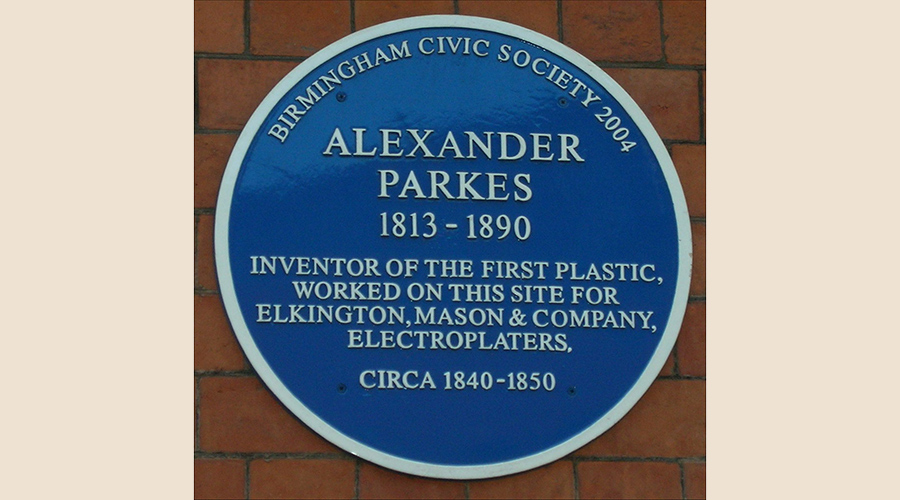
Plaque commemorating Alexander Parkes in Birmingham, England. Image by Oosoom
Look around you. Look at the computer screen, the mouse button you click, and the wire casings everywhere. Someone started it all. That man was Alexander Parkes, inventor of the first human-made plastic.
The son of a brass lock manufacturer from Suffolk Street, Birmingham, Parkes created 66 patents in his lifetime including a process for electroplating delicate works of art. However, none were as influential as the 1856 patent for Parkesine – the world’s first thermoplastic.
Parkes’ celluloid was based on nitrocellulose that had been treated by different solvents. In 1866, he set up the Parkesine Company at Hackney Wick, London, but it floundered due to high cost and quality issues. The spoils of his genius would be enjoyed by the rest of us instead.
Sir Norman Haworth – the vitamin seer
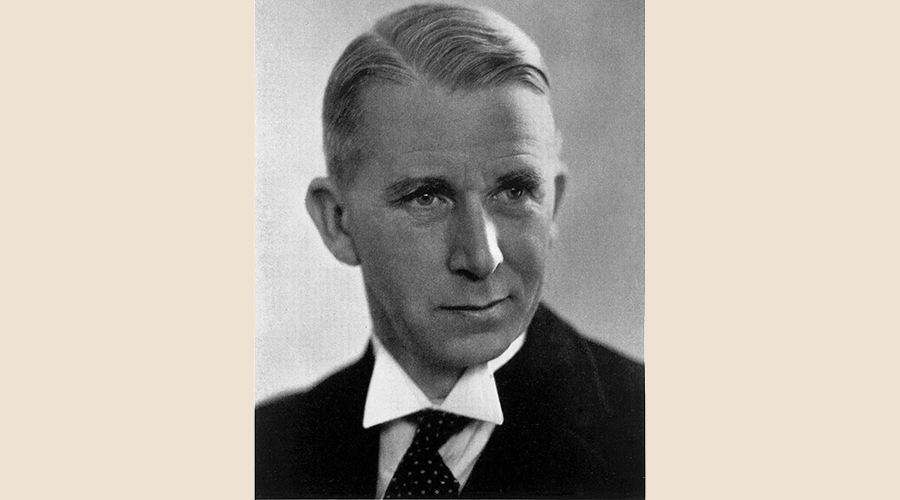
Sir Norman Haworth
Sir Norman Haworth may have been born in Chorley, Lancashire, but his finest work arguably came after he became Director of the Department of Chemistry in the University of Birmingham in 1925. Haworth is famous for his groundbreaking carbohydrate investigations and for being the first to synthesise vitamin C.
By 1928, Haworth had confirmed the structures of maltose, cellobiose, lactose, and the glucoside ring structure of normal sugars, among other structures. Apparently, his method for determining the chain length in methylated polysaccharides also helped confirm the basic features of starch, cellulose, and glycogen molecules.
However, Haworth is most famous for determining the structure of vitamin C and for becoming the first to synthesise it in 1932. The synthesis of what he called ascorbic acid made the commercial production of vitamin C far cheaper – the benefits of which have been felt by millions of us.
For his achievements in carbohydrates and vitamin C, Haworth received the Nobel Prize for Chemistry in 1937 (shared with Paul Karrer). He was the first British organic chemist from the UK to receive this honour. Haworth even had a link to SCI, having been a pupil of William Henry Perkin Junior in the University of Manchester’s Chemistry Department.
Francis William Aston – adventures in mass spectrometry
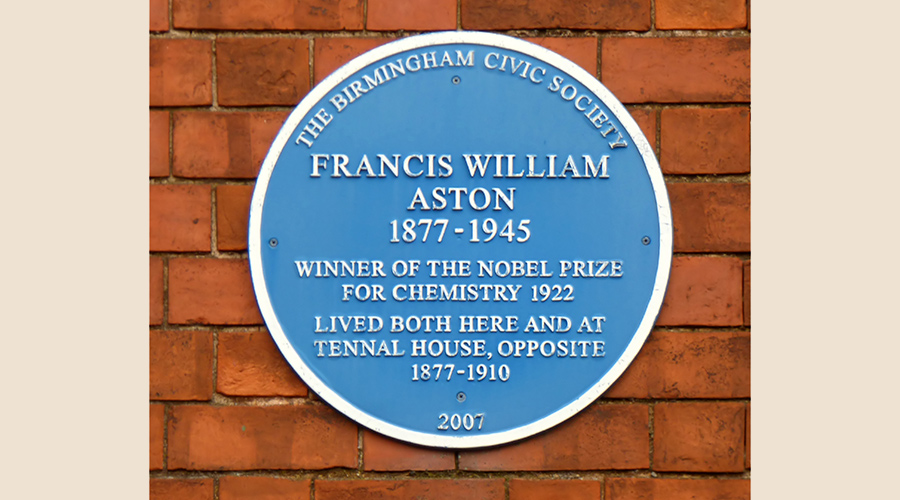
Blue plaque for Francis William Aston. Image from Tony Hisgett
Another Nobel Prize-winning chemist from Birmingham is Francis William Aston. The Harborne native won the 1922 prize for discovering isotopes in many non-radioactive elements (using his mass spectrograph) and for enunciating the whole number rule.
For a time, academia almost lost Aston, as he spent three years working as a chemist for a brewery. Thankfully, he returned to academic life and obtained concrete evidence for the existence of two isotopes of the inert gas neon before the first World War.
After working for the Royal Aircraft Establishment during the Great War (1914-18), he resumed his studies. The invention of the mass spectrograph proved pivotal to his discoveries thereafter. Using this apparatus, he identified 212 naturally occurring isotopes.
George Elkington and John Wright – all that glitters

George Elkington patented the electroplating process developed by John Wright. Image from Spudgun67
It isn’t surprising that George Elkington should become an SCI favourite, as he blended both scientific ingenuity with business. The son of a spectacle manufacturer patented the first commercial electroplating process invented by Brummie surgeon John Wright in 1840.
Wright discovered that a solution of silver in potassium cyanide was useful for electroplating metals. Elkington and his cousin Henry purchased and patented Wright’s process before using it to improve gold and silver plating.
The Elkingtons opened an electroplating works in the city’s now famous Jewellery Quarter where they electroplated cutlery and jewellery. And they didn’t do too badly out of it. By 1880, the company employed 1,000 people in seven factories.
Alfred Bird – winging it

1906 advertisement for Birds Custard powder. Image from janwillemsen
In 1837, Alfred Bird was in a pickle. He wanted to serve his dinner party guests custard, but his wife was allergic to eggs and yeast, and egg was the main thickening agent of this delicious gloop.
Instead of serving something else, the chemist shop owner invented his own egg-free custard by substituting cornflour for eggs. His guests found it delicious and Bird’s Custard was born.
Not content with this innovation, Bird is also credited with being the father of modern baking powder. Once again, his wife’s allergies were said to be the inspiration, as he wanted to create a yeast-free bread for her. In bread and custard, true love always finds a way.
05 August 2022 |
|


 |
|

Careers
Paulina Quintanilla has developed a clever way to maximise the froth flotation technology used to extract more valuable minerals from rocks. The SCI Scholar and Poster Competition winner chatted to us about her process and how it could make mineral processing more efficient.
How would you describe your froth flotation technology in simple terms?
Froth flotation is the most widely used technology to separate valuable mineral particles from waste rock. The process is carried out in stirred tanks in which chemical reagents and air are added. Some of these reagents, called collectors, make the valuable mineral particles hydrophobic, which means that they repel water.
Consequently, the valuable mineral particles attach to the air bubbles, covering them and generating bubble-particle aggregates. The bubble-particle aggregates rise to the top of the tank, forming a froth that overflows as a mineral-rich concentrate, while the waste rock leaves from the bottom of the tank as tailings.
Froth flotation is also relevant in several other industrial applications, such as water treatment and paper de-inking.
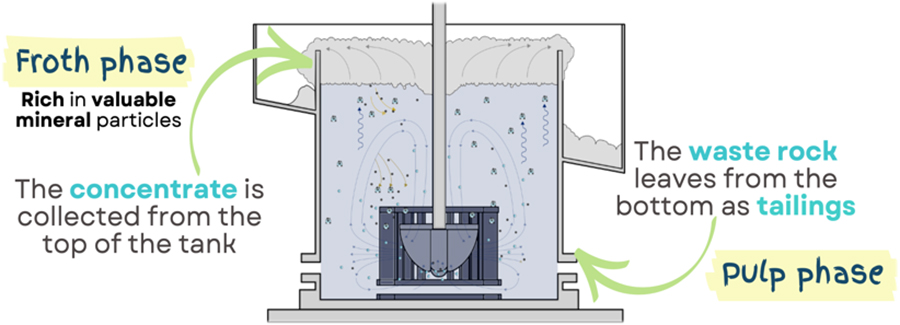
Schematic of the froth flotation process. Image by @AMPRG_Imperial.
How would you describe your froth flotation technology in simple terms?
This research focuses on optimising the froth flotation process using a control strategy called model predictive control. To this end, mathematical models were developed to represent the phenomena inside a flotation tank. These models are then used to ‘predict the future’ so that decisions can be taken now (we can control the process) to improve the froth flotation performance.
Model predictive control is a powerful optimisation strategy that has been widely used in other processes, including in the petrochemical industry, but it is still very new in the mineral processing industry.
One of the main advantages of this research is that the models are physics-based. This means that they were developed from the fundamental physics of the process rather than from data, which makes them useful under any operating conditions, for any flotation tank size. This is particularly interesting for application in the large flotation tanks used on an industrial scale.
How could this work benefit industry and make processing more efficient?
Building clean technologies for the transition to 100% green energy is creating a massive demand for a range of minerals. For example, copper mines would have to ramp up production considerably to satisfy the extra 7% predicted demand. Meeting that demand, however, is becoming more and more challenging as ores are becoming lower grade, deeper, and more complex.
This implies that there is an urgent need to optimise current processes to extract the necessary minerals and metals more sustainably and efficiently. As froth flotation is a large-scale process, even small improvements in the separation efficiency would translate into important increments in production.
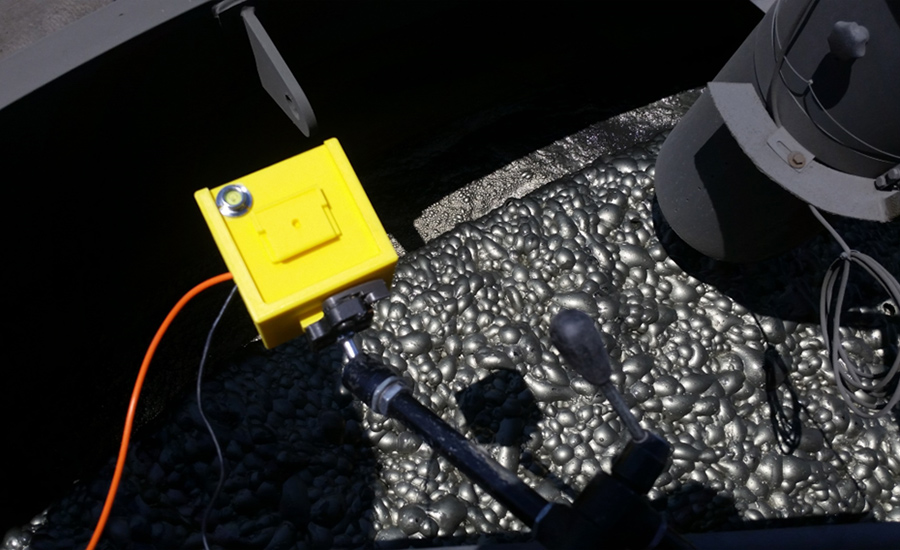
Overflowing froth seen from the top of an industrial-scale tank. Image by @AMPRG_Imperial.What is the potential of this work in terms of copper recovery?
We demonstrated that improvements of between 8 to 22% in metal recovery were achieved by implementing a model predictive control strategy at the laboratory scale, revealing an untapped potential for implementation at an industrial scale. This research could serve as a promising next step for the mining industry to meet future metal and mineral demands by extracting more metal for the same amount of resources, such as water, energy, and chemicals.
>> Interested to find out more about SCI Scholarships?
Your flotation tanks are actually based in Chile. How do you operate them remotely?
I am currently implementing an online model predictive control strategy in a laboratory-scale flotation bank in Chile. I monitor and control this experimental rig from home, in the UK.
The experimental rig was automated in such a way that all the instruments (e.g. air flow meters, controllers, pumps, etc.) are connected to a module called ‘Programmable Logic Controller’. This module is then connected to a workstation computer, which I access from my laptop in the UK.
The Programmable Logic Controller allows me to obtain measurements in real-time and control the system. In this case, the measurements are used to update the mathematical models, while the system is controlled by changing the ‘revolutions per minute’ of the pumps (to change the pulp levels) and/or moving the air valves (to change the airflow rates).
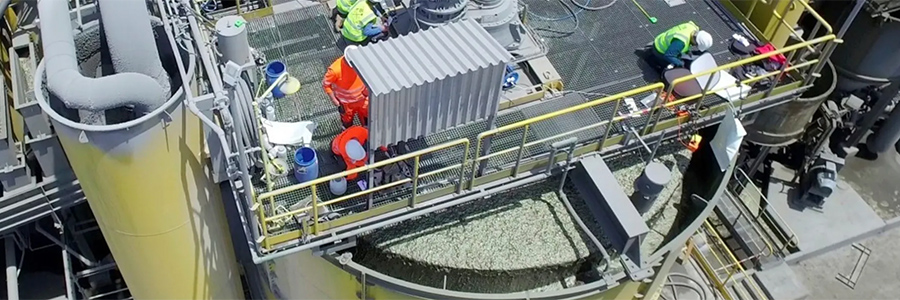
Experimental campaign in 2018 – aerial view of a 300m³ froth flotation tank. Image by @AMPRG_Imperial.
Could this process be used to extract other materials? If so, which ones?
While froth flotation is widely used to separate sulphide minerals of copper, it is also used to separate other sulphides, such as those containing lead, zinc, and molybdenum.
You won an SCI Scholarship. How did you use the funds you received to develop your research?
I used the generous SCI scholarship to partially fund a two-month visit to the laboratory in Chile. I set up new connections for remote control by installing new instrumentation to make it even more automated, and I carried out preliminary online control experiments. Since then, all the control experiments have been carried out from my laptop at home.
I also used the scholarship to fund my participation in several conferences, including one in person in Athens, Greece, in 2021. I have participated in Scholar Days in 2020 and 2021, in which I presented advances in my PhD research to a wide audience. This year, I presented my PhD research results at SCI headquarters for the first time and participated in the Poster Showcase, where I won first place.

Paulina presenting at the SCI Scholars' Showcase in July 2022. Image: SCI/Andrew Lunn
What are your future plans for this innovative technology (and other potential research)?
I plan to keep up the momentum of researching froth flotation optimisation, as I believe that there is still a long way to go for improvement, particularly at an industrial scale. Model predictive control has not been widely explored within the mineral processing industry despite the fact that it has shown great potential. There is still a gap between academia and industry that should be bridged, sooner rather than later, to improve the performance of the process.
Apart from the model predictive control strategy using physics-based models (including the one I have investigated during my PhD research), many other control strategies show great potential to be tested and implemented at an industrial scale.
This is particularly applicable in mineral processing plants, as most of them collect a huge amount of data that could serve as valuable inputs for further improvement and optimisation, using novel engineering tools such as artificial intelligence and digital twins.
Paulina is part of the Advanced Mineral Processing Research Group at Imperial College London, whose research includes fluid dynamics of flotation tanks and multi-criteria decision-making for sustainable mining and mineral processing.
03 August 2022 |
|
|
Science & Innovation
A range of greenhouse gas removal technologies may be necessary if we’re to reach Net Zero by 2050. In the second of our two-part geoengineering feature, Eoin Redahan looks to the sea, the sun, and mineral weathering, and at the ethical concerns such technologies raise. Missed Part One? Find it here.

‘Water, water, everywhere, nor any drop to drink.’
These famous words from Samuel Taylor Coleridge’s Rime of the Ancient Mariner aren’t the only famous part of his epic poem. The term albatross around one’s neck comes from it too.
After shooting a friendly albatross at sea, the poem’s narrator was forced by the ship’s crew to wear the dead creature around his neck – and grievous luck was to follow. Well, our blue planet has an albatross around its neck in the form of climate change.
Perhaps the solution to it lies all around us – water, water, everywhere…
An ocean of potential
In theory, we can use our oceans to pull CO2 from the air on an enormous scale. All it may take is clever intervention – potentially ruinous, albatross-shooting intervention.
Nevertheless, the World Economic Forum lays out the tantalising potential. ‘Ocean-based CO2 removal can help us achieve “net negative emissions” as the seas hold 50 times more carbon than the atmosphere,’ it says.
‘The ocean [is] a sink for nearly one third of anthropogenic carbon emissions and more than 90% of the resulting heat… If we are going to manage atmospheric CO2 levels to our advantage, we will need to leverage the ocean’s existing ability to govern the global carbon cycle.’
Frontier has targeted the development of scalable sources of alkalinity. The reasoning behind it is that with CO2 being an acidic molecule, rising CO2 concentrations could be neutralised through alkalinity. It has mentioned using mine tailings to remove up to 0.5 gigatonnes of CO2 from the air each year; but the major caveat here is that it needs to be done safely.
Planetary Technologies has ventured into this space armed, essentially, with a bicarbonate of baking soda that could draw in CO2 and sequester it for millenia.
The company explains its process: ‘We start by carefully extracting key parts of the mine tailings including recovering battery metals (like nickel and cobalt) and silica (sand) and then take the remaining purified metal salt solution into a special electrolyser. There, using clean, renewable electricity, the salt and water are split to make hydrogen (a clean, emissions-free fuel), and a pure alkaline hydroxide.
‘It’s from this point that we transport the bulk alkaline materials to our ocean outfalls site where the alkalinity is introduced to the surface ocean that then draws in CO2, sequestering it as already abundant bicarbonate and carbonate ions in seawater.’
So, by decreasing the acidity of the ocean, it would have a greater capacity to absorb CO2 from the air. The key, however, is to reduce this to a viable price point.
>> Want to read about iron fertilisation in our oceans? Rhiannon Garth Jones took a closer look here.
Mineral weathering, methane capture, and more
Mineral weathering is another contender in the CO2 removal mix. One technology that recently received $2.4m in funding is Seattle-based Lithos’ enhanced weathering process – a mineral weathering process that could capture CO2 at a gigatonne scale. According to Frontier, Lithos spreads basalt on croplands to increase dissolved organic carbon, before eventually being stored as ocean bicarbonate. The idea is to maximise CO2 removal while bolstering crop growth.
Closer to home, SAC Consulting in Edinburgh will receive £2.9m to capture the methane produced by cattle and cut emissions from the livestock farming sector; Synthetic Biology in San Francisco has received an R&D grant to synthesise a polymer within algae that is capable of sequestering atmospheric CO2 at a large scale; and Charm Industrial is converting plants into a carbon-rich liquid that is pumped underground.
To do the latter, Charm grows cellulosic biomass that captures CO2 from the atmosphere. It is then harvested, ground, and heated, before being turned into a bio-oil that is pumped underground.
Even the concrete beneath our feet could be used as a carbon sink. CarbonCure is injecting CO2 into its concrete mixes, which it says is not only comparable in cost to traditional concrete, but stronger.
And then, we have solar engineering – arguably the first technology that comes into many of our minds when we think of carbon removal. All sorts of geoengineering technologies exist in this sphere including cirrus cloud thinning, stratospheric aerosol scattering, and marine cloud brightening.
Ethical issues?
Interestingly, Harvard’s Solar Geoengineering Research Programme referred to geoengineering as ‘a set of emerging technologies that could manipulate the environment and partially offset some of the impacts of climate change’.
Therein lies the problem for many. What are the consequences of ‘manipulating the environment’, especially if these technologies fall into unscrupulous hands?
In her excellent blog for SCI on geoengineering, Rhiannon Garth-Jones referred to the Haida Corporation Salmon trial. In this trial, 120 tonnes of iron compound were deposited in the migration routes of pink and sockeye salmon in the Pacific Ocean, which resulted in a several-month-long phytoplankton bloom.
It was seen by many as a success. The phytoplankton fed fish and increased biodiversity and the iron sequestered carbon; but Environment Canada believed the corporation violated national environmental laws by depositing iron without a permit.
History teaches us that profit vs. planet tussles don’t always go the way we would like, and the consequences of these technologies going into the wrong hands could be catastrophic.
On 29 June, The World Economic Forum called for a code of conduct for ocean-based CO2 removal; and the American Geophysical Union, a group of climate and planetary scientists, is leading the way in developing an ethical framework for climate intervention engagement.
We’re all feeling the effects of climate change. As I write this piece on 19 July, it is 39°C here in Greenford, London. 39°C in London! The earth is cracking, planes are circling (because the runways are melting), and grass fires are blazing in Croydon.
On days like today, it feels like we need all the innovation we can get.
29 July 2022 |
|
|
Science & Innovation
From the Black Death to the Covid-19 pandemic, great adversity has also led to great advances. So, which inventions have emerged from times of hardship? Eoin Redahan finds out.
‘World events shape innovations. The World Wars shaped innovation, and the pandemic has shaped innovation,’ said Paul Booth OBE, in his outgoing speech as SCI President.
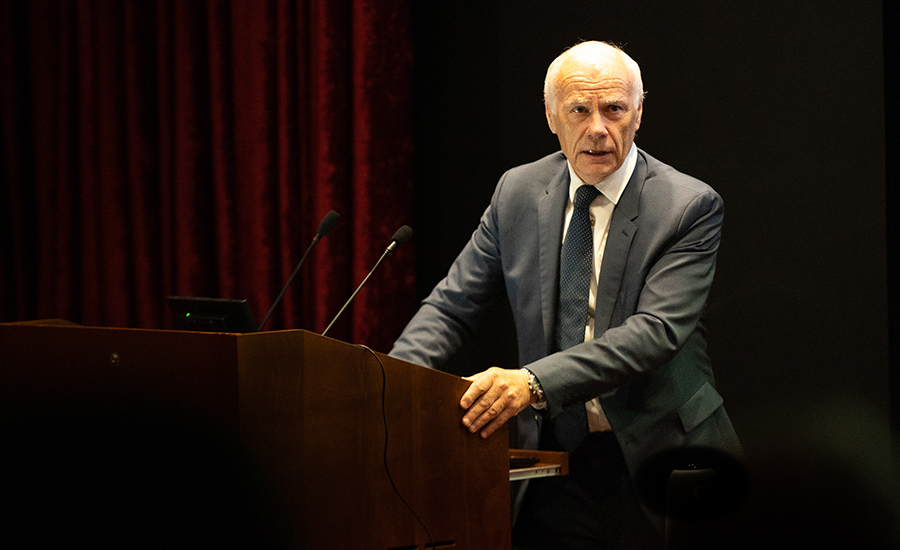
‘It is possible to accelerate innovation – we’ve demonstrated that.’ Paul Booth OBE, outgoing SCI President at SCI’s AGM, July 2022. Image: SCI/Andrew Lunn
The pandemic taught us a lot about ourselves. It taught me that eating my body weight in sweets was a great way to destroy my teeth, and it brought home to many the futility of the five-day commute. On a more abstract level, it taught governments and policy makers just how much can be achieved in a short space of time when necessity demands it. The vaccines that swam around our veins bore testament to this.
The pandemic has shaped innovation. Nowhere is this more apparent than in medicine. It isn’t the first awful event to provide a hotbed for change, and it won’t be the last. ‘It is possible to accelerate innovation,’ Paul said. ‘We’ve demonstrated that.’
Black Death and the bird mask
As bad as the Covid-19 pandemic was, the Black Death makes it look very tame indeed. It is estimated that the Plague, which was its worst from 1346-53, took up to 200 million lives in Eurasia and North Africa.
Amid the carnage, it is also said to have given us a system to mitigate infectious diseases with which we are familiar, including isolation periods. According to Britannica, ‘public officials created a system of sanitary control to combat contagious diseases, using observation stations, isolation hospitals, and disinfection procedures.’

The terrifying doctor will see you now.
The Plague also said to have inspired greater experimentation in pharmacology. In a sense, it also helped democratise medicine, with medical textbooks shifting from Latin to the vernacular. As John Lienhard, at the University of Houston, noted: ‘Both medical and religious practice now shifted toward the laity.’
But perhaps the most memorable advance from this time was the strange, beak-like masks worn by some doctors during the Plague. These masks were a crude (and frankly terrifying) way to protect the doctors from the disease in the air. The doctors even filled these masks with herbs in an effort to protect against pathogens.
Byproducts of the war effort
Of course, wars have also led to military innovation at breakneck speed. During the American Civil War, the Minié ball was created. It spun faster than other bullets and could travel half a mile – unlike pre-Civil War bullets, which went a mere 300 feet.

Officers of a monitor-class ironclad warship, photographed during the American Civil War.
This war also led to the ironclad warship, with plates riveted together to protect against cannonballs. However, it should also be noted that many of the most interesting war-borne inventions have ended up having little or nothing to do with military application.

The ‘cotton-like-texture’ of cellucotton led to its brand name Kotex. According to this 1920 advertisement, this ‘wardrobe essential of Her Royal Daintiness’ was available at any shop that catered to women. Different times.
World War I gave us the blood bank, the Kleenex, the trench coat, and the sanitary pad. The sanitary pad has peculiar origins. In 1914, the war resulted in cotton shortages and substitutes were needed. Kimberly-Clark executives duly discovered a processed wood pulp material that was five times more absorbent than cotton, and cheaper to make. The material was used for bandages, and Red Cross nurses realised that this material could be used as makeshift sanitary pads. The company then developed a sanitary pad – branded Kotex – made from cellucotton and a fine gauze.
Synthetic rubber and Super Glue
Material substitution also led to ground-breaking innovation in World War II. According to the National WWII Museum New Orleans, in 1942 Japan cut off the US supply of natural rubber. With the demand for rubber high, US President Franklin Roosevelt invested $700m to make synthetic rubber from petrochemical byproducts at 51 new plants. By 1944, these synthetic rubber plants were producing 800,000 tonnes of the material a year.
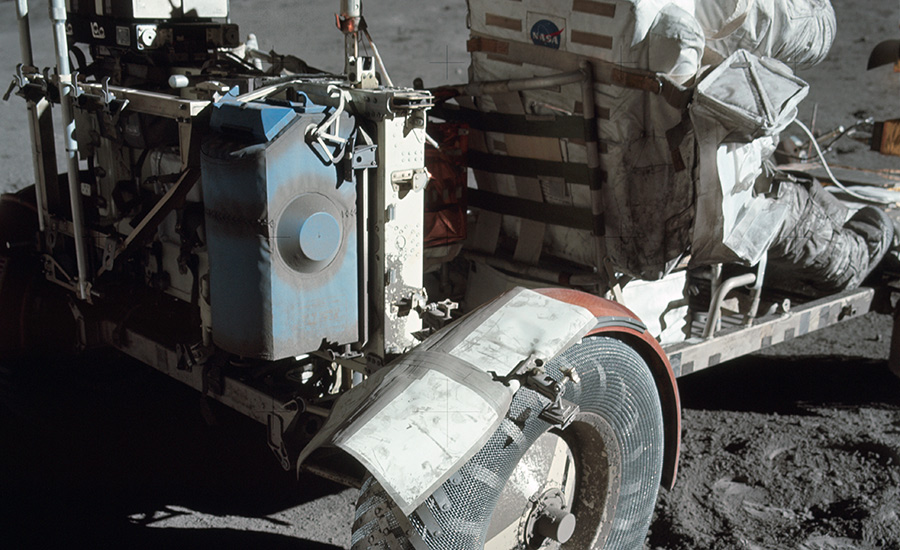
Duct tape was developed by Johnson & Johnson during the Second World War, and by 1972 the ubiquitous tape had reached the moon. This makeshift wheel fender repair helped the Apollo 17 mission’s lunar rover to keep lunar dust at bay.
We use many other products invented during the Second World War, including duct tape, which was developed by Johnson & Johnson to keep moisture out of ammunition cases. A fellow called Harry Coover discovered cyanoacrylates – the active ingredient in Super Glue – while he tried to create a clear plastic for gun sights.
And the next time you reheat your dinner, spare a thought for Percy Spencer, the US physicist who noticed the candy bar melting in his pocket when he stood next to an active radar set. This moment of epiphany led to an invention you might know: the humble microwave.
Accelerating penicillin and vaccine rollout
Just as these trying times lead to extraordinary leaps in technology, they also lead to the large-scale rollout of said discoveries. A prime example of this is penicillin. It was first used to treat an eye infection in 1930, but it was only with the horrific fall-out of war that experiments with deep tank fermentation led to its widespread production.

A soldier recuperates in hospital thanks to penicillin in this Second World War poster. Note the not-quite-so-life-saving hospital bed cigarette. Different times, again.
The Penicillin Production through Deep-tank Fermentation paper in ACS notes that: ‘During World War II, the governments of the United States and the UK approached the largest US chemical and pharmaceutical companies to enlist them in the race to mass produce penicillin […] One of these companies, Pfizer, succeeded in producing large quantities of penicillin using deep-tank fermentation.’
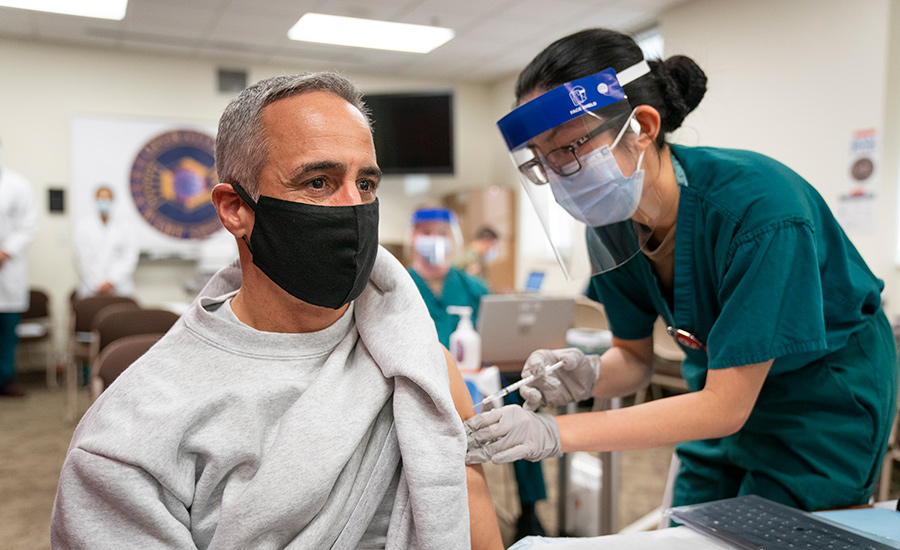
The speed of development and global-scale rollout of vaccines against Covid-19 was unprecedented. Science, business and governments worked together to get the world moving again.
And, as we all know, Pfizer was back at it again during the Covid-19 pandemic. Along with AstraZeneca, Moderna, and essentially the entire pharmaceutical industry, it created vaccines that saved countless lives. Governments and policymakers were also reminded just how quickly life-saving technologies can be pushed through when needed.
But the legacy of Covid-19 treatment will stretch further, be it in nanotechnology, artificial intelligence, or other fields – who knows what else will come from it?
As Paul Booth said: ‘It is possible to accelerate innovation. We’ve demonstrated that.’
25 July 2022 |
|
|
Science & Innovation
Many believe that greenhouse gas removal technologies will be necessary if we’re to reach net zero by 2050. In the first of our two-part geoengineering feature, we look at some of the difference-makers.
This week, a friend of mine played a tennis match just north of London. The game was due to take place at 18:00 but was deferred for an hour because it was 39°C. This came a day after Rishi Sunak, who may become the UK’s next Prime Minister, warned about going ‘too hard and too fast’ on net zero measures.
It’s looking increasingly likely that the implementation of environmental policies isn’t happening quickly enough; so, if we want to avoid catastrophic climate change, we will need to develop technologies that pull carbon dioxide from the atmosphere.
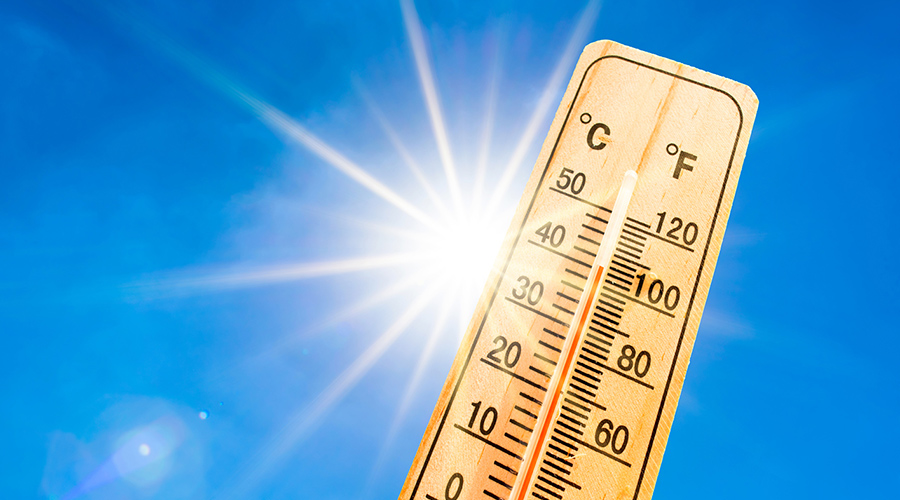
Mercury rising: the UK recorded record high temperatures this week.
Certainly, that’s the UK government’s perspective. ‘Greenhouse Gas Removal technology will be essential to meeting the UK’s climate change target of net zero carbon emissions by 2050,’ it said. ‘These technologies will be necessary to offset emissions from hard to decarbonise areas, such as parts of the agriculture and aviation sectors.’
Thankfully, work is underway to make this happen. And it is more than just the pang of the environmental conscience that has stirred the private sector into action. There is much money to be made from geoengineering. Indeed, a CNBC story has estimated that it could be a trillion dollar market by 2050.
The public investment has been relatively modest by some. The UK government recently pledged £54m in funding towards 15 different carbon removal technologies. But some in the private sector have dollar signs in their eyes.
A collaborative called Frontier – funded by Stripe, Alphabet, Shopify, Meta, McKinsey, and tens of thousands of businesses using Stripe Climate – has made an advance market commitment to spend an initial $925m on permanent carbon removal technologies between 2022 and 2030.
‘Models project that by 2050 we will need to permanently remove billions of tons of CO2 from the atmosphere every year,’ it states. ‘To date, fewer than 10,000 tons have been removed in total.’ The capital it has committed is designed to help companies developing carbon removal solutions to scale up.
The UK government has mentioned the need for a portfolio of carbon removal technologies to reach net zero. A cursory look reveals that there are many from which to choose, including direct air capture, the manipulation of the sea, advanced weathering, and solar engineering.
These methods are audacious, exciting, and controversial.
Direct air capture
The key, as ever, is to come up with low-carbon technologies that are both effective and economically viable. In that respect, direct air capture has emerged as a front runner. This technology often uses giant fans with filters, or chemical processes, to take CO2 from the air.
The difficulty is the amount of energy needed to power these processes and the source of this energy. The cost of removing each tonne of CO2 is also an impediment to growth – something that will need to fall for it to be implemented on a large scale.
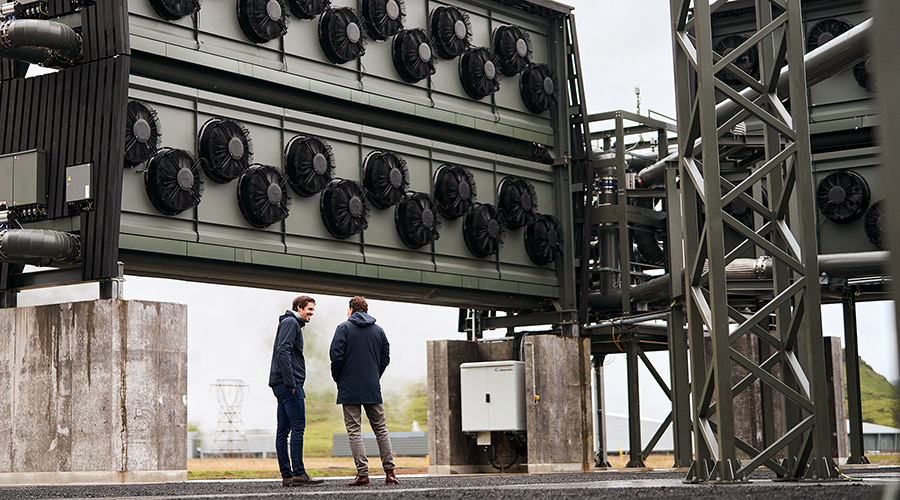
Climeworks co-founders Jan Wurzbacher and Christoph Gebald at the Orca plant in Iceland. Image courtesy of Climeworks.
Nevertheless, significant strides have been made in recent times. Swiss company Climeworks raised US$650m in equity for its largest direct air capture plant, and last week it inked a 10-year deal with Microsoft to permanently remove 10,000 tonnes of CO2 emissions from the atmosphere on its behalf.
The company’s machines capture CO2 from ambient air by drawing air into the collector with a fan. The CO2 is captured on the surface through a selected filter material that sits inside the collectors. Once the filter is filled with CO2, the collector is closed, and the temperature is increased to 80–100°C, whereupon the CO2 is released.
And what becomes of the CO2 after that? The CO2 at its Orca facility (50km outside Reykjavík, Iceland) will be mixed with water and pumped deep underground. The carbon dioxide will then react with the basalt rock through natural mineralisation and turn into stone.
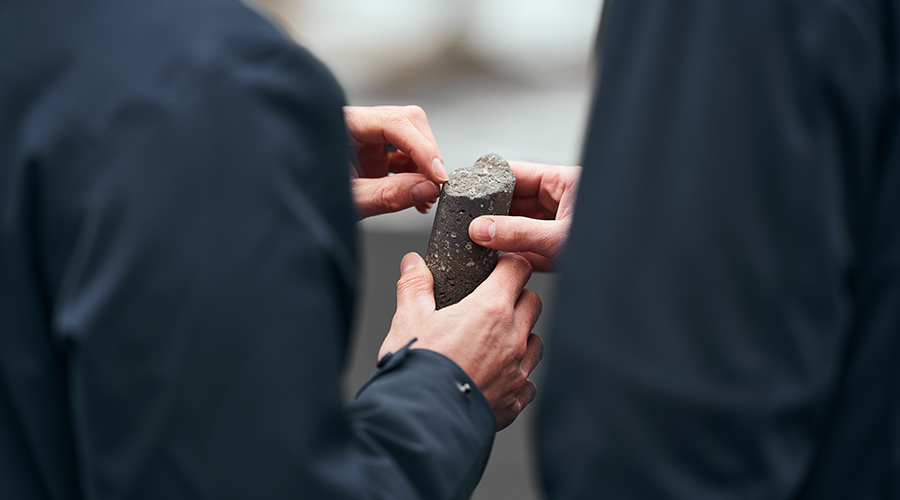
Climeworks CO2 turned into stone via Carbfix technology. Image courtesy of Climeworks.
And Climeworks isn’t the only one operating in this space. As part of the UK Government’s aforementioned £54m funding, London-based Mission Zero Technologies will receive £2.9 million to build a low-energy, heat-free way to pull CO2 from the air.
Sydney-based AspiraDAC has been backed by the Stripe Climate Fund to remove 500 tonnes of CO2 using its modular, solar-powered system. According to Frontier: ‘Its MOF (metal-organic framework) sorbent has low-temperature heat requirements and cheap material inputs, increasing the likelihood that AspiraDAC can help accelerate the production of lower-cost metal-organic frameworks which, historically, have been expensive and difficult to synthesise.’
The Stripe Climate Fund has also backed 8 Rivers Capital, LLC, and Origen Carbon Solutions, Inc to remove CO2 from the air using its direct air capture (DAC) technology. Frontier said: ‘The DAC technology accelerates the natural process of carbon mineralisation by contacting highly reactive slaked lime with ambient air to capture CO2. The resulting carbonate minerals are calcined to create a concentrated CO2 stream for geologic storage.’
Of course, direct air capture is just one of many CO2 removal solutions. In part two, next week, we’ll look at other promising technologies.
22 July 2022 |
|
|
Sustainability & Environment
What is the verdict on the 100% sustainable fuel Formula 1 plans to use in its cars, and is the new E10 fuel this season doing any good? We asked David Bott, SCI’s Head of Innovation.
Beware of Greeks bearing gifts. This phrase comes from Virgil’s Aeneid, and it refers to the Greeks’ gift of a giant wooden horse to their enemies during the Trojan War. But this was no gift at all.
This warrior-filled, hollow wooden horse that the Trojans wheeled inside the gates of Troy was a ploy from the Greeks to get inside the city’s impenetrable city walls and ambush their enemy. It turned out things weren’t quite what they seemed.
Just as Trojans became wary of giant wooden horses, we should be wary of Net-Zero pledges. These promises seem impressive but, if you look inside, they might not be quite as beneficial to the environment as advertised – at worst, they could be hollow.
Whenever an organisation talks of carbon credits, makes a vague reference to biomass or a grand pledge with little detail, it is worth closer investigation.
Formula 1 recently made a sustainability pledge of its own. Following its decision to use E10 fuel in the cars this season (a mixture of 90% fossil fuel and 10% ethanol), it has announced plans to use a 100% sustainable drop-in fuel in its vehicles as part of its plans to reach Net-Zero by 2030.
On first reading, the terms Net-Zero and Formula 1 don’t sit easily together. Isn’t this the sport where 20 cars can burn more than 100kg of fuel each per race? The same travelling circus in which cars, teams, and drivers are flown and ferried all over the world for more than eight months of racing?
By its own calculation, in a November 2019 report, Formula 1 is responsible for 256,551 tonnes of carbon dioxide emissions each year. To put that figure into perspective, you would need to drive for 6,000km in a diesel car to generate a single tonne of carbon emissions – multiply that by 256,000, and Net-Zero feels some distance away.
What about the E10 and proposed drop-in fuels?
Both Formula 1’s new fuel and pledges merit closer inspection. Regarding the move to the E10 fuel in Formula 1 cars, David Bott, SCI’s Head of Innovation, wasn’t exactly gushing.
‘E10 is an evolutionary backwater – adding just 10% ethanol does nothing for emissions,’ he said. ‘A quick enthalpy calculation shows the energy in the fuel has decreased, so you need more.’
The proposed move to a ‘100% sustainable drop-in fuel’ used in standard internal combustion engines is seen by many as a positive move. Formula 1 says the fuel will be made using components from either carbon capture, municipal waste, or non-food biomass.
Each of these ‘components’ on its own is worth exploration. For example, what types of municipal waste do they mean, which types of non-food biomass are they talking about, and what about the manufacturing process?
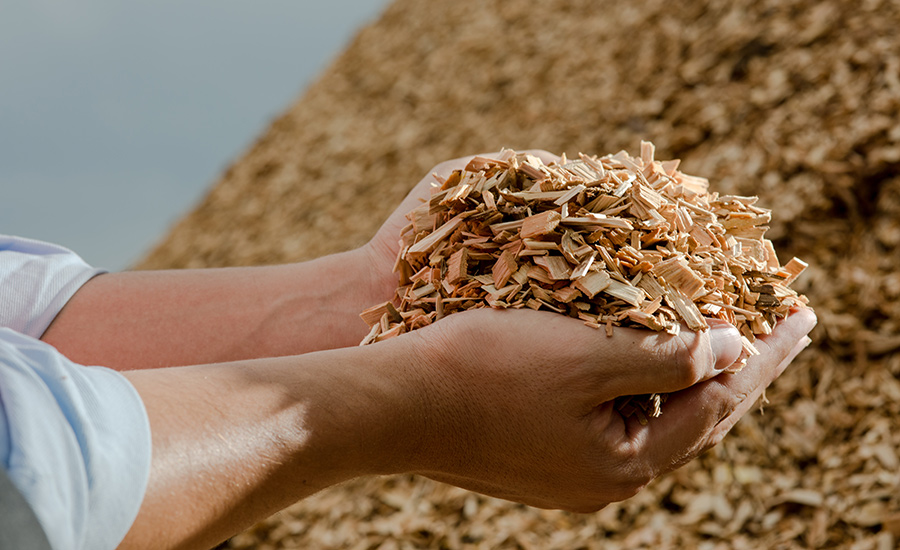
Biomass fuel is controversial due to concerns over carbon sequestration and land use.
The passage of time will reveal more but, again, David has questioned the green credentials of the proposed fuel. He said: ‘What Formula 1 is proposing to do is analogous to sustainable aviation fuel – to make octane from a non-fossil source of carbon.’
‘[To do this], you can use biomass or “synthetic”, which basically means distillate plastic waste. It is effectively using fossil carbon that was used for something else; so, it doesn't make the situation any worse, but neither does it really contribute to lowering emissions. It’s just short-cycle carbon.’
Freight with difficulty
The mention of aviation is pertinent when it comes to Formula 1. The emissions generated by the 10 teams’ vehicles across 21 Grands Prix, including races and testing, account for just 0.7% of Formula 1’s total emissions. But by far the biggest contributor to its CO2 emissions are logistics – the movement of equipment from venue to venue by land, sea, and air.

The equipment used in Formula One must be transported from continent to continent by sea, land, or air.
After that comes business travel at 27.7%, which includes the air and ground transportation of all individuals, as well as the hotel footprint from all Formula 1 teams’ employees and major event staff. So, it’s clear that the main environmental problem isn’t the fuel used during the races; it is all of the other transport emissions.
To be fair to Formula 1, the sport has made an effort to make operations greener, including powering its offices using 100% renewable energy and taking measures to make freight more efficient.
However, any claims that it is motoring to Net-Zero by 2030 need to be chased with a liberal swig of scepticism. A Net-Zero 2030 goal provides a nice headline, but how you get there is the story.
05 July 2022 |
|
|
Sustainability & Environment
Fossil fuels don’t just keep our motors running. They don’t just heat our homes. They form the basis of many of our everyday products.
Problem is, fossil carbon is cheap and reliable. Nevertheless, bit by bit, many companies are weaning themselves off petrochemical feedstocks.
For Unilever, that means dishwasher liquids with cleaning agents made from fermented sugar. For Croda, it means using corn to create a bio-ethylene oxide that can replace some surfactants in its personal care products.
So, what other moves have organisations made lately to create greener feedstocks?
1. Castor seed building blocks

Arkema is using castor seed in a huge range of products.
Arkema has received certification for its castor seed-based materials in products that include cosmetics, fragrances, lubricants, and pharmaceuticals.
The Paris-based speciality materials company says it will use castor seed for 100% of its monomer, polymer, and oleochemical production in its plant in Singapore.
Part of the problem with developing green feedstocks is making them financially viable and resilient. Growing these feedstocks sustainably is also important. For example, palm oil contains many products that make it a useful feedstock for those in the chemicals industry, but the way it is farmed, and its effect on the soil, are routinely criticised.
To that end, Arkema says that 13,300 hectares used to grow its crops (primarily in Western India) are sustainably farmed under the Sustainable Castor Caring for Environmental and Social Standards code.
2. Nutrient recovery
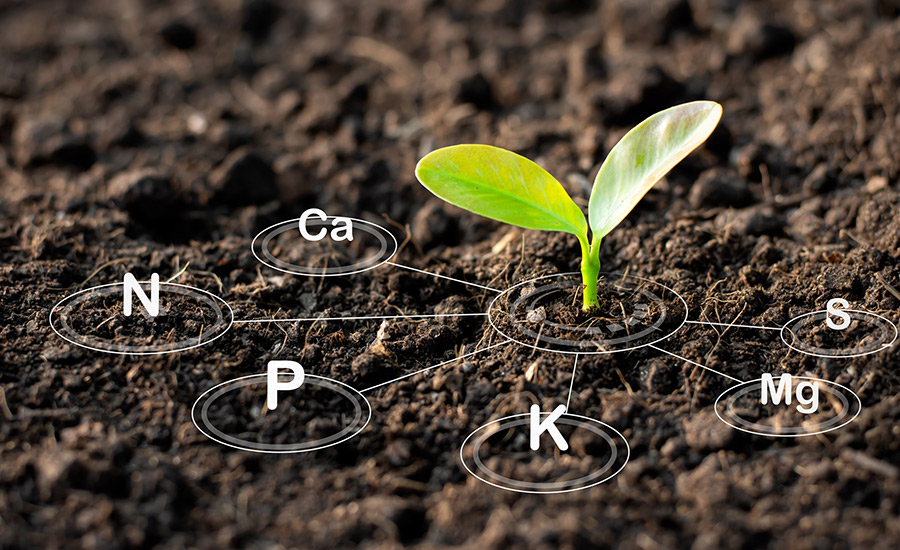
Unused nutrients from agriculture could be turned into biofertiliser.
The US Environmental Protection Agency (US EPA) is taking part in a project with Northwest Florida Water Management District and May Nursery that will demonstrate nutrient recovery technology.
According to the US EPA, the aforementioned parties will demonstrate how unused nutrients from agriculture can be captured and turned into a biofertiliser that will help farmers along the way to more circular agricultural processes.
>> How do we make a large-scale move to greener feedstocks? Several of SCI’s Corporate Partners weighed in on the issue.
3. An alternative to plastic wrapping

Thyme oil’s antimicrobial properties could help extend the shelf life of fresh food.
Researchers at Rutgers and Harvard have created a plant-based spray coating for fresh food packaging, which they believe could reduce our reliance on petroleum-based packaging.
The researchers liken their technology to the webs that shoot from Spider-Man’s wrist. Their stringy material is spun from a hair-dryer-like heating device that is shrink-wrapped over foods as diverse as avocado and sirloin steak.
Their biopolymer contains natural antimicrobial agents – thyme oil, citric acid and nisin – to fight spoilage. The wrapping can also be easily rinsed off and degrades in the soil within three days.
4. Degraded by the light

North Dakota researchers have developed a plastic that degrades in a wavelength of light not contained in the spectrum of sunlight on earth.
Biodegradation is a prickly issue. Many are sceptical about the way biodegradable plastic bags interact with the natural environment, and others argue that we should focus on upcycling products rather than downcycling them.
That’s partly what makes a new bio-based vanillin plastic so interesting. A team of US researchers from the Center for Photochemical Sciences, Bowling Green State University, and North Dakota State University has created lignin-based polymers that degrade when exposed to light of a specific wavelength – a wavelength not contained in the spectrum of sunlight that reaches the earth.
The result of this, they claim, is that up to 60% of the monomers could be polymerised again with no loss of quality. So, in theory light-triggered degradation could make it much easier to re-use these materials.
>> Natural materials, such as hemp, are becoming ever more important. So, what makes it so special?
22 June 2022 |
|
|
Science & Innovation
Is it dipping your finger into a glistening bowl of mercury? Is it symmetry? Is it the patterns of crystal growth or is it to be found in nature – in the neatness of evolution? In his thought-provoking SCItalk, Philip Ball explored the beauty of chemistry.
When you write fiction, you’re supposed to wake all the senses. So, don’t just tell readers what something looks like. Tell them how it feels. Tell them how it sounds. Tell them how it tastes. For beauty exists in the smell of perfume as someone walks by, just as it resides in the colours of bloom. One of the beauties of chemistry – like nice writing – is that it also evokes all of the senses.
That was what drew Philip Ball to chemistry: the profusions of colour, the explosions, the reek of sulphur, dipping his finger into a bowl of mercury as a lad and wondering how this dense, silvery liquid hadn’t made his hand wet.
And yet, chemists – and scientists in general – seem to have a complicated relationship with beauty. Part of this is down to what different groups see as beautiful. ‘When scientists talk about beauty,’ he said, ‘they think they’re talking about what artists are, but they really aren’t.’

A chemical garden formed from copper nitrate in sodium silicate solution by Yan Liang and Wenting Zhu.
For a physicist, an equation might capture the essence of beauty. For a chemist, it might be the shape of a crystal growth formation. Ball argued that chemists tend to be Platonists – that they locate beauty in symmetry (for Plato, he added, art was too messy ever to be beautiful).
Chemistry’s reputation as a staid science isn’t helped by the fact that it has long hidden its light from the world. Much beauty is confined to those who view it under microscopes. It is only relatively recently – with the proliferation of high-resolution imagery – that the public has finally looked upon the beauty of chemical gardens, processes, and configurations in all their stunning detail.
Even so, despite the bewitching quality of seeing copper hydroxide billowing like a jellyfish, and the jagged architecture of lead formations, much of chemistry’s beauty lies in its dynamism, rather than the confines of the still frame.
The inspiration of nature
And yet, it wasn’t ever thus. Chemistry in bygone centuries was viewed slightly differently. ‘Of the chemistry of his day and generation, [the German philosopher] Kant declared it was a science, but not Science,’ Ball noted.
Similarly, in Frankenstein, Mary Shelley painted chemistry in a different light to how it is seen today. ‘Chemistry is that branch of natural philosophy in which the greatest improvements have been and may be made,’ her character, Professor Waldman, said.

The sheer beauty in science has long been appreciated, as is seen in this cyanotype photogram made by Anna Atkins in her 1843 book, Photographs of British Algae: Cyanotype Impressions.
So, why the small s? Why was it seen, not as a soft science, but one with a softer underbelly – like a stone-faced steel worker who secretly writes poetry? Perhaps it has to do with the link to creation. ‘Chemists display, arguably, the greatest creativity in the sciences,’ Ball said. ‘[They have] the urge to make stuff.’
This creativity is often guided by the beauty of the natural world. Ball argues that some scientists are guided by the sheer beauty of nature, by finding the unexpected in things we have seen so many times before.
On the screen, he put up a picture of what looked like the intricate component of a motor, which turned out to be the natural motor structure within bacteria driving its very survival. He mentioned the pigments within flower petals, so delicately tuned by evolution.
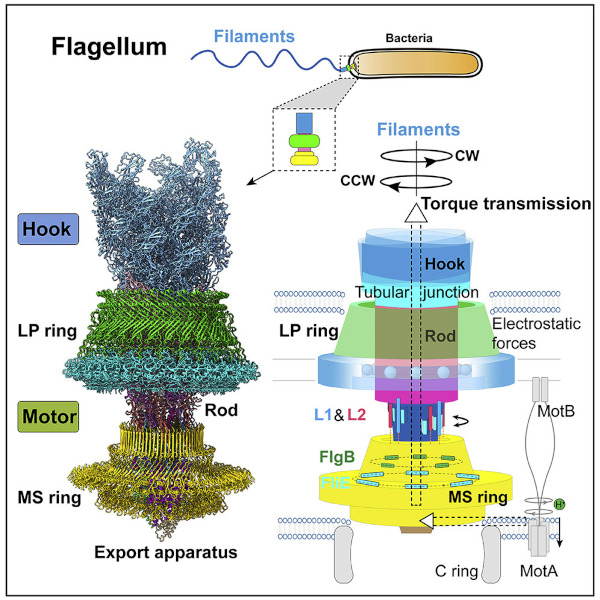
An extraordinary bacteria motor (left). Image from paper on: Structural basis of assembly and torque transmission of the bacterial flagellar motor. Created by Zhejiang University researchers..
Simply put, the elegant solutions found by nature are inspiring. ‘It made me think about what Einstein said,’ he added. ‘The Theory of Relativity was so beautiful to him that he believed nature had to work this way.’
And some chemists are drawn by a different type of aesthetic: the beauty of the method. Just as a football fan might rhapsodise about the arc of a perfectly struck free-kick as it curves beyond the keeper’s reach, some chemists see something in the process. ‘For some chemists, there’s a beauty in the synthesis,’ Ball said; and other chemists, he added, will have their own aesthetic responses to an approach, be it elegant or otherwise.
Why shouldn’t the work of a chemist be driven, in part, by beauty? And why should the arbiters of the aesthetically pleasing be confided to the arts? For Philip Ball, the chemical world is one of artistry, dynamism, and beauty. For him, science provides a new lens, new tools for seeing, and new ways for looking at the world around us.
‘Science doesn’t de-enchant the world,’ he said. ‘On the contrary, it re-enchants it.’
Philip’s book, The Beauty of Chemistry, is published by MIT Press.
06 June 2022 |
|
|
Science & Innovation
Have you ever seen a snowflake up close? Have you smelt fertiliser on a country drive? Chemistry is the most sensuous of the sciences, and it may just be the most beautiful too. In our latest SCITalk, Dr Philip Ball showcases the breathtaking beauty of chemistry.
Main image: A chemical garden formed from copper nitrate in sodium silicate solution by Yan Liang and Wenting Zhu.
Even the most disciplined of us falls into these rogue states from time to time, minutes of total absorption unrelated to work or duty. For some, it is the humble cat video. For others, it is the endless tapestry of Twitter.
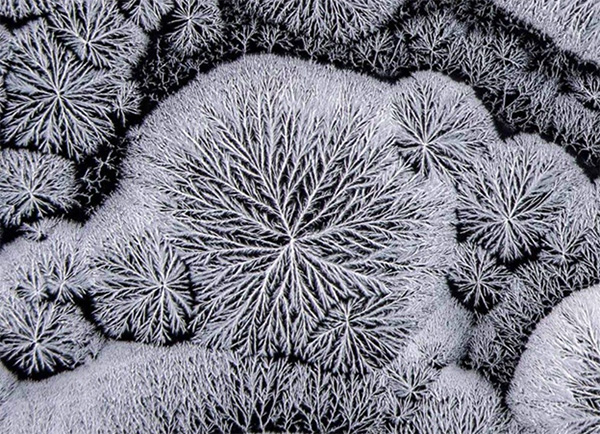
Crystals of nicotinic acid by Yan Liang and Wenting Zhu.
For me, this morning, it was a time-lapse video of crystal growth patterns. The world temporarily stopped moving as I fell headlong into high-resolution pictures of icy fronds appearing and clusters of spikes combining to form crystalline towers. Who knew potassium nitrate, ammonium chloride, and monopotassium phosphate could be so beautiful?
It turns out, Dr Philip Ball did. He knows all about the beauty of chemistry – from its profusions of colour to the hypnotic beauty of snowflakes forming.

Oxygen bubble from decomposing hydrogen peroxide by Yan Liang and Wenting Zhu.
Dr Ball argues that chemistry is the most sensuous of the sciences. Which of us hasn’t smelt the stink of sulphur or the sting of ammonia in our nostrils? When he unveils vivid, other-worldly pictures of chemical gardens, or even when we see a close-up of water being added to a bowl of M&Ms, it’s hard to disagree with his view.
This Wednesday evening, 25 May 2022, Dr Ball will deliver his SCI Talk about the beauty of chemistry and his book of the same name, which he put together with photographers Yan Liang and Wenting Zhu. Using microphotography, time-lapse photography, and infrared thermal imaging, they have captured astonishing photos of chemical processes.
They have captured a beauty seldom seen, except by chemistry’s day-to-day practitioners. They show us the chemistry of champagne in a new light and the transformations of evaporation and distillation. They unveil the strange world of chemical gardens – from the blue tendrils of copper nitrate in sodium silicate solution, to the silky precipitation of silver chromate.

Precipitation of silver chromate by Yan Liang and Wenting Zhu.
Some defend the beauty of science by conflating it with the pursuit of truth. As the famous snippet from Keats’ Ode on a Grecian Urn goes: ‘Beauty is truth, truth beauty.’ Yet, it’s clear that the beauty of chemistry does not need to be defended in such abstract terms. It’s there in champagne bubbles and the deft configurations of a snowflake. You just need to look into a microscope - or plunge mind-first down a YouTube rabbit hole.
Register here to watch the Beauty of Chemistry SCItalk this Wednesday 25 May 2022.
23 May 2022 |
|
|
Sustainability & Environment
By rethinking the way our products are designed and changing the way we use plastics, we can tackle the blight of marine litter and the general accumulation of plastic waste. But, as Professor Richard Thompson said in our latest SCItalk, systemic issues and historical excesses have made this no easy task.
Contrary to popular perception, plastic is not the villain. When it comes to marine littering, we are the ogres, with our single-use bottles bobbing in the oceans and the detritus of our everyday lives littering the coastline.
We are the reason why 700 species are known to encounter plastic debris in the environment. It is because of us that plastics have beaten us to the bottom of the deepest oceans and glint in the sun near the summit of Mt. Everest.
According to Richard Thompson, of the Marine Institute School of Biological and Marine Sciences at the University of Plymouth: ‘Plastic debris is everywhere. Its quantity in the ocean is likely to triple between 2015 and 2025.’
As Professor Thompson pointed out all of these facts to his audience in our latest SCItalk on 23 March, he outlined potential solutions. However, there is no ignoring the depth of the issues at hand when it comes to the litter in our seas.
The problems
1 - The weight of history
Society has gradually woken up to the menace of discarded plastics and, laterally, to the threat of microplastics and nanoplastics. The problem is that we left the barn door open decades ago. So, all of those plastic microbeads from shower gels, fibres from clothing, and tyre wear particles polluted our seas for many years before it came to public and scientific attention.
Professor Thompson said that 300 papers were published globally on microplastics in the last academic year alone, but research in the area was relatively thin on the ground before Thompson and his colleagues released their pioneering study on microplastics in Science in 2004.
2 - Bad habits
‘The business model for the use of plastics hasn’t really changed since the 1950s,’ Professor Thompson said. According to him, we have had 60 years of behavioural training to just throw products away, and our waterways reflect this attitude.
According to Professor Thompson, 50% of shoreline litter items recorded during the 2010s originated from single-use applications. Without a sea change in our attitude towards single-use items, this problem will persist.
>> Why are we ignoring climate change and what can we do about it? Read more on our blog post.
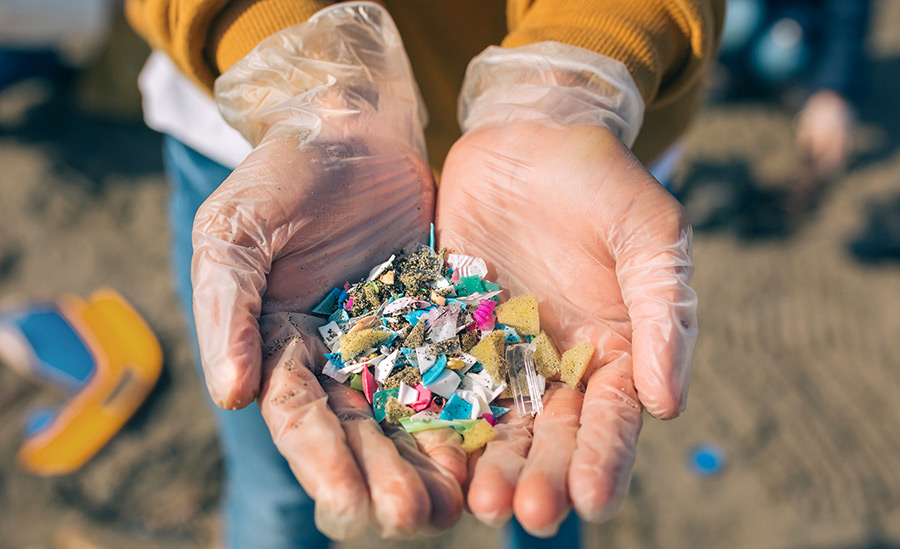
Microplastics have been subject to great scrutiny, but much of the research is quite recent.
3 - We need to talk about nanoplastics
The problems with larger plastics and even microplastics are now well documented. The worrying thing, according to Thompson, is that there are knowledge gaps when it comes to nanoplastics in the natural environment. What are the effects of nanoplastic ingestion? What are the effects of human health? Time will tell, but Thompson was keen to ask if we really need that information before we take action.
He was more sanguine about the effects of microplastics. ‘The concentration of microplastics is probably not yet causing widespread ecological harm,’ he said, ‘but if we don’t take measures, we’ll pass into widespread ecological harm within the next 50-100 years.’
The solutions
It seems counterintuitive to think of petrochemical plastics as a sustainable solution; and yet, despite the environmental problems posed by their durability, they do have a role to play in a greener approach.
‘If used responsibly, plastics can reduce our footprint on the planet,’ Thompson noted. Indeed, the lightweight plastic parts in our cars and in aviation can actually help reduce carbon emissions. But despite their merits, how do we keep plastic litter from our seas?
1 - Design for end of life… and a new one
To illustrate a flaw in the way we design plastic products, Professor Thompson gave the example of an orange coloured drinks bottle. While the bright colour may help sell juice drinks, there is an issue with recycling these coloured plastics because their value as a recyclate is lower. Clear plastics, on the other hand, are much more viable to recycle.
He argues that many products aren’t being designed with the whole lifecycle in mind. ‘We’re still failing to get to grips with linking design to end of life,’ he said, before highlighting the importance of communicating how products should be disposed of right from the design stage.
Basically, our products should be designed with end of life in mind. ‘If we haven’t even designed a plastic bottle properly,’ he lamented, ‘what hope do we have with something that’s more complicated?’
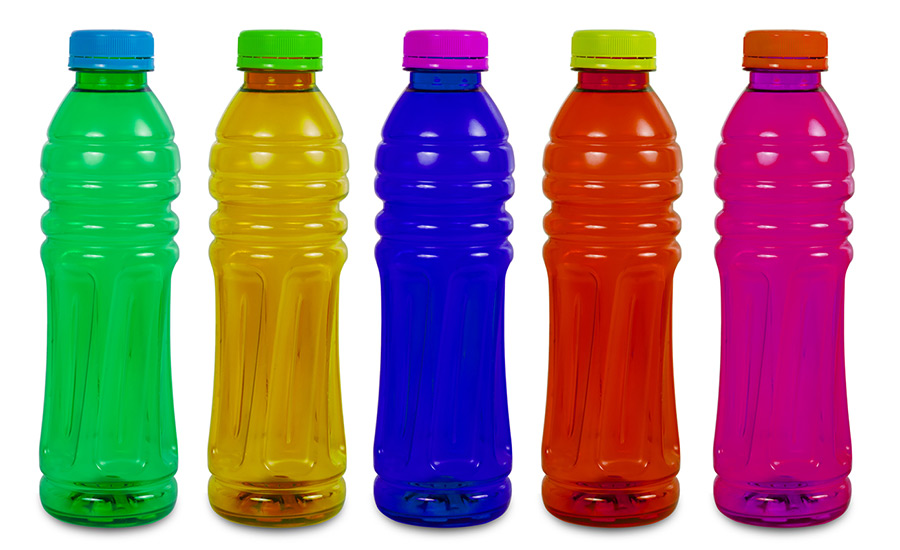
Those brightly coloured plastic bottles look nice and fancy, but they can be challenging to recycle in a circular economy.
2 - Ever recycle? Ever fail? Recycle again. Recycle better
Professor Thompson argued that better practices are needed to help divert materials away from our seas (and it should be noted that there are other types of discarded materials to be found there). If we recycle greater quantities of end of life plastic products and bring them into a circular economy, he said, ‘we’d decouple ourselves from oil and gas as the carbon source for new production because the carbon source we use would be the plastic waste’.
He said more could also be done with labelling so that customers know whether, for example, a product is compostable and which waste stream it needs to be placed in to achieve that. He also noted that addressing our single-use culture would be a good place to start if we want to change the business model of linear use.
3 - Broaden the discussion and pull those policy levers
The good news is that there is an appetite for change. ‘Ten years or so ago there was no consensus that there was a problem,’ Thompson noted. ‘I would argue that this has changed.’ However, he also feels that it is essential to gather reliable, independent evidence to inform interventions, rather than espousing solutions that could make things worse.
‘We need to gather that evidence from different disciplines,’ he said. ‘We need to have at the table product designers and couple them with the waste managers. We need to have economists at the table. We also need to bring in social scientists to look at behaviour. We’ve got to think about this in the round.’
He also felt that policy measures – such as mandating recycled content – could be a good option, along with better design and disposal.
The tools we need to tackle plastic pollution are already at our disposal. We just need to act more responsibly – which, unfortunately, has been part of the problem all along.
As Professor Thompson said: ‘It’s not the plastics per se that are the problem – it’s the way we’ve chosen to use them.’
>> For more interesting SCI talks like Professor Thompson’s, check out our YouTube channel.
>> Find out more about the work of Professor Thompson and his colleagues here: https://www.plymouth.ac.uk/research/marine-litter.
21 April 2022 |
|
|
Agrifood
There was a happening in York recently – a Hemp Happening – organised by SCI’s Agrisciences Group and Biovale. It took place at York’s STEM Centre and explored the issues around growing and using industrial hemp. Despite these issues, there is a growing demand for hemp fibre and shiv as we look to use sustainable natural fibres and move to a low-carbon economy.
In 10 years’ time, you’ll walk out of your hemp-insulated home, wearing your hemp fibre t-shirt, polishing off the last of your hemp and beet burger, before heading to work in your hemp seed oil-powered car.
Is this scenario fantastical? Yes, obviously, but as delegates attending Hemp Happening explained on 6 April, all of these products exist right now. The sheer breadth of them underlines what a useful and versatile material hemp is. If enabled through policy, hemp could play a big part in our low-carbon future. Here are five ways it could make a significant difference.
1. Carbon sequestration
Hemp has much-vaunted carbon-sequestering potential which, given our climate change travails, could prove extremely useful. Some experts say it is even better at capturing atmospheric carbon than trees. According to SAC Consulting, industrial hemp absorbs nine to 13 tonnes of CO2 per hectare. To put hemp’s absorption capacity into context, hemp market specialists Unyte Hemp said it absorbs 25 times more CO2 than a forest of the same size.
Of course, that’s all very well, but how do you make sure this carbon remains sequestered?
2. A future heavyweight champion?
One fitting home for hemp (and the carbon it has captured) is in construction, especially given the carbon-intensive nature of the industry. So, with the pressure intensifying to replace and retrofit the UK’s inefficient building stock, hemp is well placed to reduce emissions and improve building performance.
Hemp is not just used in insulation materials due to its excellent thermal performance characteristics. It is also used in rendering buildings and for non-load bearing blocks in construction. Indeed, hempcrete blocks, which are made from hemp shiv, lime, and sand or pozzolans, have a net carbon negative footprint.

Hemp is used in everything from food supplements to medicines, cosmetics, and construction products.
3. Farmer’s friend
Hemp also helps the earth. As flash flooding strips our soils, the plant’s root density and deep structure protects against soil erosion and mitigates compaction. Hemp also provides nutrients to help maintain soil health, making it useful in crop rotation.
As insect populations dwindle, the role of pesticides and herbicides are coming into sharper relief. In that respect, hemp has a natural advantage over other crops as it doesn’t require pesticides and fertilisers.
4.The Swiss Army knife of materials
We have long heard of the health benefits of hemp-derived products such as cannabidiol oil (or CBD oil), but pretty much the whole plant can be used. Its seeds are rich in omega-3, omega-6, and fatty acids, and help fend heart problems.
As mentioned above, the fibrous part of the plant sequesters carbon and produces low-carbon materials for construction, while its roots are used to treat joint pain and for deep tissue healing.
And then we have hemp for bioethanol production and even hemp seed veggie burgers. The list goes on; so, there are many ways for farmers to make money from it.
>> What can be done to make our soils healthier? Take a look at our blog on solving soil degradation.

Hemp has excellent insulation properties.
5. Non-thirsty textiles
I bet you know at least one person with a bamboo t-shirt or socks. Hemp has similar textile potential to its super material cousin. As the fashion industry interrogates its wayward past, the pressure will increase to lighten the footprint of clothing materials. Estimates vary, but hemp is said to need less than half the water required to cultivate and process than cotton textiles and its toughness is handy in long-lasting carpeting.
Mr Elephant, could you step through please?
Hemp has been heralded as a wonder material for decades but there is that elephant in the room. The restricted uses of hemp-related materials curb the extent to which it can be grown in the UK. At the event, delegates noted that outdated legislation, lack of government support, and education are among the factors holding back the growth of hemp on an industrial scale.
And yet, there is growing demand for natural materials that tackle climate change, especially those that sequester carbon. With pension funds increasingly divesting from fossil fuels, and the ever growing importance of corporate sustainability in business, sustainable materials such as hemp are now more attractive.
Arguably the most exciting contribution of the day was the mention of zero-cannabinoid industrial hemp. Even though the THC content levels present in hemp are low (compared to the high levels found in marijuana) and it’s unattractive as a THC source, hemp is still very strictly regulated in the UK compared to North America and the rest of the EU.
One participant mentioned that hemp genes could be edited to remove the cannabinoid – and, if that were to be achieved, it could change everything. Then we would really see hemp happening in the UK.
>> Interested in more events like this one? Visit our Events pages.
19 April 2022 |
|
|
Health & Wellbeing
We caught a tantalising glimpse of the next generation wearable technology at this year’s Bright SCIdea challenge final.
When we look at our FitBits or Apple Watches, we wonder what they could possibly monitor next. We know the fluctuations of our heartbeat, how a few glasses of wine affect our quality of sleep, and the calories burnt during that run in the park. But what’s next?
If the amazing wearable devices pitched by just three of our Bright SCIdea finalists are anything to go by, then we can look forward to not just next generation health monitoring but possible in-situ treatment too.
Measuring stress and managing diabetes
In recent times, medics have learnt far more about stress and its effect on our health. Indeed, stress was the focus of Happy BioPatch (from Oxford University and Manchester University) technology. The second place team has incorporated an IP-protected enzyme within a patch that measures your stress levels (by detecting the levels of cortisol in your sweat) throughout the day.
This information migrates from body to phone and notifies you if your stress levels are too high. One of many exciting aspects of this technology is that it could be used by physicians to check if patients need treatment for depression and prevent the serious consequences of stress. As one of the judges said, ‘I like it because it’s preventative.’
From mental health to physical health, two of the other finalists use wearable devices to address maladies in in-situ. BioTech Inov, from the University of Coimbra in Portugal, has developed plans for a subcutaneous biomedical device that tracks the blood sugar levels in diabetes patients. This technology would enable the wearer to track their blood sugar levels and let them know if trouble is lurking.

The latest smart watches track your body temperature, sleep quality, and can even detect electrodermal activity on your skin to gauge stress levels. | Editorial image credit: Kanut Photo / Shutterstock
Releasing heat and magnetic fields
Another intriguing development was the in-device treatment developed by the Hatton Cross team (comprising students from the University of Warwick, Imperial College London and Queen Mary University of London). The team is developing wearable technology that can detect wrist pain from sport, or the types of repetitive stress injuries arising from typing or writing too much.
One of the most fascinating aspects of the technology is the potential for in-device treatment. On the preventative side, the device could use vibration to alert users that their wrists are under strain. They also mentioned using heat from the device, or the release of a 0.05 Tesla magnetic field, to relax the muscles.
Another really insightful comment on the technology came from one of the judges. Dr Sarah Skerratt suggested that this type of technology - which is subtly attuned to the movements of the hand and wrist - could theoretically be used in the early diagnosis of Parkinson’s disease or Alzheimer’s disease. That is not to say there aren’t regulatory issues with developing wearable technologies for medical purposes, as the judges pointed out, but the potential of such devices is huge.
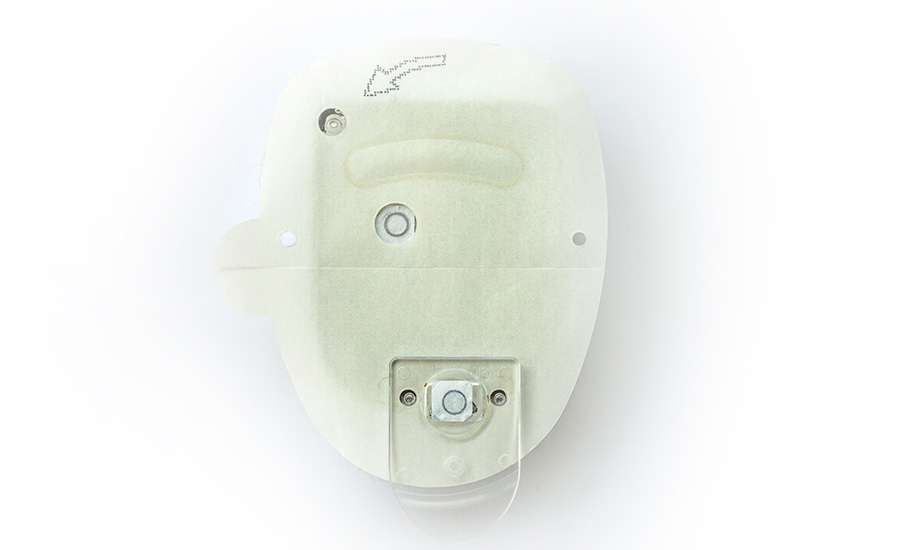
Wearable devices could be used to help diabetes sufferers, such as this Insulin Management System used by those with type 1 diabetes. | Editorial image credit: Maria Wan / Shutterstock
The staggering thing is that the technologies pitched by the Bright SCIdea finalists are just three of the myriad innovations being developed around the world at the moment.
Thirty years ago, few of us could have imagined that we would have a personal computer, music system, TV, watch, video, phone, camera, and games console all encapsulated within a single box that fits in our pockets. In 30 years’ time, we will scarcely be able to believe the health capabilities of the devices worn on our wrists and bodies.
Perhaps you will have heard of them first during the Bright SCIdea challenge?
22 March 2022 |
|
|