Health & Wellbeing
Reading outside his research area and efficient chemistry helped 2022 Perkin Medal winner Dennis Liotta develop groundbreaking drugs.
There has been an explosion of statistics in football, but one of the most influential figures in this revolution, Ramm Mylvaganam, didn’t care for the game. He worked for the confectionary company Mars. He sold chairs. He knew nothing about football.
However, this key figure outlined in Rory Smith’s recent book, Expected Goals: The story of how data conquered football, came into the field of football analysis and changed the game forever – partly because he approached the game with the fresh perspective of the outsider.
So, what do football statistics have to do with a chemist who came up with life-saving medications? Well, Dr Dennis Liotta, who came up with AIDS antivirals that have saved thousands of lives, may not have entered medicinal chemistry as a complete outsider. He was a chemist, after all. However, like Ramm Mylvaganam, his broad breadth of knowledge from different areas gave him a unique perspective on a new field.
Reading at random
Dr Liotta didn’t take the standard path into medicinal chemistry. In fact, he wasn't a diligent chemistry student at first – and that, in an odd way, contributed to his later success.
For the first couple of years at university, he was more interested in his extracurricular activities; but in his third year, he realised he needed to catch up. He worked hard and burnt the midnight oil. He also did something unusual.
‘I did something that’s kind of ridiculous-sounding,’ he said. ‘I had this big fat organic chemistry book, and I would just open it up randomly to some page and read 10 or 12 pages and close it back up. Over time, I ended up covering not only the things I missed, but actually learning about a lot of things that wouldn't have been covered.’
As his career progressed, Dr Liotta realised the importance of not just working harder, but working smarter. On Sundays, he would sit down with a bunch of academic journals to stay abreast of developments. However, as he read them, he discovered other papers – ones outside his research area – that piqued his interest.

Dennis Liotta in one of his lab spaces at Emory. Image by Marcusrpolo.
‘I’d see something intriguing. And so I’d say, that’s interesting, let me read. I started learning about things that I didn’t technically need to know about, because they were outside of my immediate interest. But those things really changed my life. And, ultimately, I think they were the differentiating factor.’
The intellectual stretch
This intellectual curiosity led to more than 100 patents, including a groundbreaking drug in the fight against AIDS that is still used today and a hand in developing an important hepatitis C drug.
‘In science, many times the people who actually make the most significant innovations are the people who come at a problem that’s outside of their field,’ Dr Liotta said. ‘Without realising it, we all get programmed in terms of how we think about problems, what we accept as fact.’
‘But when you come at a problem that’s outside your field… you aren't immersed in it. So, you think about the problems differently. And many times, in thinking about the problems differently, you’ll come up with an alternative solution that people in the field wouldn’t.’
We’ve often heard the stories of Steve Jobs wandering into random classes while at university when he should have been attending his actual course. Apparently, a calligraphy class inspired the font later used in Apple’s products. In other words, early specialism can sometimes hinder creativity.
‘I've looked into people who have made really some amazing contributions, and many times there’s been an intellectual stretch,’ Dr Liotta said. ‘They’ve gone out there and done something that they weren’t really trained to do. You can fall on your face from time to time, but it’s really nice when we're able to make contributions in areas where we don’t really have any formal training.’
Chance favours…
Of course, there’s so much more to creating life-saving drugs than intellectual curiosity and a different way of thinking. Dr Liotta and his colleagues had the technical skill to turn their ideas into something real. He was a skilled chemist who teamed up with an excellent virologist, Raymond Schinazi. The result of this blend of their skills gave them an edge over others developing AIDS therapeutics.
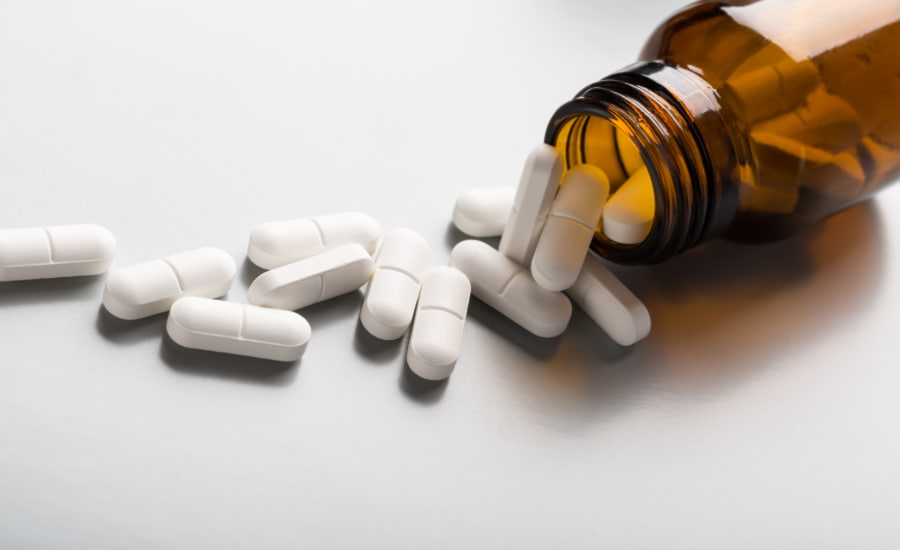
Dr Liotta invented breakthrough HIV drug Emtricitabine.
‘The very first thing we did was we figured out a spectacular way of preparing the compounds – very clean, very efficient,’ he said. ‘And that [meant we could] explore all sorts of different permutations around the series of compounds that others couldn’t easily do, because their methods were so bad for making [them].
‘So, even though we were competing against some very important pharmaceutical companies that had infinitely more money than we had – dozens of really smart people they put on the project – we were able to run circles around them because we had a really efficient methodology and that enabled us to make some compounds.’
The amazing thing is that the very first compound and the third compound the pair came up with led to FDA-approved drugs. It is a fine thing, indeed, when skill and serendipity meet.
‘Chance favours the prepared mind,’ Dr Liotta said, ‘or, as my colleagues say: you work hard to put yourself in a position to get lucky.’
>> Learn more about Dr Liotta’s career path and research from our recent Q&A.
22 September 2022 |
|


 |
|

Health & Wellbeing
From luminescent polymer nanoparticles that improve rural healthcare to compostable plastic packaging, Dr Zachary Hudson and his research group at the University of British Columbia are developing solutions to pressing issues.
For those of us who live in cities, we take easy access to hospitals for granted, but what about those in remote areas? What if there were an easier way to diagnose diseases and improve healthcare for those in secluded rural areas?
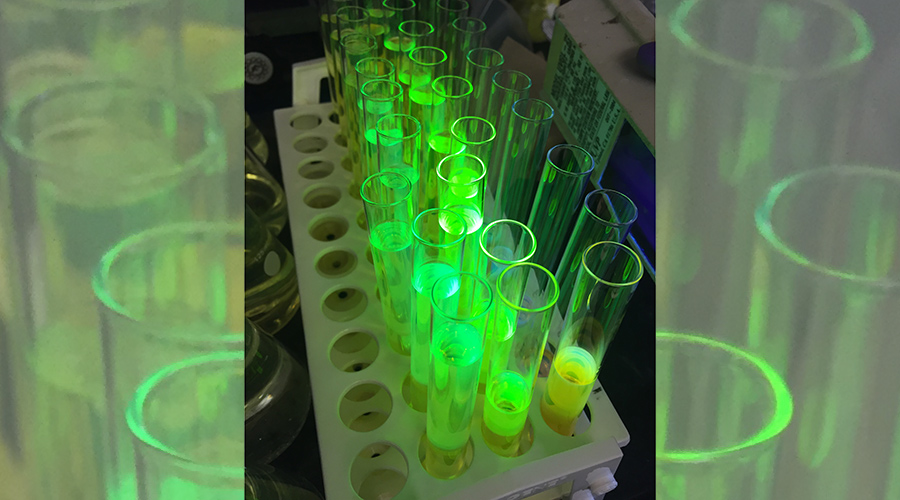
Luminescent dyes used to make fluorescent Pdots.
Well, Dr Zachary Hudson and his group at the University of British Columbia (UBC) in Canada are developing luminescent polymer nanoparticles that could provide portable, low-cost tools for bio-imaging and analysis in rural areas. These nanoparticles are so bright that they can be detected by smartphone, helping clinicians quantify chemical substances of interest such as cancer cells.
Dr Hudson’s work spans other areas too, including working with industry to develop compostable plastics and ongoing research in opto-electronics. His creativity in applied polymer science was recognised recently with the 8th Polymer International-IUPAC award, organised by SCI, the Editorial Board of Polymer International, and IUPAC (International Union of Pure and Applied Chemistry).
We caught up with Zac to ask about these luminous Pdots, compostable plastics, and how it felt to be recognised by his peers.

Dr Zachary Hudson
Tell us about the nanoparticle and remote diagnostic technologies you are developing to boost rural healthcare.
Our group is working with Professor Russ Algar, an analytical chemist at UBC, to develop fluorescent nanoparticles that are bright enough to be detected by a handheld smartphone camera.
The concept is to design nanoparticles that can quantify biological analytes of interest, such as cancer cells or enzymes, and provide a signal that a smartphone can measure. In this way, we hope to create portable, low-cost tools for bioanalysis for use in remote or low-income regions.
Why is the capacity to conduct remote diagnostics so important for those in remote areas?
Coming from Vancouver, I have ready access to sophisticated lab facilities and hospitals that are only a short distance from where I live. This gives me access to some of the world’s most advanced techniques in molecular medicine with relative ease.
For most of the world’s population, however, geography or resources limit their access to these advanced tools that can have a real, positive impact on human health. Expanding access to molecular diagnostic technologies can help more people get the diagnosis they need without a dedicated lab.
How did the ideas for the Pdots come about?
We became interested in Pdots due to Professor Algar’s groundbreaking work using quantum dots for smartphone-based bioanalysis. We learned that by tapping into the versatility of polymer chemistry, we could create polymer nanoparticles, or Pdots, that combined many advanced functions into a single particle.
>> From Covid-19 to the two World Wars, how has adversity shaped innovation? We took a closer look.
How have you worked with other partners to turn these ideas into a reality?
We are currently planning a major initiative with rural health organisations in British Columbia to help move these tools toward practical use. Stay tuned for more info!
You’ve also worked with local industry to reduce the use of single-use plastics. How have you gone about this?
There has been a major push in Canada to reduce the consumption of single-use plastics, and many companies are currently developing new products to respond to this need. Our lab has worked with local industry to formulate and test compostable plastics that can act as substitutes for petroleum-based plastics in consumer packaging.

The Nexe Pod, a fully compostable, plant-based coffee pod created by NEXE Innovations, with Zac as Chief Scientific Officer, received a $1m funding grant from the Canadian government in 2021.
You’ve helped develop compostable materials. How tricky is this from both a material and an environmental perspective?
Compostable plastics are challenging for a few reasons: the demand for them is skyrocketing, so robust supply chains are needed to help companies get away from petroleum feedstocks. The regulatory framework around compostable plastics also varies widely by country, which poses challenges for international commercialisation.
Finally, most machinery for the high-speed manufacturing of plastic packaging is highly optimised for petroleum-based plastics, so new equipment and techniques that are suitable for processing compostable plastics need to be developed alongside the plastics themselves.
>> Do you work in pharmaceutical development? Check out our upcoming events.
What’s next for these innovations, and are you working on anything else interesting?
I've spent most of my career working on light-emitting materials for display technologies and bioimaging, and we’ve recently learned that many of these same materials make useful photocatalysts with applications in the pharmaceutical industry.
We recently partnered with Bristol Myers Squibb to develop all-organic photocatalysts with performance on par with some of the expensive iridium-based catalysts that industry is currently using. I'm looking forward to developing this area further.
What was it like to win the 8th Polymer International-IUPAC award for Creativity in Applied Polymer Science?
It was a great feeling to have our group’s work recognised by the international polymer community. The award lecture at the IUPAC conference also gave us the perfect venue to highlight some of the research directions I’m most excited about in the years ahead.
07 September 2022 |
|
|
Health & Wellbeing
Those with the blood group O reportedly have the lowest likelihood of catching Covid-19, and the new top-up jab should provide relief against sub-variants of the disease.
By now, most of us have been stricken by Covid, but 15% of people in the UK have evaded the virus. According to a testing expert at the London Medical Laboratory, the great escape is down to three factors: blood group, vaccines, and lifestyle.
Having assessed the findings of recent Covid-19 blood type studies, Dr Quinton Fivelman PhD, Chief Scientific Officer at London Medical Laboratory (LML), believes that people with the blood group O are less likely to be infected than those with other blood groups, while those with blood type A are far more likely to contract the virus.
‘There have now been too many studies to ignore which reveal that people have a lower chance of catching the virus, or developing a severe illness, if they have blood group O,’ he said.
Indeed, research from the New England Journal of Medicine had previously found that those with blood type O were 35% less likely to be infected, whereas those with Type A were 45% more vulnerable. A further benefit of type O blood is the reduced risk of heart disease compared to those with type A or B blood.
>> What is the ideal body position to adopt when taking a pill? Wonder no more.
Staged stock images are not thought to increase your chances of contracting Covid-19.
According to the NHS, almost half of the population (48%) has the O blood group; so, clearly, other factors come into play in terms of our susceptibility. Dr Fivelman said: ‘By far the most important factor is the number of antibodies you carry, from inoculations and previous infections, together with your level of overall health and fitness.’
Tackling the sub-variants

So, those who are more careful about visiting crowded places, who eat well, and are fortunate enough not to have an underlying illness have better chances of avoiding Covid-19. According to LML, having been vaccinated also helps, though these benefits have slowly worn off. That is why the new top-up jab with the Omicron variant could provide some relief for those who take it.
‘The new Omicron jab has come none-too-soon, so many people are now suffering repeated Covid infections,’ he added. ‘That’s because the new Omicron BA.4 and BA.5 sub-variants do not produce as high an immune response as the previous strains, so re-infection is more likely to occur.
‘Higher levels of antibodies are important to neutralise the virus, stopping infection and limiting people transmitting the virus to others.’
>> Which herbs could boost your wellbeing? Dr Vivien Rolfe tells us more.
25 August 2022 |
|
|
Careers
In her winning essay in SCI Scotland’s Postgraduate Researcher competition, Rebecca Stevens, Industrial PhD student with GSK and the University of Strathclyde, talks about the potential of PROTACS.
Each year, SCI’s Scotland Regional Group runs the Scotland Postgraduate Researcher Competition to celebrate the work of research students working in scientific research in Scottish universities.
This year, four students produced outstanding essays in which they describe their research projects and the need for them. In the third of this year’s winning essays, Rebecca Stevens discusses her work in developing a multistep synthetic platform for Proteolysis Targeting Chimeras (PROTAC) synthesis and the potential of PROTACS in general.

Pictured above: Rebecca Stevens
A ‘PROTAC-tical’ synthetic approach to new pharmaceutical modalities
PROTACs are a rapidly evolving new drug modality that is currently sparking great excitement within the pharmaceutical and biotechnology industries.
Despite the first PROTAC only being reported in 2001, 12 of these potential drugs have already entered phase I/II clinical trials. In fact, a handful of new biotechnology companies have launched in the last two decades with a primary focus on these molecules. So, what’s so special about them?
Traditional drug discovery relies on optimising small-molecules to inhibit the action of a protein target and subsequently elicit a downstream effect on cellular function. However, many proteins are not tractable to this approach due to their lack of defined binding sites. This is where PROTACs offer a unique opportunity to target traditionally ‘undruggable’ parts of the proteome; instead of inhibiting the protein, PROTACs simply remove it altogether.
PROTACs are heterobifunctional molecules made up of two small-molecule binders attached together via a covalent linker; one end binds to the protein of interest and the other to an E3 ubiquitin ligase.

Rebecca is working on a multistep platform for PROTAC synthesis.
By bringing these two proteins into close proximity, PROTACs exploit the body’s own protein degradation mechanisms to tag and degrade desired proteins of interest in a method known as ‘targeted protein degradation’.
This different mechanism of action offers some revolutionary advantages over small-molecule drugs. Alongside potentially accessing ‘undruggable’ targets, PROTACs can overcome resistance mechanisms from which other drugs suffer, as well as acting in a catalytic manner, ultimately requiring less compound for therapeutic effects and maximising profits.
>> SCI’s Scotland Group connects scientists working in industry and academia throughout Scotland.
Problems with PROTACS
While great in theory, the reality is that with two small-molecule binders and a linker, PROTACs are typically double the size and complexity of normal drugs, so their synthesis is far from simple.
Classic drug discovery programmes often make many bespoke analogues alongside their use of library synthesis, using a design-make test cycle to optimise hits and find a lead molecule. With PROTACs, linear synthetic routes are much longer for bespoke compounds, underlining an even greater need for new PROTAC parallel synthesis platforms.
>> Read Marina Economidou’s winning essay on palladium recovery
Additionally, the design of PROTACs is more challenging as there are three separate parts of the structure to optimise, and small changes can have a large impact on their biological activity. As such, very simple chemistry is used to connect the three parts of the molecule, resulting in limited chemical space for exploration, causing potentially interesting bioactive compounds to be missed.
A platform for PROTAC synthesis
My PhD project seeks to develop a multistep synthetic platform for PROTAC synthesis, using modern chemical transformations such as C(sp2)-C(sp3) cross-couplings and metallaphotoredox chemistry.
Starting from already complex intermediates in the synthetic route, methods for late-stage functionalisation are under development to complete the final synthetic steps. By making elaborate changes at a late stage, a variety of structurally diverse PROTACs can be synthesised from a single building block, offering an economical and sustainable approach to optimisation for the industries involved.
Furthermore, the purification step prior to testing will be eliminated, with crude reaction mixtures taken into cells in an emerging ‘direct-to-biology high-throughput-chemistry’ approach. This removes a key bottleneck associated with hit identification and lead optimisation, delivering biological results in very short turnaround times.
The synthetic methods developed in the project will offer new capabilities for efficient and sustainable synthesis of PROTACs and other related modalities. Increasing the pace of data generation could accelerate the exploration of structure-activity relationships and deployment in large parallel arrays could provide a significant quantity of data to inform new machine learning models.
Ultimately, for industry, this ‘PROTAC-tical’ approach offers a huge opportunity for rapidly progressing PROTAC projects and discovering novel PROTACs with clinical potential.
>> Our Careers for Chemistry Postdocs series explores the different career paths taken by chemistry graduates.
23 August 2022 |
|
|
Health & Wellbeing
What is the best posture to adopt when taking a pill, and why does it help your body to absorb the medicine quicker?
Was Mary Poppins wrong? A spoonful of sugar may help the medicine go down, but does it do so in the most delightful way? Not according to Johns Hopkins University researchers in the US.
They say the body posture you adopt when taking a pill affects how quickly your body absorbs the medicine by up to an hour. It’s all down to the positioning of the stomach relative to where the pill enters it.
The team identified this after creating StomachSim – a model that simulates drug dissolution mechanics in the stomach. The model works by blending physics and biomechanics to mimic what’s going on when our stomachs digest medicine and food.
Standing up, on your back, or by your side?
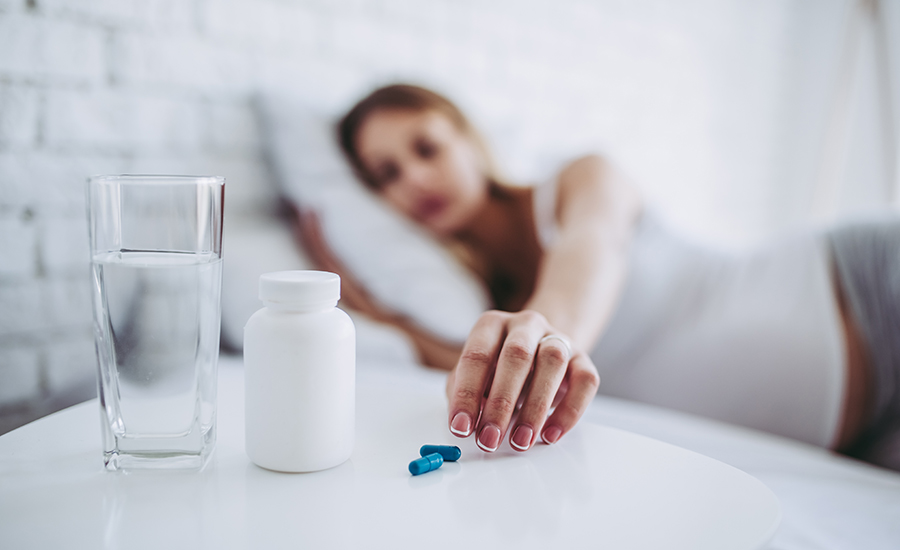
Looks like we’ve got a pro here.
Without further ado, here are the four contenders for taking the pill: standing up, lying down on your right side, lying down on your left side, and swallowing the pill on your back.
>> What’s next in wearables? We looked at a few Bright SCIdeas.
According to the researchers, if you take a pill while lying on your left side, it could take more than 100 minutes for the medicine to dissolve. Lying on your back is next in third, the narrowest of whiskers behind swallowing a pill standing up. This time-honoured method takes about 23 minutes to take effect.
However, by far the most effective method (and, therefore, the most delightful way) is lying on your right side, with dissolution taking a mere 10 minutes. The reason is that it sends pills into the deepest part of the stomach, making it 2.3 times faster to dissolve than the upright posture you’re probably taking to swallow your multi-vits.
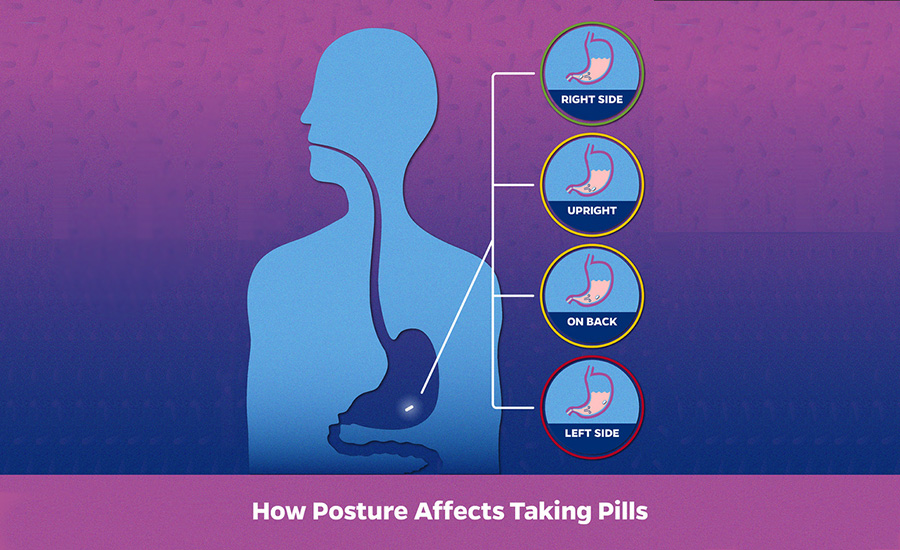
Your posture is key in ensuring your body absorbs medicine quickly. Image: Khamar Hopkins/John Hopkins University.
‘We were very surprised that posture had such an immense effect on the dissolution rate of a pill,’ said senior author Rajat Mittal, a Johns Hopkins engineer. ‘I never thought about whether I was doing it right or wrong but now I’ll definitely think about it every time I take a pill.’
Next week, we will investigate more of the medical approaches espoused by much-loved fictional characters, starting with George’s Marvellous Medicine, before moving onto the witches in Macbeth. No one is safe.
In the meantime, you can read the researchers’ work in Physics of Fluids.
19 August 2022 |
|
|
Careers
In her winning essay in SCI Scotland’s Postgraduate Researcher competition, Marina Economidou, first year PhD Student at GSK/The University of Strathclyde, talks about palladium recovery.
Each year, SCI’s Scotland Regional Group runs the Scotland Postgraduate Researcher Competition to celebrate the work of research students working in scientific research in Scottish universities.
This year, four students produced outstanding essays in which they describe their research projects and the need for them. In the second of this year’s winning essays, Marina Economidou explains the need for palladium recovery and making it more efficient.

Pictured above: Marina Economidou
U-Pd-ating the workflows for metal removal in industrial processes
Palladium-catalysed reactions have great utility in the pharmaceutical industry as they offer an easy way to access important functional motifs in molecules through the formation of carbon-carbon or carbon-hetero-atom bonds.
The superior performance of such reactions over classical methodologies is evident in modern drug syntheses, where Buchwald-Hartwig, Negishi or Suzuki cross-coupling reactions are frequently employed.
However, the demand for efficient methods of palladium recovery runs parallel to the increased use of catalysts in synthesis. The interest in metal extraction can be attributed to several reasons.
Cross-coupling steps are usually situated late in the synthetic route, resulting in metal residues in the final product. In addition to possessing intrinsic toxicity, elemental impurities can have an unfavourable impact on downstream chemistry.Hence, their limit must be below the threshold set by the International Council for Harmonisation of Technical Requirements for Pharmaceuticals for Human Use (ICH).
The need for palladium recovery
However, the importance of palladium recovery does not only arise from the need to meet regulatory criteria. The volatility of palladium supply as a result of geopolitical instabilities has been a focus of attention this year, with Russia producing up to 30% of the global supply and prices reaching an all-time high of £81,179 per kilogramme.
Therefore, aside from the need to remove metals from the product for regulatory reasons, there is a desire to recover metals from waste streams as effectively as possible due to their finite nature and high costs.
The sustainability benefits of recovery for circular use are an additional incentive for an efficient extraction process, as catalysts can be regenerated when metal is returned to suppliers.
The increasing pressure for greener processes and more ambitious sustainability goals – such as GlaxoSmithKline’s environmental sustainability target of net zero impact on climate by 2030 – also contribute to the need for further refinement of working practices.
>> SCI's Scotland Group connects scientists working in industry and academia throughout Scotland.

Palladium has many uses including in catalytic converters, surgical instruments, and dental fillings.
Improving extraction processes
It is essential to have well-controlled and reproducible processes for pharmaceutical production, as redevelopment requires further laboratory work and additional time and resources.
With several industry reports on the inconsistent removal of palladium following catalytic synthetic steps, there seems to be a knowledge gap as to which factors affect the efficiency of extraction and why there can be significant differences between laboratory and plant conditions.
The focus of my PhD is investigating the speciation of palladium in solution in the presence of pharmaceutically relevant molecules, to offer an insight into the efficiency of metal extraction at the end of processes.
By understanding the oxidation state and coordinative saturation of the palladium species formed in the presence of different ligands, a better relationship could be established between the observed performance of metal extraction processes under inert and non-inert conditions.
With the wide breadth of ligands and extractants that are now commercially available for cross-coupling reactions, my ambition is to generate a workflow for smart condition selection that not only achieves selective metal recovery, but is scalable and can be transferred to plant with consistent performance.
The cost and preciousness of metal catalysts are both factors that prohibit their one-time use in processes. Understanding how palladium can be extracted and recovered in an efficient manner will not only deliver reliable processes that meet the demands of the market in the production of goods, it will also lead to economic and environmental benefits.
>> Read Angus McLuskie’s winning essay on replacing toxic feedstocks.
>> Our Careers for Chemistry Postdocs series explores the different career paths taken by chemistry graduates.
12 August 2022 |
|
|
Science & Innovation
From the Black Death to the Covid-19 pandemic, great adversity has also led to great advances. So, which inventions have emerged from times of hardship? Eoin Redahan finds out.
‘World events shape innovations. The World Wars shaped innovation, and the pandemic has shaped innovation,’ said Paul Booth OBE, in his outgoing speech as SCI President.

‘It is possible to accelerate innovation – we’ve demonstrated that.’ Paul Booth OBE, outgoing SCI President at SCI’s AGM, July 2022. Image: SCI/Andrew Lunn
The pandemic taught us a lot about ourselves. It taught me that eating my body weight in sweets was a great way to destroy my teeth, and it brought home to many the futility of the five-day commute. On a more abstract level, it taught governments and policy makers just how much can be achieved in a short space of time when necessity demands it. The vaccines that swam around our veins bore testament to this.
The pandemic has shaped innovation. Nowhere is this more apparent than in medicine. It isn’t the first awful event to provide a hotbed for change, and it won’t be the last. ‘It is possible to accelerate innovation,’ Paul said. ‘We’ve demonstrated that.’
Black Death and the bird mask
As bad as the Covid-19 pandemic was, the Black Death makes it look very tame indeed. It is estimated that the Plague, which was its worst from 1346-53, took up to 200 million lives in Eurasia and North Africa.
Amid the carnage, it is also said to have given us a system to mitigate infectious diseases with which we are familiar, including isolation periods. According to Britannica, ‘public officials created a system of sanitary control to combat contagious diseases, using observation stations, isolation hospitals, and disinfection procedures.’

The terrifying doctor will see you now.
The Plague also said to have inspired greater experimentation in pharmacology. In a sense, it also helped democratise medicine, with medical textbooks shifting from Latin to the vernacular. As John Lienhard, at the University of Houston, noted: ‘Both medical and religious practice now shifted toward the laity.’
But perhaps the most memorable advance from this time was the strange, beak-like masks worn by some doctors during the Plague. These masks were a crude (and frankly terrifying) way to protect the doctors from the disease in the air. The doctors even filled these masks with herbs in an effort to protect against pathogens.
Byproducts of the war effort
Of course, wars have also led to military innovation at breakneck speed. During the American Civil War, the Minié ball was created. It spun faster than other bullets and could travel half a mile – unlike pre-Civil War bullets, which went a mere 300 feet.

Officers of a monitor-class ironclad warship, photographed during the American Civil War.
This war also led to the ironclad warship, with plates riveted together to protect against cannonballs. However, it should also be noted that many of the most interesting war-borne inventions have ended up having little or nothing to do with military application.

The ‘cotton-like-texture’ of cellucotton led to its brand name Kotex. According to this 1920 advertisement, this ‘wardrobe essential of Her Royal Daintiness’ was available at any shop that catered to women. Different times.
World War I gave us the blood bank, the Kleenex, the trench coat, and the sanitary pad. The sanitary pad has peculiar origins. In 1914, the war resulted in cotton shortages and substitutes were needed. Kimberly-Clark executives duly discovered a processed wood pulp material that was five times more absorbent than cotton, and cheaper to make. The material was used for bandages, and Red Cross nurses realised that this material could be used as makeshift sanitary pads. The company then developed a sanitary pad – branded Kotex – made from cellucotton and a fine gauze.
Synthetic rubber and Super Glue
Material substitution also led to ground-breaking innovation in World War II. According to the National WWII Museum New Orleans, in 1942 Japan cut off the US supply of natural rubber. With the demand for rubber high, US President Franklin Roosevelt invested $700m to make synthetic rubber from petrochemical byproducts at 51 new plants. By 1944, these synthetic rubber plants were producing 800,000 tonnes of the material a year.
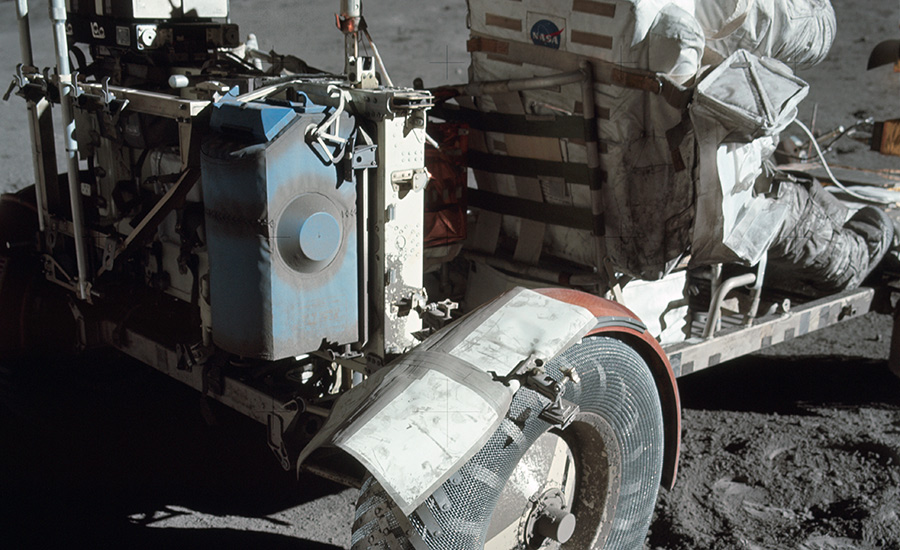
Duct tape was developed by Johnson & Johnson during the Second World War, and by 1972 the ubiquitous tape had reached the moon. This makeshift wheel fender repair helped the Apollo 17 mission’s lunar rover to keep lunar dust at bay.
We use many other products invented during the Second World War, including duct tape, which was developed by Johnson & Johnson to keep moisture out of ammunition cases. A fellow called Harry Coover discovered cyanoacrylates – the active ingredient in Super Glue – while he tried to create a clear plastic for gun sights.
And the next time you reheat your dinner, spare a thought for Percy Spencer, the US physicist who noticed the candy bar melting in his pocket when he stood next to an active radar set. This moment of epiphany led to an invention you might know: the humble microwave.
Accelerating penicillin and vaccine rollout
Just as these trying times lead to extraordinary leaps in technology, they also lead to the large-scale rollout of said discoveries. A prime example of this is penicillin. It was first used to treat an eye infection in 1930, but it was only with the horrific fall-out of war that experiments with deep tank fermentation led to its widespread production.
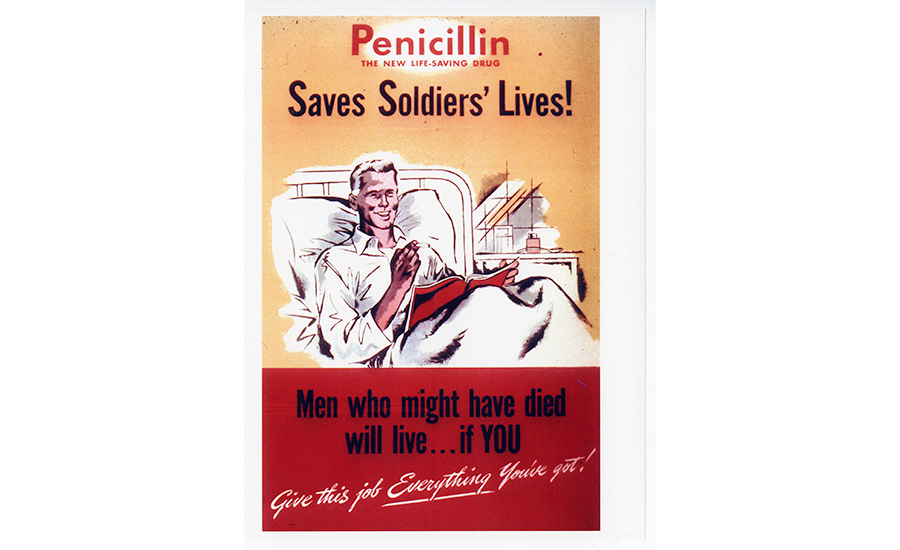
A soldier recuperates in hospital thanks to penicillin in this Second World War poster. Note the not-quite-so-life-saving hospital bed cigarette. Different times, again.
The Penicillin Production through Deep-tank Fermentation paper in ACS notes that: ‘During World War II, the governments of the United States and the UK approached the largest US chemical and pharmaceutical companies to enlist them in the race to mass produce penicillin […] One of these companies, Pfizer, succeeded in producing large quantities of penicillin using deep-tank fermentation.’
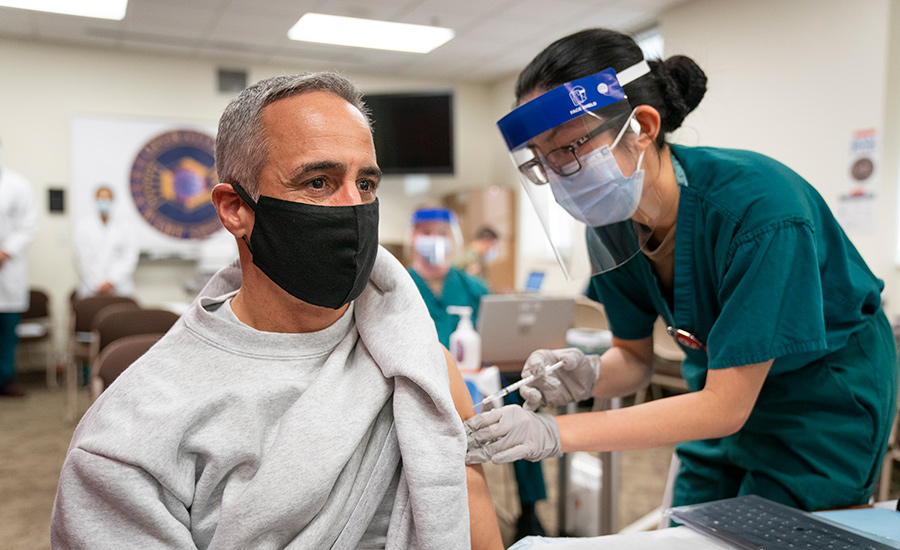
The speed of development and global-scale rollout of vaccines against Covid-19 was unprecedented. Science, business and governments worked together to get the world moving again.
And, as we all know, Pfizer was back at it again during the Covid-19 pandemic. Along with AstraZeneca, Moderna, and essentially the entire pharmaceutical industry, it created vaccines that saved countless lives. Governments and policymakers were also reminded just how quickly life-saving technologies can be pushed through when needed.
But the legacy of Covid-19 treatment will stretch further, be it in nanotechnology, artificial intelligence, or other fields – who knows what else will come from it?
As Paul Booth said: ‘It is possible to accelerate innovation. We’ve demonstrated that.’
25 July 2022 |
|
|
Sustainability & Environment
By rethinking the way our products are designed and changing the way we use plastics, we can tackle the blight of marine litter and the general accumulation of plastic waste. But, as Professor Richard Thompson said in our latest SCItalk, systemic issues and historical excesses have made this no easy task.
Contrary to popular perception, plastic is not the villain. When it comes to marine littering, we are the ogres, with our single-use bottles bobbing in the oceans and the detritus of our everyday lives littering the coastline.
We are the reason why 700 species are known to encounter plastic debris in the environment. It is because of us that plastics have beaten us to the bottom of the deepest oceans and glint in the sun near the summit of Mt. Everest.
According to Richard Thompson, of the Marine Institute School of Biological and Marine Sciences at the University of Plymouth: ‘Plastic debris is everywhere. Its quantity in the ocean is likely to triple between 2015 and 2025.’
As Professor Thompson pointed out all of these facts to his audience in our latest SCItalk on 23 March, he outlined potential solutions. However, there is no ignoring the depth of the issues at hand when it comes to the litter in our seas.
The problems
1 - The weight of history
Society has gradually woken up to the menace of discarded plastics and, laterally, to the threat of microplastics and nanoplastics. The problem is that we left the barn door open decades ago. So, all of those plastic microbeads from shower gels, fibres from clothing, and tyre wear particles polluted our seas for many years before it came to public and scientific attention.
Professor Thompson said that 300 papers were published globally on microplastics in the last academic year alone, but research in the area was relatively thin on the ground before Thompson and his colleagues released their pioneering study on microplastics in Science in 2004.
2 - Bad habits
‘The business model for the use of plastics hasn’t really changed since the 1950s,’ Professor Thompson said. According to him, we have had 60 years of behavioural training to just throw products away, and our waterways reflect this attitude.
According to Professor Thompson, 50% of shoreline litter items recorded during the 2010s originated from single-use applications. Without a sea change in our attitude towards single-use items, this problem will persist.
>> Why are we ignoring climate change and what can we do about it? Read more on our blog post.
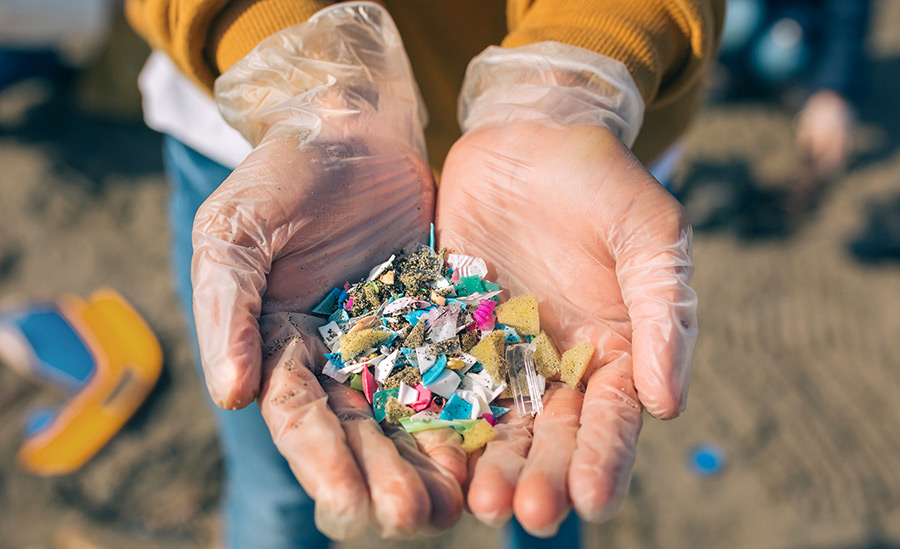
Microplastics have been subject to great scrutiny, but much of the research is quite recent.
3 - We need to talk about nanoplastics
The problems with larger plastics and even microplastics are now well documented. The worrying thing, according to Thompson, is that there are knowledge gaps when it comes to nanoplastics in the natural environment. What are the effects of nanoplastic ingestion? What are the effects of human health? Time will tell, but Thompson was keen to ask if we really need that information before we take action.
He was more sanguine about the effects of microplastics. ‘The concentration of microplastics is probably not yet causing widespread ecological harm,’ he said, ‘but if we don’t take measures, we’ll pass into widespread ecological harm within the next 50-100 years.’
The solutions
It seems counterintuitive to think of petrochemical plastics as a sustainable solution; and yet, despite the environmental problems posed by their durability, they do have a role to play in a greener approach.
‘If used responsibly, plastics can reduce our footprint on the planet,’ Thompson noted. Indeed, the lightweight plastic parts in our cars and in aviation can actually help reduce carbon emissions. But despite their merits, how do we keep plastic litter from our seas?
1 - Design for end of life… and a new one
To illustrate a flaw in the way we design plastic products, Professor Thompson gave the example of an orange coloured drinks bottle. While the bright colour may help sell juice drinks, there is an issue with recycling these coloured plastics because their value as a recyclate is lower. Clear plastics, on the other hand, are much more viable to recycle.
He argues that many products aren’t being designed with the whole lifecycle in mind. ‘We’re still failing to get to grips with linking design to end of life,’ he said, before highlighting the importance of communicating how products should be disposed of right from the design stage.
Basically, our products should be designed with end of life in mind. ‘If we haven’t even designed a plastic bottle properly,’ he lamented, ‘what hope do we have with something that’s more complicated?’
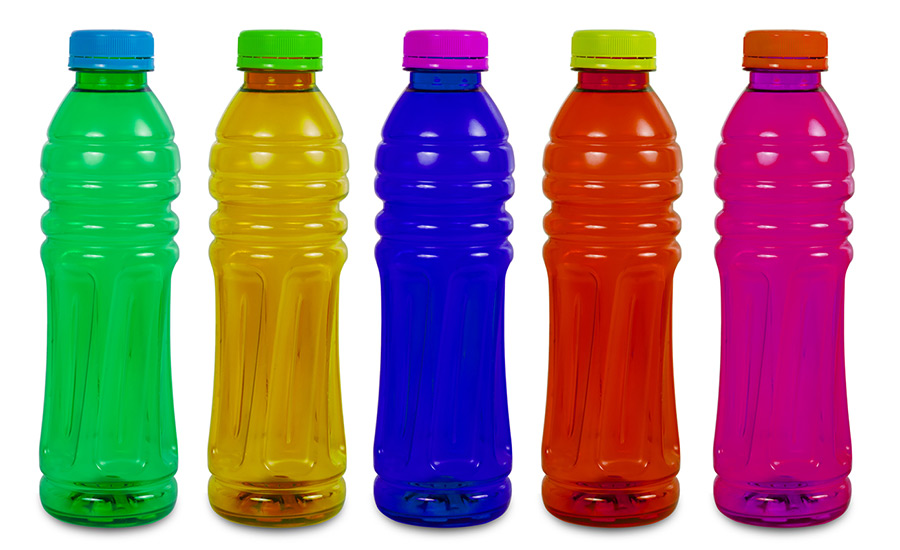
Those brightly coloured plastic bottles look nice and fancy, but they can be challenging to recycle in a circular economy.
2 - Ever recycle? Ever fail? Recycle again. Recycle better
Professor Thompson argued that better practices are needed to help divert materials away from our seas (and it should be noted that there are other types of discarded materials to be found there). If we recycle greater quantities of end of life plastic products and bring them into a circular economy, he said, ‘we’d decouple ourselves from oil and gas as the carbon source for new production because the carbon source we use would be the plastic waste’.
He said more could also be done with labelling so that customers know whether, for example, a product is compostable and which waste stream it needs to be placed in to achieve that. He also noted that addressing our single-use culture would be a good place to start if we want to change the business model of linear use.
3 - Broaden the discussion and pull those policy levers
The good news is that there is an appetite for change. ‘Ten years or so ago there was no consensus that there was a problem,’ Thompson noted. ‘I would argue that this has changed.’ However, he also feels that it is essential to gather reliable, independent evidence to inform interventions, rather than espousing solutions that could make things worse.
‘We need to gather that evidence from different disciplines,’ he said. ‘We need to have at the table product designers and couple them with the waste managers. We need to have economists at the table. We also need to bring in social scientists to look at behaviour. We’ve got to think about this in the round.’
He also felt that policy measures – such as mandating recycled content – could be a good option, along with better design and disposal.
The tools we need to tackle plastic pollution are already at our disposal. We just need to act more responsibly – which, unfortunately, has been part of the problem all along.
As Professor Thompson said: ‘It’s not the plastics per se that are the problem – it’s the way we’ve chosen to use them.’
>> For more interesting SCI talks like Professor Thompson’s, check out our YouTube channel.
>> Find out more about the work of Professor Thompson and his colleagues here: https://www.plymouth.ac.uk/research/marine-litter.
21 April 2022 |
|
|
Health & Wellbeing
We caught a tantalising glimpse of the next generation wearable technology at this year’s Bright SCIdea challenge final.
When we look at our FitBits or Apple Watches, we wonder what they could possibly monitor next. We know the fluctuations of our heartbeat, how a few glasses of wine affect our quality of sleep, and the calories burnt during that run in the park. But what’s next?
If the amazing wearable devices pitched by just three of our Bright SCIdea finalists are anything to go by, then we can look forward to not just next generation health monitoring but possible in-situ treatment too.
Measuring stress and managing diabetes
In recent times, medics have learnt far more about stress and its effect on our health. Indeed, stress was the focus of Happy BioPatch (from Oxford University and Manchester University) technology. The second place team has incorporated an IP-protected enzyme within a patch that measures your stress levels (by detecting the levels of cortisol in your sweat) throughout the day.
This information migrates from body to phone and notifies you if your stress levels are too high. One of many exciting aspects of this technology is that it could be used by physicians to check if patients need treatment for depression and prevent the serious consequences of stress. As one of the judges said, ‘I like it because it’s preventative.’
From mental health to physical health, two of the other finalists use wearable devices to address maladies in in-situ. BioTech Inov, from the University of Coimbra in Portugal, has developed plans for a subcutaneous biomedical device that tracks the blood sugar levels in diabetes patients. This technology would enable the wearer to track their blood sugar levels and let them know if trouble is lurking.

The latest smart watches track your body temperature, sleep quality, and can even detect electrodermal activity on your skin to gauge stress levels. | Editorial image credit: Kanut Photo / Shutterstock
Releasing heat and magnetic fields
Another intriguing development was the in-device treatment developed by the Hatton Cross team (comprising students from the University of Warwick, Imperial College London and Queen Mary University of London). The team is developing wearable technology that can detect wrist pain from sport, or the types of repetitive stress injuries arising from typing or writing too much.
One of the most fascinating aspects of the technology is the potential for in-device treatment. On the preventative side, the device could use vibration to alert users that their wrists are under strain. They also mentioned using heat from the device, or the release of a 0.05 Tesla magnetic field, to relax the muscles.
Another really insightful comment on the technology came from one of the judges. Dr Sarah Skerratt suggested that this type of technology - which is subtly attuned to the movements of the hand and wrist - could theoretically be used in the early diagnosis of Parkinson’s disease or Alzheimer’s disease. That is not to say there aren’t regulatory issues with developing wearable technologies for medical purposes, as the judges pointed out, but the potential of such devices is huge.
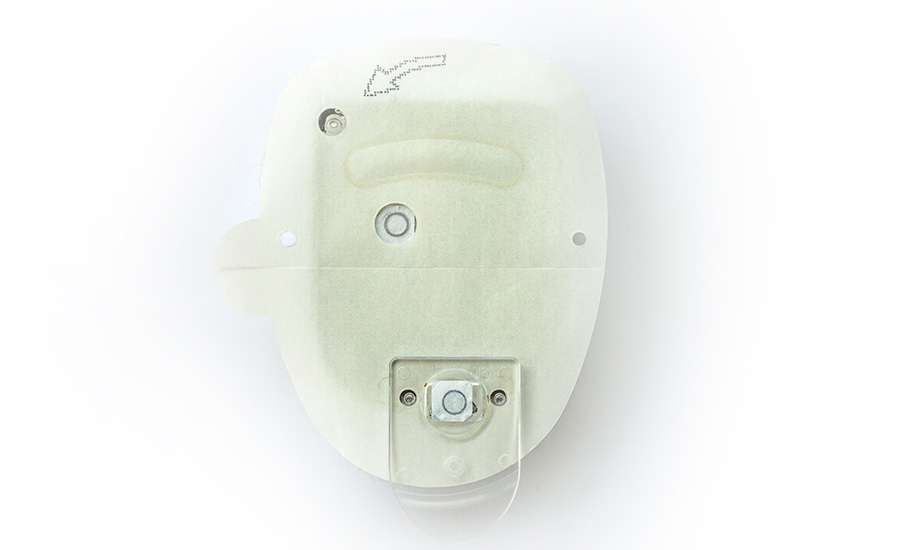
Wearable devices could be used to help diabetes sufferers, such as this Insulin Management System used by those with type 1 diabetes. | Editorial image credit: Maria Wan / Shutterstock
The staggering thing is that the technologies pitched by the Bright SCIdea finalists are just three of the myriad innovations being developed around the world at the moment.
Thirty years ago, few of us could have imagined that we would have a personal computer, music system, TV, watch, video, phone, camera, and games console all encapsulated within a single box that fits in our pockets. In 30 years’ time, we will scarcely be able to believe the health capabilities of the devices worn on our wrists and bodies.
Perhaps you will have heard of them first during the Bright SCIdea challenge?
22 March 2022 |
|
|
Agrifood
How do flowers use fragrance to attract pollinators, and how do pollution and climate change hamper pollination? Professor Geoff Dixon tells us more.
‘Fragrance is the music of flowers’, said Eleanour Sophy Sinclair Rohde, an eminent mid 20th century horticulturist. But they are much more than that. Scents have fundamental biological purposes. Evolution has refined them as means for attracting pollinators and perpetuating the particular plant species emitting these scents.
There are complex biological networks connecting the scent producers and attracted pollinators within the prevailing environment. Plants flowering early in the year are generalist attractors. By late spring and early summer, scents attract more specialist pollinators as shown by studies of alpines growing in the USA Rocky Mountains. This is because there is a bigger diversity of pollinator activity as seasons advance. Scents are mixtures of volatile organic compounds with a prevalence of monoterpenes.
Environmental factors will affect scent emission. Natural drought, for example, changes flower development and reduces the volumes and intensity of scent production. The effectiveness of pollinating insects, such as bees, moths, hoverflies and butterflies is reduced by aerial pollution.

Pheasant’s eye daffodils (Narcissus recurvus).
Studies showed there were 70% fewer pollinators in fields affected by diesel fumes, resulting in lower seed production. Pollinating insects do not find the flowers because nitrogenous oxides and ozone change the composition of scent molecules.
Extensive studies of changes in flowering dates show that climate change can severely damage scent–pollinator ecologies. Over the past 30 years, blooming of spring flowers has advanced by at least four weeks. Earlier flowering disrupts the evolved natural synchrony between scent emitters and insect activity and their breeding cycles. In turn that breaks the reproductive cycles of early flowering wild herbs, shrubs and trees, eventually leading to their extinction.

The lilac bush, known for its evocative scent.
Heaven scent
Scents provide powerful mental and physical benefits for humankind. Pleasures are particularly valuable for those with disabilities especially those with impaired vision. Even modest gardens can provide scented pleasures.
Bulbs such as Pheasant’s eye daffodils (Narcissus recurvus) (illustration no 1), which flower in mid to late-spring, and lilacs (illustration no 2) are very rewarding scent sources.
Sweetly perfumed annuals such as mignonette, night-scented stocks, candytuft and sweet peas (illustration no 3) are easily grown from garden centre modules, providing pleasures until the first frosts.

Sweet peas are easily grown from garden centre modules.
Roses are, of course, the doyenne of garden scents. Currently, Harlow Carr’s scented garden, near Harrogate, highlights the cultivars Gertrude Jekyll, Lady Emma Hamilton and Saint Cecilia as particularly effective sources of perfume. For larger gardens, lime or linden trees (Tilia spp) form profuse greenish-white blossoms in mid-season, laden with scents that bees adore.
Written by Professor Geoff Dixon, author of Garden practices and their science, published by Routledge 2019.
10 March 2022 |
|
|
Health & Wellbeing
The clichés we use become so downtrodden that we often say them without thinking. How many times, for example, have you said you went with your gut on a certain decision?
As with many of these aphorisms, there appears to be genuine wisdom behind it. Scientists are learning all the time about the links between our guts and our brains, and recent findings from a California Institute of Technology-led (Caltech) study have added to our understanding of what’s going on behind our belly buttons.
This research contends that a particular molecule, produced by our gut bacteria, has contributed to anxious behaviour in mice. The Caltech researchers say that a small-molecule metabolite that lives in the mouse’s gut can travel up to the brain and alter the function of its cells. This adds further grist to the belief that there is a link between our microbiome, brain function, and mood.
The researchers behind the Nature paper say previous studies found that people with certain neurological conditions have different gut bacteria communities. Furthermore, studies in mice revealed that manipulating these communities can alter neurological states.
>> Curious about which herbs could boost your wellbeing and how they work in your body? Then read our recent blog on this topic.
Their study investigated the bacterial metabolite 4-ethylphenyl sulphate (4EPS) that is produced in the intestines of humans and mice and circulates throughout the body. In particular, they focused on the effect of 4EPS on mouse anxiety. For the sake of the study, mouse anxiety measured the creature’s behaviour in a new space - whether it hid in a new space as if from a predator or whether it was willing to sniff around and explore it.
The researchers compared two groups of lab mice: those colonised with pairs of bacteria that were genetically engineered to produce 4EPS, and a second group that was colonised with similar bacteria that couldn’t produce 4EPS. They then observed the rodents’ behaviour after being introduced to a new area.

Some mice become anxious when introduced to new spaces, and this is reflected both in the gut and the brain.
The results were very interesting indeed. The researchers observed that the group of mice with 4EPS spent far less time exploring this new place and more time hiding compared to the second group of non-4EPS mice. They also found that brain regions associated with fear and anxiety were more activated within this first group.
>> Interested in drug discovery? Why not attend our upcoming event at the Francis Crick Institute, London, UK.
When the mice were treated with a drug that could overpower the negative effects of 4EPS, their behaviour became less anxious. A similar study in Nature Medicine also found that mice were less anxious when treated with an oral drug that soaked up and removed 4EPS from their bodies.

The Caltech-led research could inform our understanding of anxiety and mood conditions.
‘It’s an exciting proof-of-concept finding that a specific microbial metabolite alters the activity of brain cells and complex behaviours in mice, but how this is happening remains unknown,’ says researcher Sarkis Mazmanian, in whose laboratory much of the research took place.
‘The basic framework for brain function includes integration of sensory and molecular cues from the periphery and even the environment. What we show here is similar in principle but with the discovery that the neuroactive molecule is of microbial origin. I believe this work has implications for human anxiety or other mood conditions.’
So, our predecessors were right: there’s a lot more to those gut feelings than you think.
>> Read the Nature paper on the Nature magazine website.
24 February 2022 |
|
|
Agrifood
The plant-based meat alternative market is growing rapidly, and cell-cultured meats could be coming soon to your dinner plate once they receive regulatory approval. Gavin Dundas, Patent Attorney at Reddie & Grose, provides his expert perspective on the state of the meat alternative market.
Which is receiving more emphasis based on patent activity: lab-grown meat or plant-based meat alternatives?
Comparing cultivated meat to plant-based meat is a bit like comparing apples and oranges.
Plant-based meat is here - it’s in shops, and it’s in growing numbers of restaurants and fast-food outlets. Even McDonald’s – arguably the world’s most well-known hamburger outlet – released its first plant-based burger in the UK on 13 October 2021: the aptly-named McPlant. The McPlant has been accredited as vegan by the Vegetarian Society, and includes vegan sauce, vegan cheese and a plant-based burger co-developed with Beyond Meat.
Cell-cultured meat is a very different prospect, as cellular agriculture is more high-tech, so companies entering that sector require a higher degree of specialised technical expertise. Companies delving into cultivated meat also require a fair bit of funding, as cultivated meat has not been approved for sale in any country other than Singapore, so it is not yet possible to sell their products to consumers.
The reality at the moment is that plant-based meat alternatives have a huge head-start in the marketplace, while cultivated meat is not yet on sale in most countries. So, for most new companies looking to make money in the alternative protein market, plant-based products are likely to be the easier way to start.
On the other hand, this means that the plant-based meat market is more crowded already, while cultivated meat companies are investing in the hope of getting a bigger share of that market once it matures.
In which food types have you seen a particular surge in patent applications, for example plant-based meat alternatives or lab-grown meat?
Based on searches using patent classification codes commonly used for plant-based meats and lab-grown meat (known as ‘cell-cultured meat’ or ‘cultivated meat’), it appears that there are significantly more patent applications in the field of plant-based meats, but that patent filings relating to cultivated meat are growing more quickly.
Of all the patent publications relating to plant-based meats, 15.2% were published since the start of 2020. Of the patent publications relating to cultivated meats, 27.6% were published since the start of 2020.
This outcome is probably not surprising. Plant-based meats have been around much longer and are now widely established in the market, so many more companies have had time and opportunity to file patent applications for innovations in this area. Cultivated meats are at an earlier stage in their development, but with a large number of new companies having been formed in this area in the last few years, it is not surprising that this has resulted in a high growth rate of patent applications as cultivated meat gets closer to commercial reality.

Beyond Meat’s plant-based meat substitutes have reached the mainstream. | Jonathan Weiss/Shutterstock
How much movement has there been on the equipment and other innovations that will facilitate large-scale meal alternative manufacturing?
There is a huge difference between small-scale production of cultivated meat in a laboratory, and the large-scale manufacturing that would be needed to supply supermarkets and restaurants throughout whole countries and - eventually - the whole world.
Growing meat using cellular agriculture involves the use of animal cell lines to grow animal products in bioreactors, where the cells are immersed in a growth medium that feeds nutrients to the cells as they develop. Over the last decade there have been huge advances in these processes, but as demand for cultivated meat grows there will definitely be continued innovation to improve efficiency and scale-up manufacturing capacity.
Commercial growth medium is currently costly, so the development of more cost-effective growth media is likely to be an area of much research. Another ongoing challenge is the development of high-quality cell lines and scaffold materials that are suitable for high-quality, large-scale production.
Bioreactor design is also expected to be a big area of innovation - up until now, bench-top bioreactors have in most cases been sufficient to meet the demands of cultivated meat R&D, but as demand increases bigger and better bioreactors will be needed. A particular challenge will be to design bioreactors capable of growing thick tissue layers on a commercially viable scale.
While there is scope for innovation in all of these areas, some companies are already ready to manufacture their cultivated meat products on a large scale. Future Meat Technologies, for example, opened its first industrial cultivated meat production facility in June 2021 in Rehovot, Israel - that facility is reportedly capable of producing 500kg of cultivated meat products every day. In November 2021, Upside Foods opened its first large-scale cultivated meat production plant in Emeryville, California, with the capacity to produce 22,680kg of cultured meat annually.
At the moment, however, a lack of regulatory approval is holding back cultivated meat production. While there are a number of companies that apparently have products ready for market, many will be unwilling to plough huge amounts of money into large-scale manufacturing facilities until they have regulatory approval that lets them actually sell their products.
Thinking of filing a chemistry patent in 2022? Here’s what you need to know.
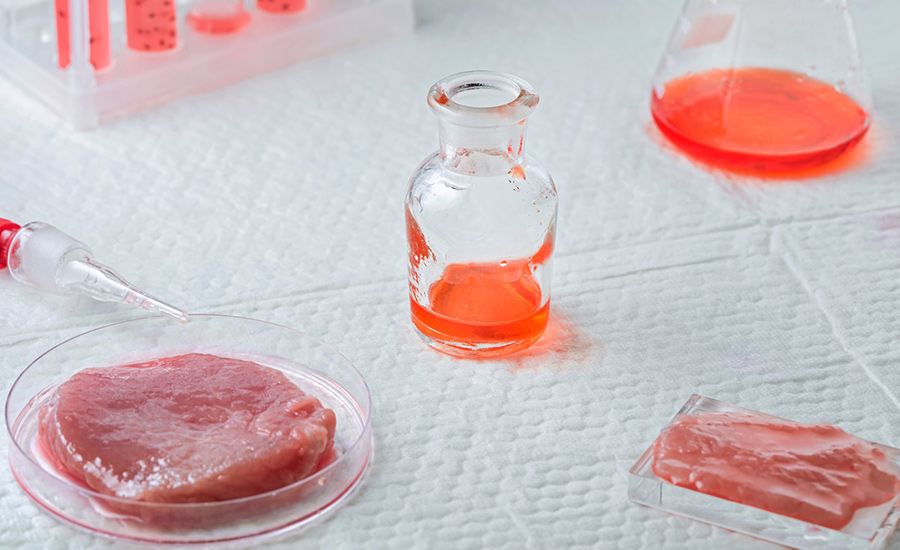
The UK has cutting-edge companies in the cultivated meat field.
Have any innovations or areas of innovation struck you as particularly exciting? If so, could you tell us more about them?
I am a meat-eater trying to cut down on my consumption of meat, due to a mixture of environmental and ethical motivations. So, as a consumer I’ve been very excited to see the arrival of plant-based meat into the mainstream.
I am particularly excited to try cultivated meat once it is approved for sale. Not long ago ‘lab-grown’ meat seemed like science-fiction, so to get to a point where you can go out and buy it will be incredible. So many people are unwilling to cut down on meat because they like the taste, and because their favourite meals are meat-based, so cultivated meat might hopefully give that same experience with fewer of the drawbacks of animal meat.
I am also excited to see the diversity of cultivated meat products. Cultivated meat chicken nuggets and beef burgers are the products that spring to mind when cell-cultured meat is mentioned, but there are companies out there developing cultivated bacon, pork belly, salmon and tuna, to name a few.
What are the chemistry challenges for those creating plant-based meat alternatives? Find out here.
Given what you know about the patent landscape, where do you think the meat alternative industry is heading, and at what sort of pace do you foresee significant change?
I think the meat alternative industry is only going to continue to grow, as concern over the environmental impact of our eating habits is growing, and the quality and availability of meat alternatives is getting better.
The plant-based meat industry is already doing well, and I expect it to continue on its upward trajectory. I expect companies in this field to continue to file patent applications for their innovations, and eventually we might see some of those patents being enforced to safeguard valuable market shares for the patent owners.
Cultivated meat is the sector that seems to be poised for the most significant change. At the moment, the lack of regulatory approval seems to be the thing holding it back, but if that hurdle is removed there are UK companies aiming to get cultivated meats into shops by 2023. The UK is lucky enough to be home to a number of cutting-edge companies in the field, and a recent report by Oxford Economics researchers forecast that cultivated meat could be worth £2.1 billion to the UK economy by 2030.
The idea of cultivated meat is unlikely to appeal to everyone, so I imagine that it will start out as something of a novelty, but I’d expect to see the availability and range of cultivated meat products grow significantly over the next decade.
Edited by Eoin Redahan. You can read more of his work here.
27 January 2022 |
|
|